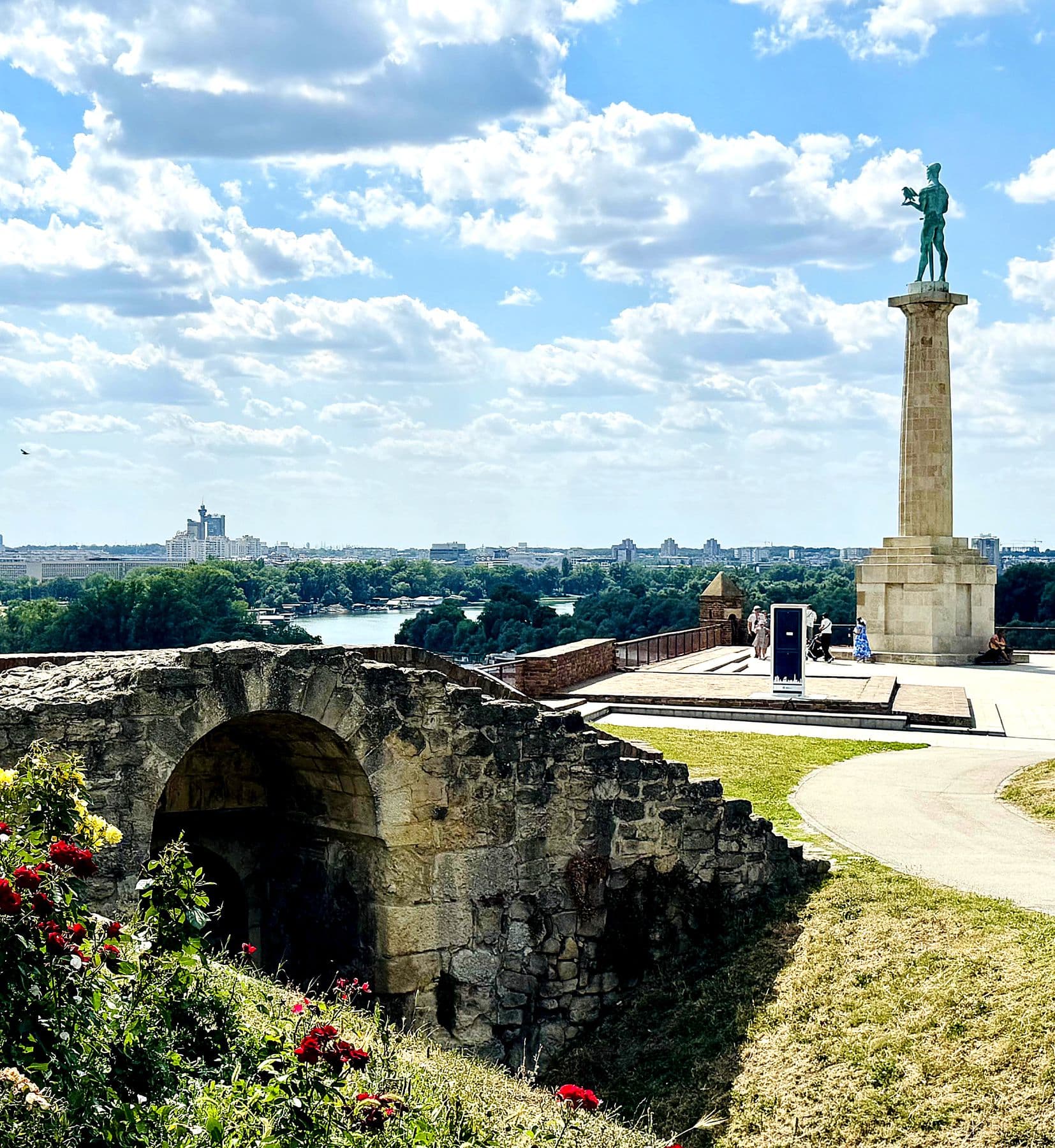
Belgrade
At the confluence of the Sava and Danube, Belgrade eats through its kafanas, bakeries, grill counters, and new-wave bistros: smoky roštilj, flaky burek, ajvar and kajmak, plus a lively modern scene built around local ingredients, specialty coffee, and Serbian wine.
What to Eat in Belgrade
19 iconic foods and the best places to find them
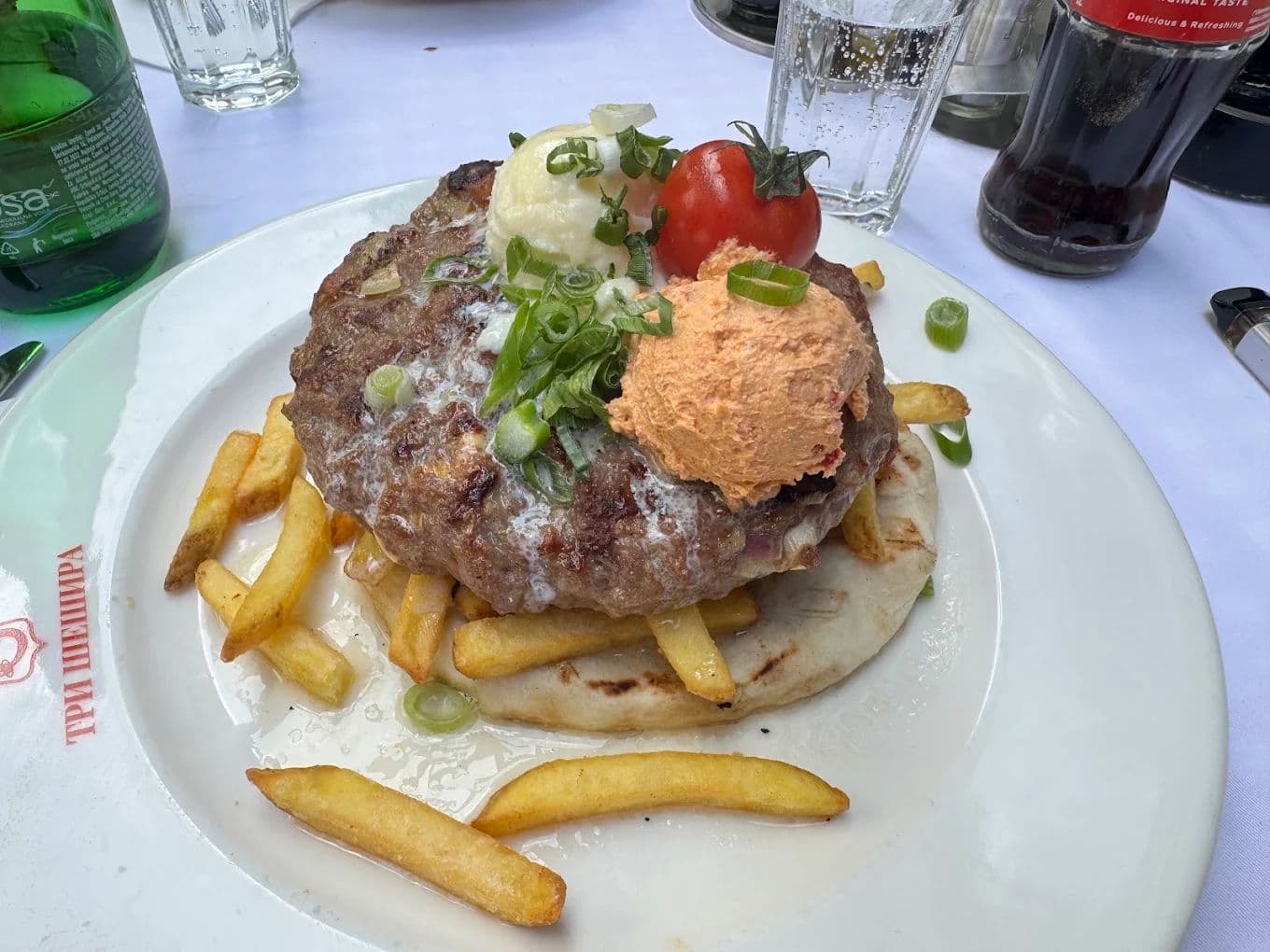
Pljeskavica
TraditionalSerbia's answer to the burger is a seasoned, hand-formed meat patty grilled over charcoal and tucked into soft lepinja with onions. Ask for kajmak or ajvar for the full Belgrade roštilj experience.
The Leskovac-style version is famously spiced, while a Šar pljeskavica can be stuffed with melting cheese.
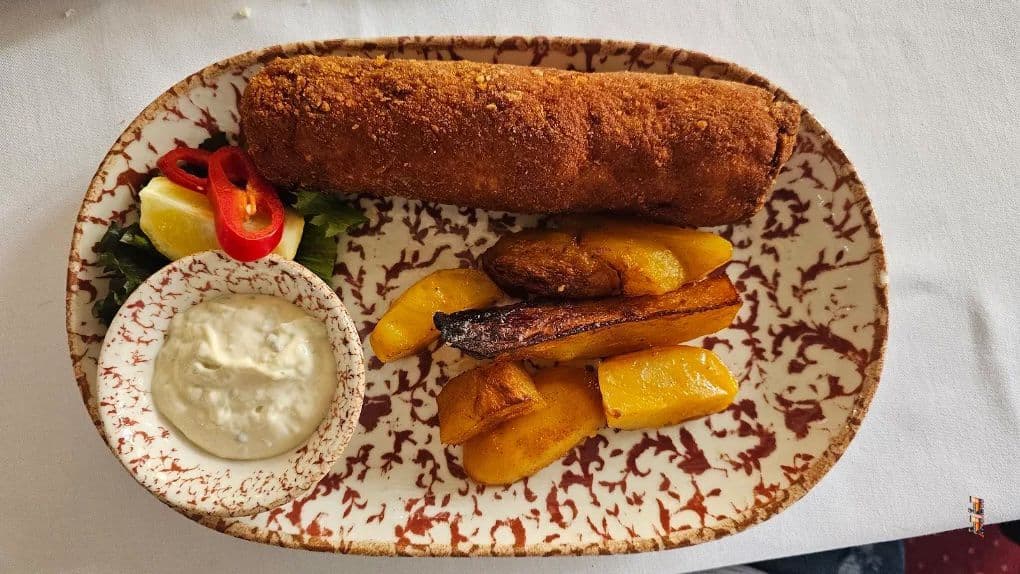
Karađorđeva Šnicla
TraditionalA rolled, breaded cutlet filled with kajmak, fried until crisp and served with potatoes or vegetables. The playful nickname 'the bride's dream' makes sense once the creamy center appears at the table.
The dish was created in Belgrade in the 1950s and is named after Serbian prince and revolutionary Karađorđe.
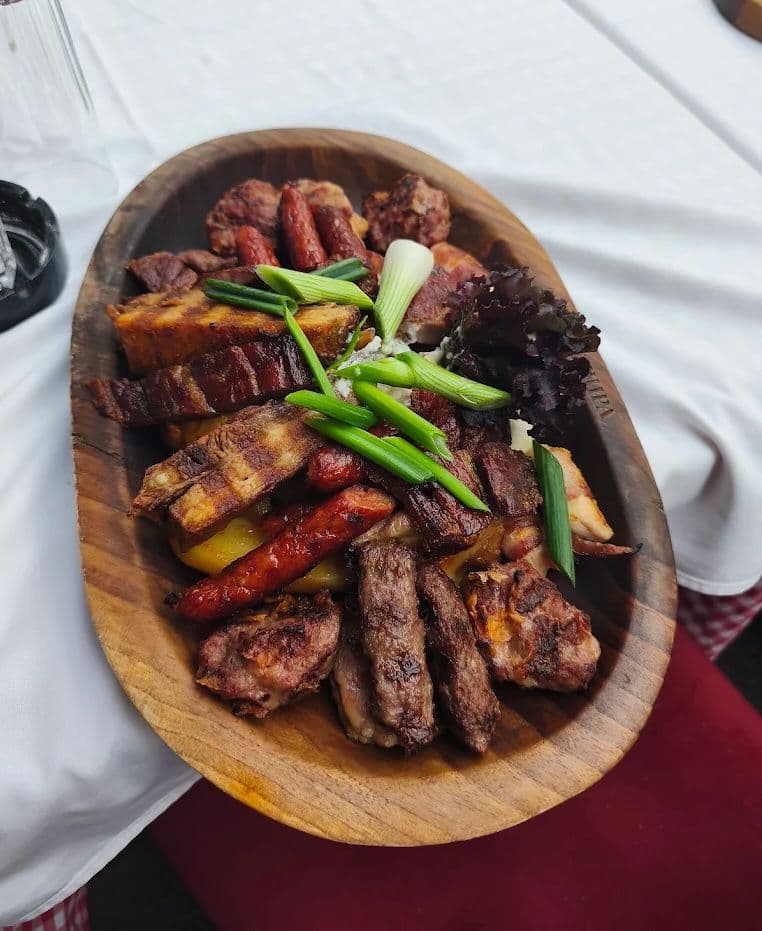
Serbian BBQ Platter
TraditionalA mixed Serbian grill platter built around the country's roštilj tradition, bringing together favorites like pljeskavica, sausages, and other roasted meats. In Belgrade, this kind of feast overlaps with the spirit of Leskovački voz, a celebratory grill experience served for sharing.
Leskovački voz means 'Leskovac train,' a name that evokes the steady arrival of grilled meats from the fire one after another.
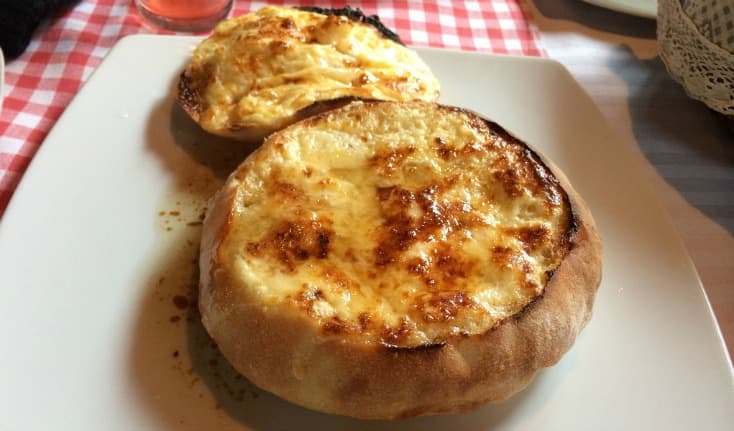
Komplet Lepinja
TraditionalA hollowed lepinja is filled with kajmak and egg, baked until rich and set, then finished with pretop—the savory roast-meat drippings that give this Serbian breakfast its signature depth.
Komplet lepinja is associated with Užice and western Serbia, but its rich breakfast format belongs on a Serbian food itinerary.
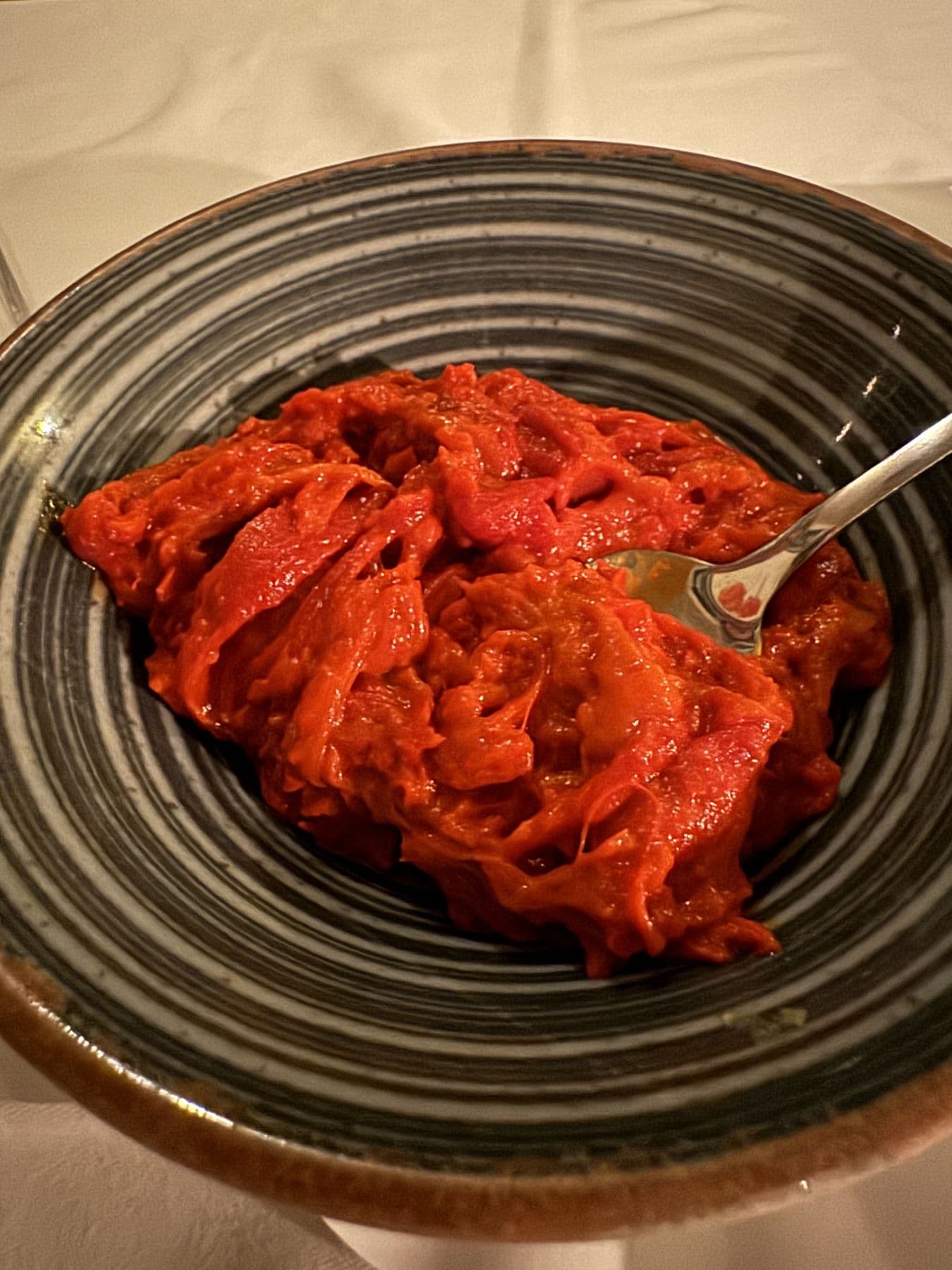
Ajvar
TraditionalAjvar is a smoky roasted red-pepper spread that appears all over Serbian tables, from breakfast breads to grilled meat plates. In Belgrade it is one of the clearest flavor markers of a traditional Serbian meal.
Ajvar is especially beloved in late summer and autumn, when roasted peppers are turned into jars of the spread for months ahead.
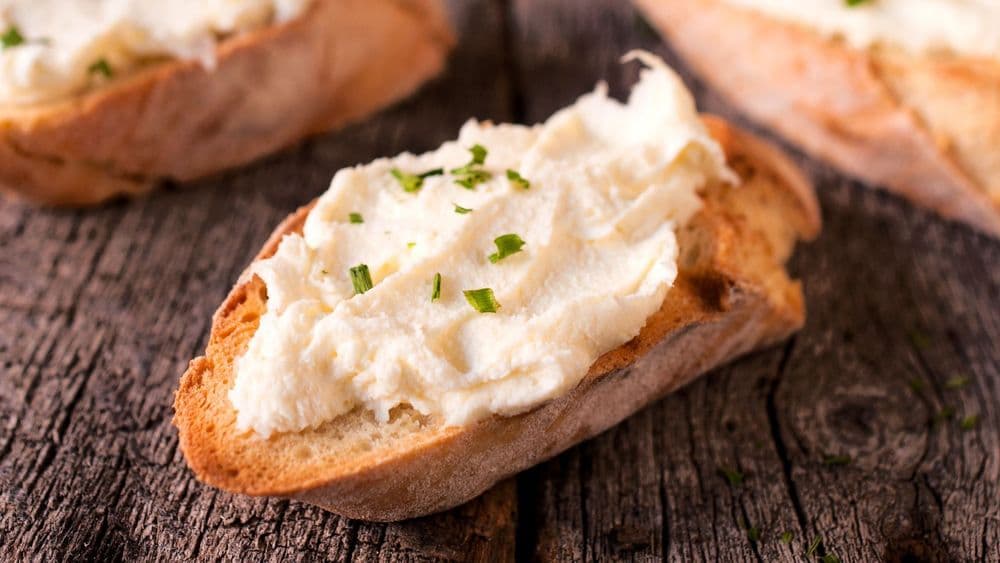
Kajmak
TraditionalKajmak is a rich, creamy dairy specialty served as a spread, side, or finishing touch across Serbian cuisine. In Belgrade you will find it paired with grilled meats, warm breads, baked dishes, and breakfast plates.
Although it can look a little like clotted cream or soft cheese, kajmak has its own tangy, buttery character and is one of the most recognizable Serbian table staples.
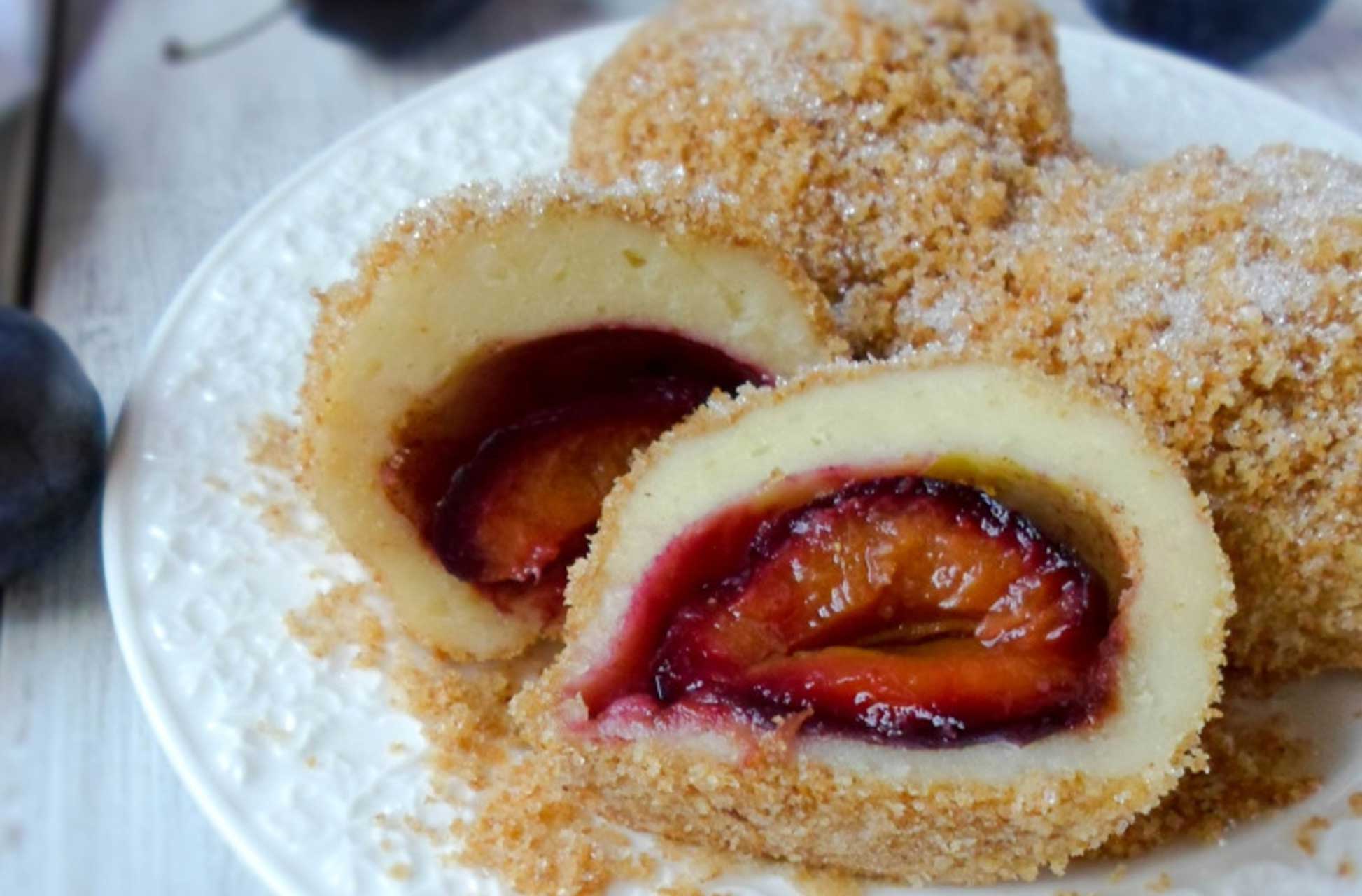
Knedle sa Šljivama
TraditionalSoft potato-dough dumplings wrapped around whole plums and coated in buttery toasted breadcrumbs. They carry a Central European and Vojvodina influence into Serbia's dessert tradition.
The plum-filled version is the classic; contemporary Belgrade shops also experiment with chocolate, pistachio, and seasonal fruit fillings.
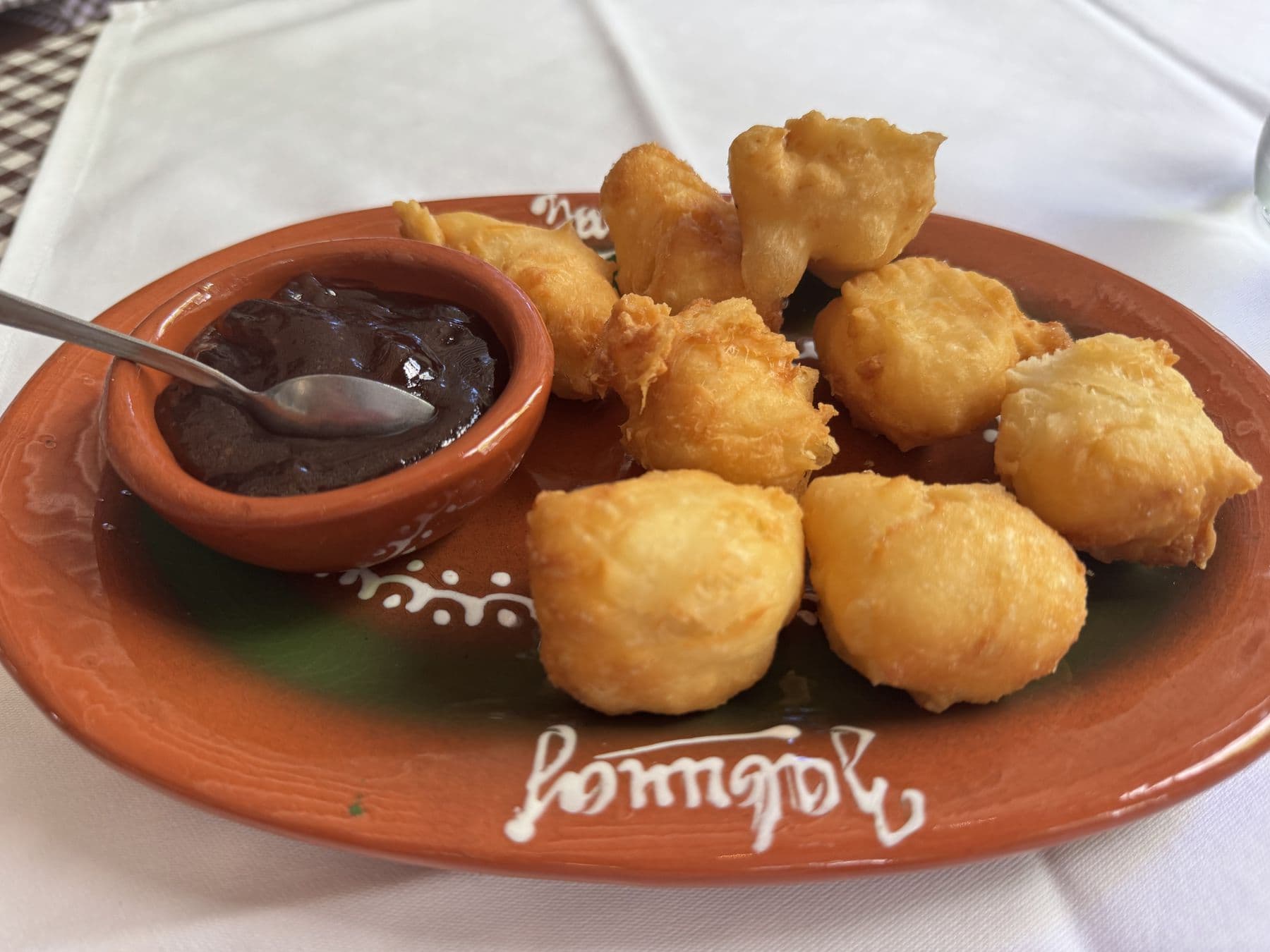
Slatki Uštipci
TraditionalThese small fried dough bites are a beloved sweet treat in Serbia, often served warm and paired with jam, chocolate, or powdered sugar. On a Belgrade table they land somewhere between dessert and an indulgent snack.
The word uštipci usually refers to fried dough fritters, and sweet versions are especially popular for sharing at the end of a meal.
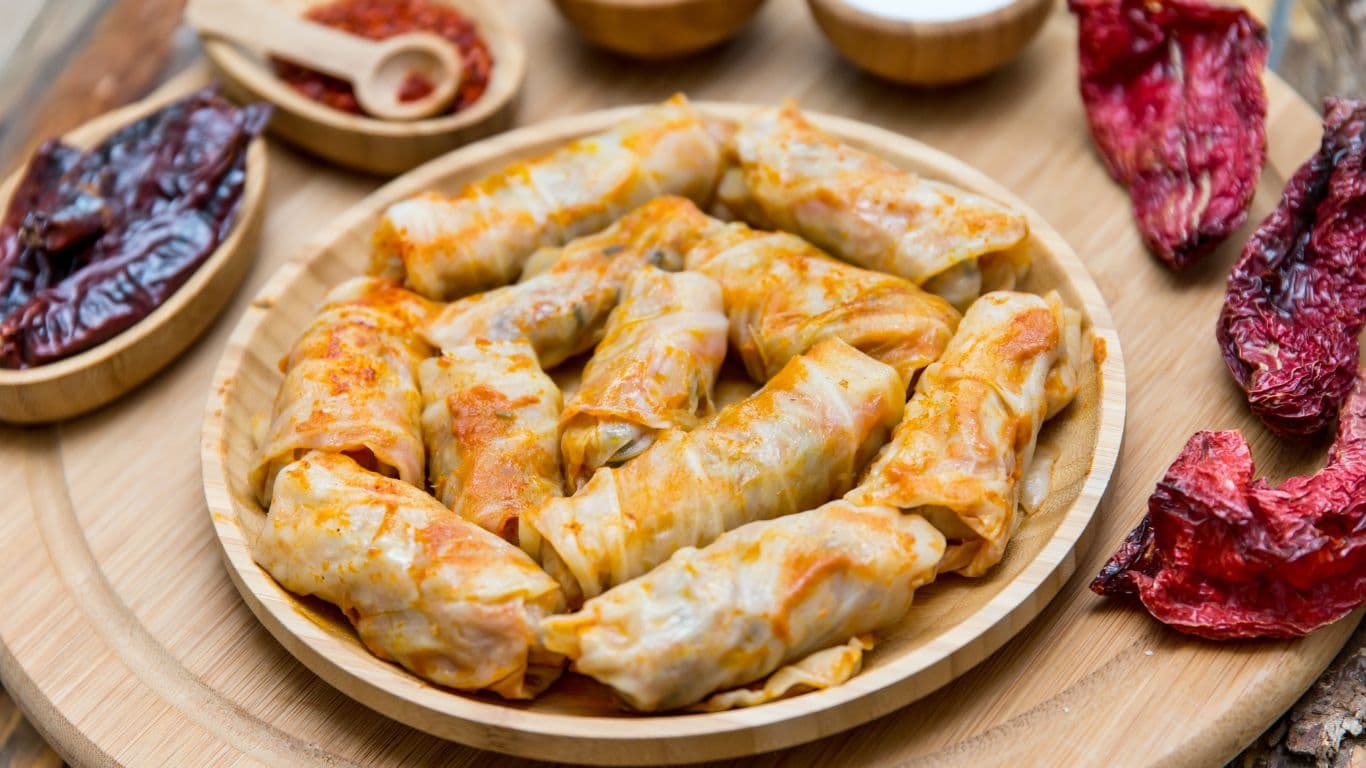
Sarma
TraditionalSarma is a classic Serbian comfort dish of cabbage leaves wrapped around a savory filling, then slowly cooked until tender and deeply seasoned. In Belgrade it is one of the most familiar cold-weather and family-table staples.
Sarma is especially associated with long lunches, winter menus, and festive home cooking across Serbia.
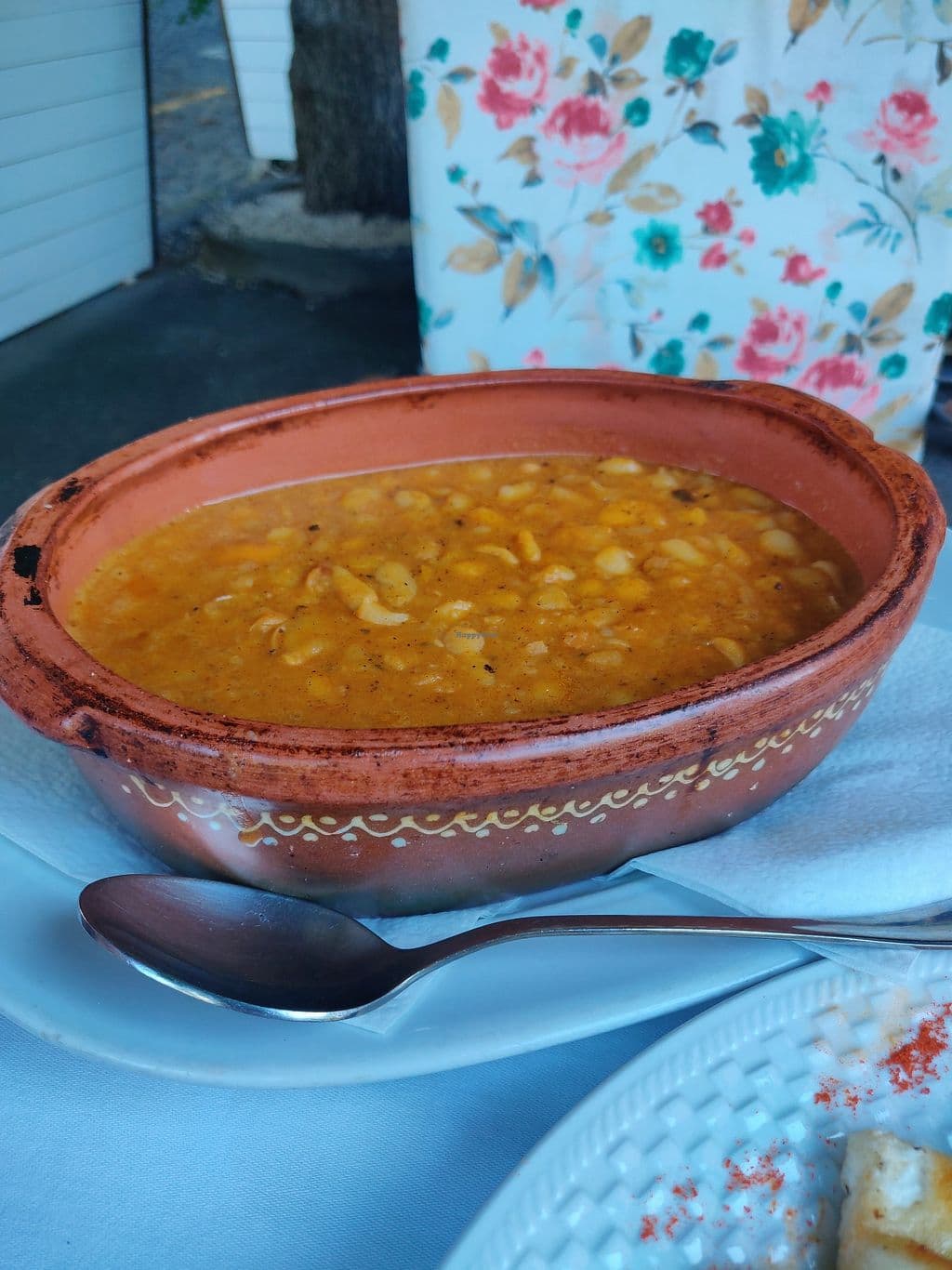
Prebranac
TraditionalWhite beans are slowly baked with plenty of onion and paprika until rich, soft, and almost creamy. This warming Serbian comfort food is naturally vegetarian and works as a side or a meal with bread.
Prebranac is especially associated with Serbian home cooking and fasting-friendly tables.
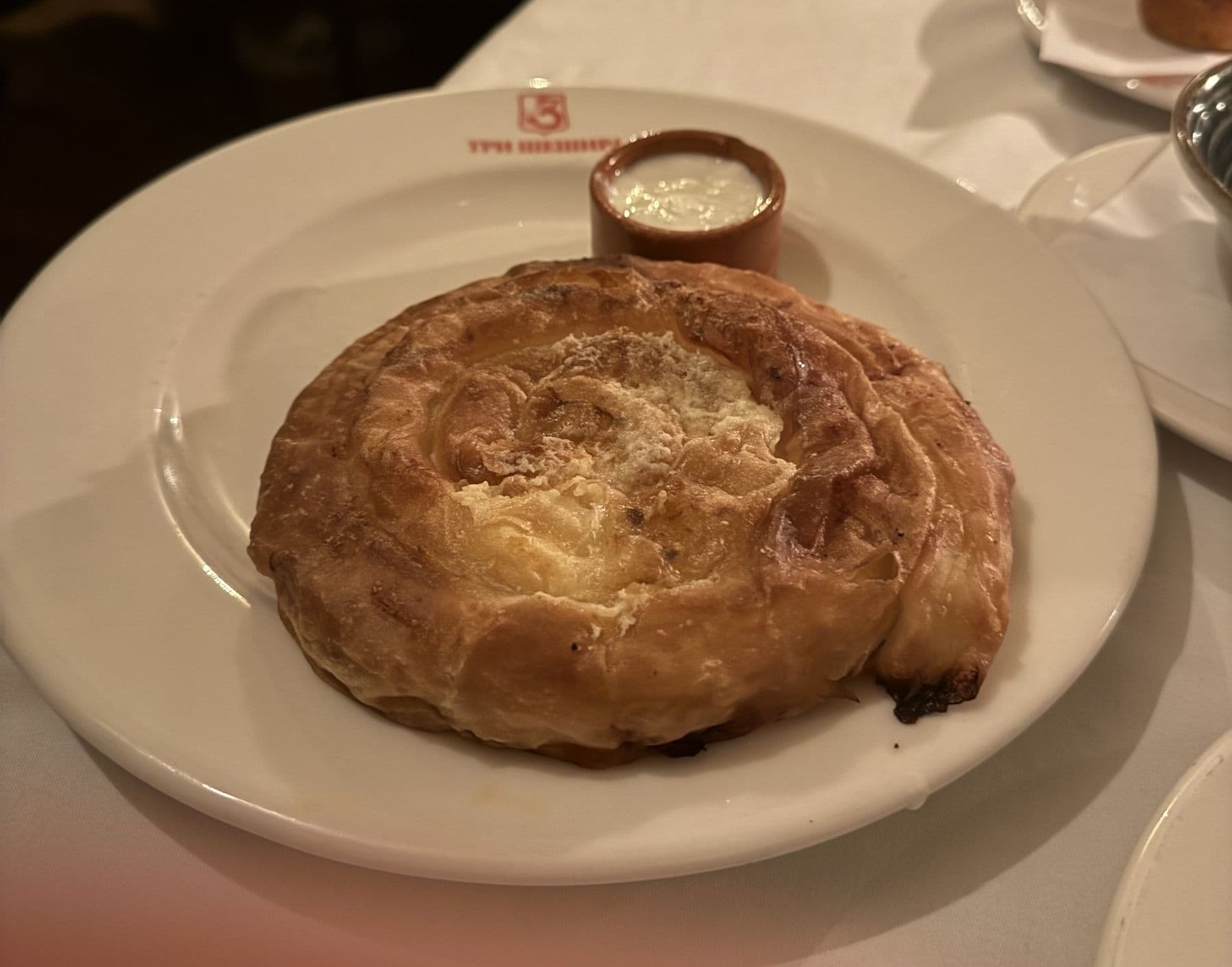
Traditional Serbian Pie (Gibanica)
TraditionalA rich baked pie made by layering thin pastry with a filling of white cheese, eggs, and often kajmak or yogurt. It is one of Serbia's best-known home-style dishes and a natural fit on a Belgrade traditional-food list.
Gibanica is especially associated with family tables, bakeries, and celebratory meals across Serbia.
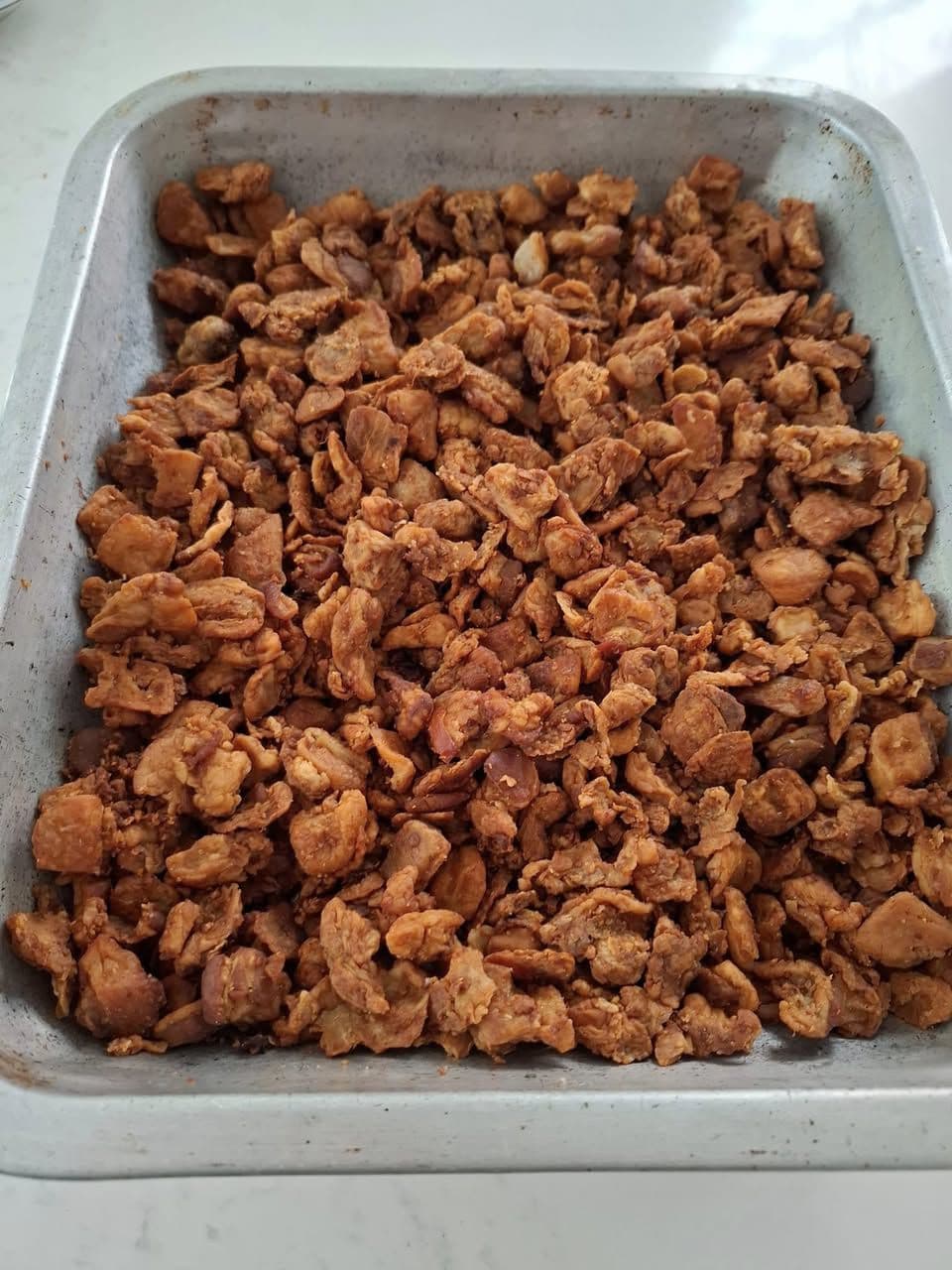
Čvarci
TraditionalCrisp, rich pieces of rendered pork fat—Serbian-style cracklings—served with bread, cheese, or other cold appetizers. They are a distinctly local snack for travelers who want the full traditional spread.
Čvarci are often part of a Serbian cold appetizer or meze-style spread rather than a plated main course.
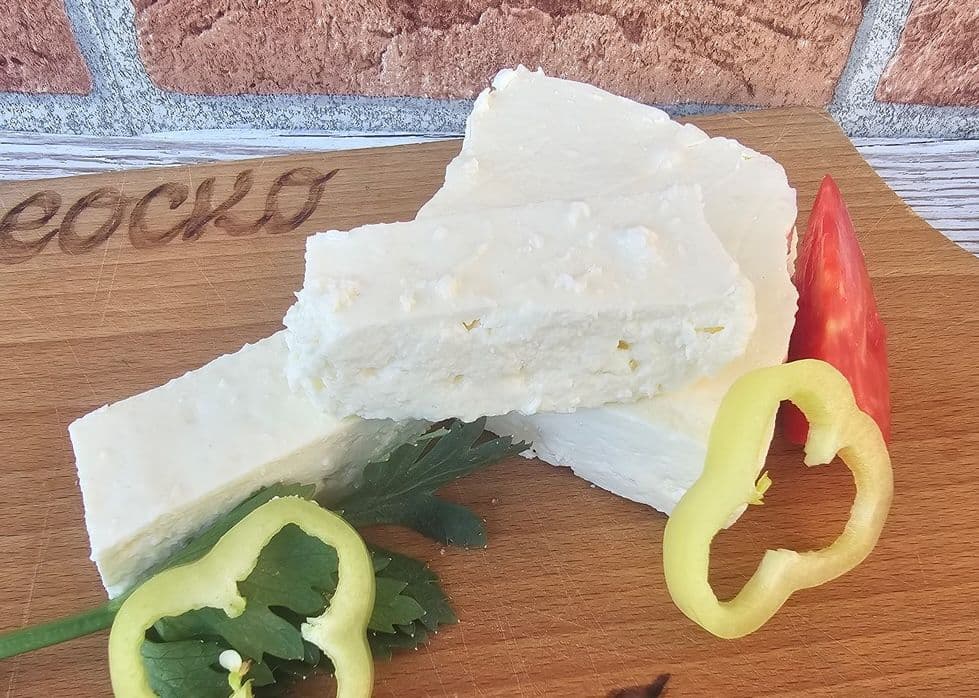
Sjenica Cheese
TraditionalA salty white brined cheese from the Sjenica region of southwestern Serbia. Look for it in traditional starters, salads, and contemporary plates that spotlight the country's regional dairy.
The cheese is named for Sjenica, a highland town and region in southwestern Serbia.
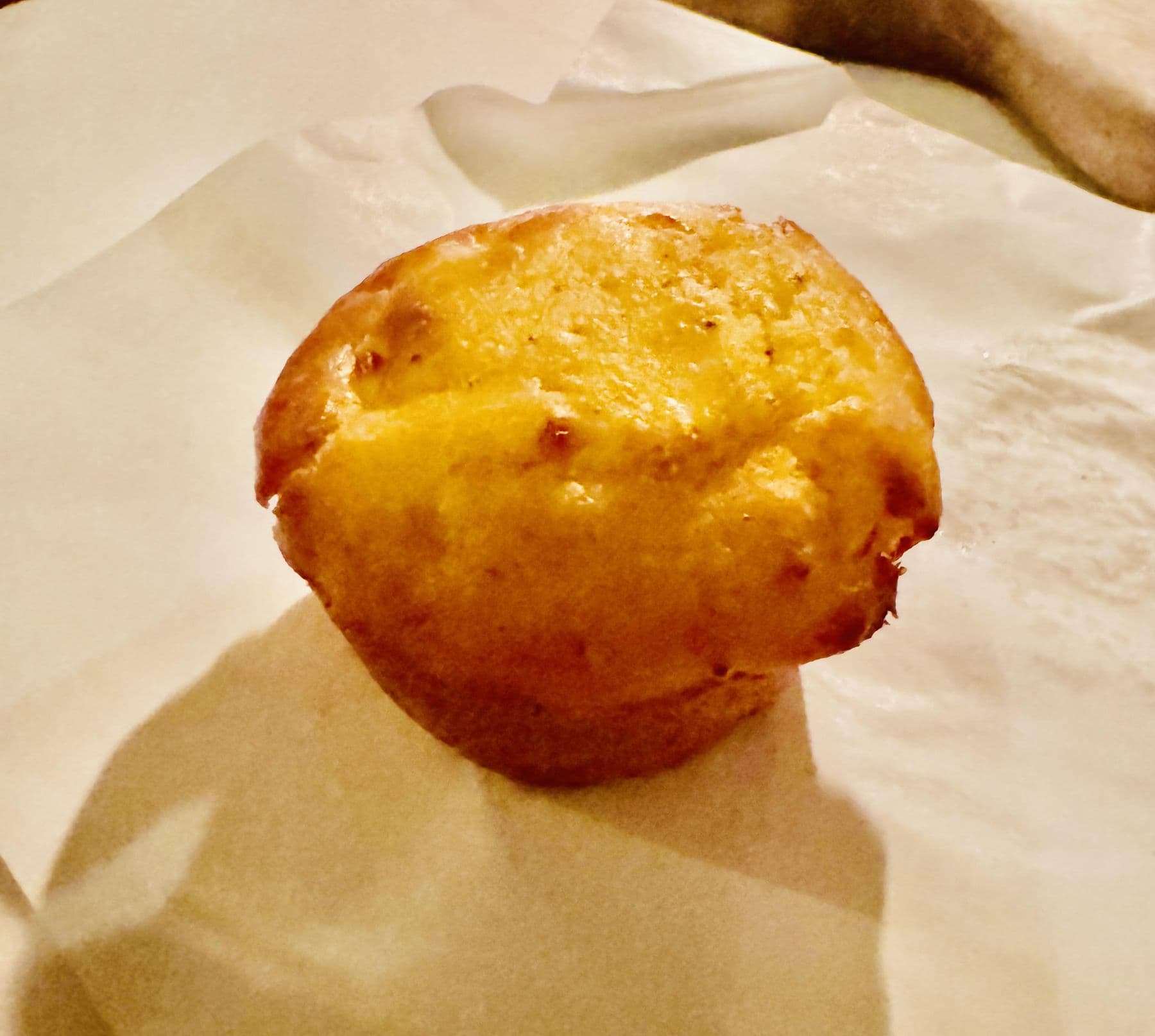
Proja
TraditionalRustic Serbian cornmeal bread served warm with white cheese and kajmak. It is a humble, deeply useful introduction to the country's grain and dairy traditions, often arriving as a restaurant starter.
Belgrade's official culinary guide specifically identifies proja with cheese and kajmak as a traditional starter.
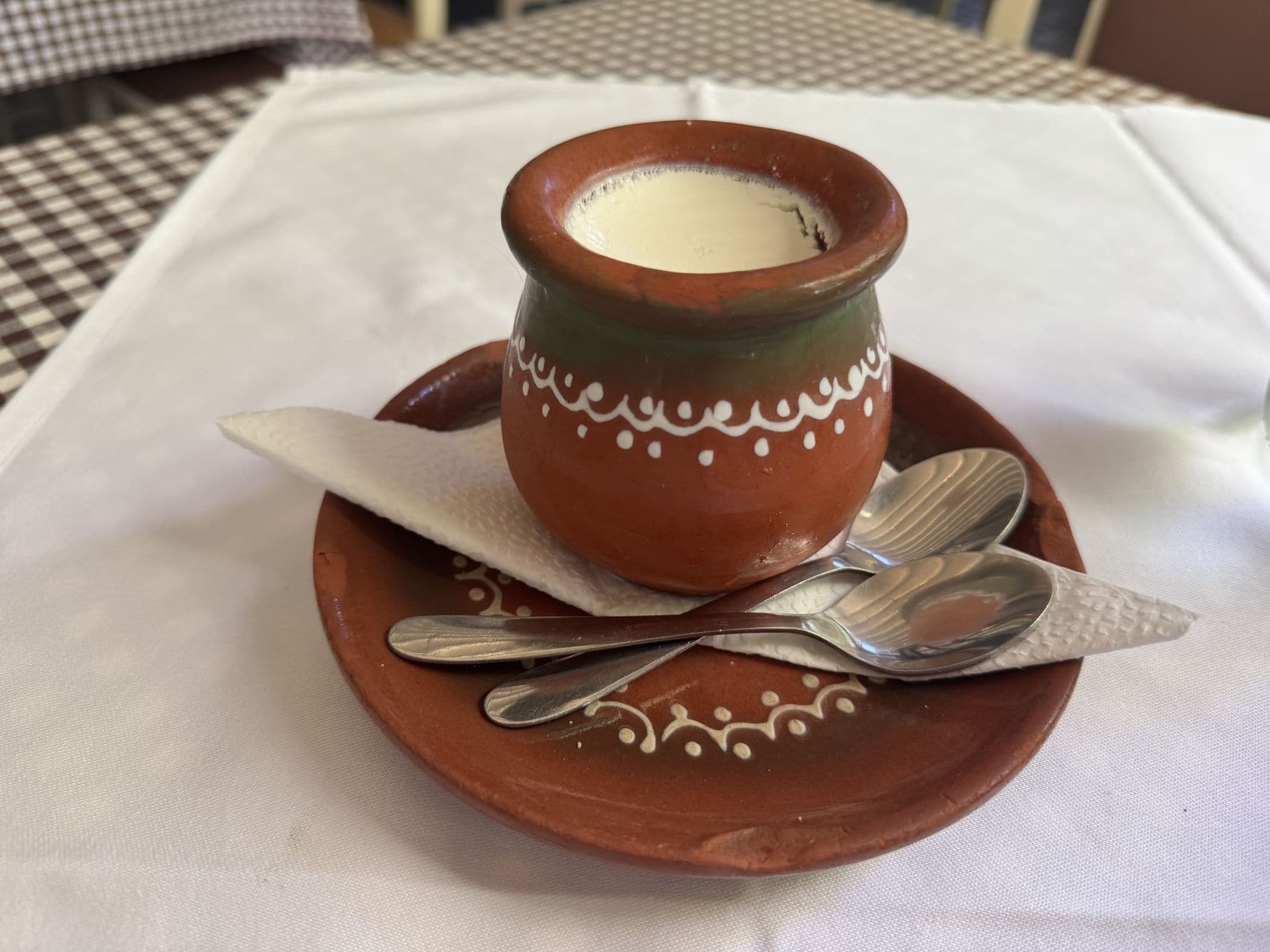
Kiselo Mleko
TraditionalA cultured sour-milk dairy specialty served chilled, often in a small clay pot. In Serbia it can show up as a simple dessert, a cooling side, or a traditional dairy course alongside richer dishes.
Kiselo mleko is especially prized for its tangy, refreshing contrast to heavier grilled and baked dishes.
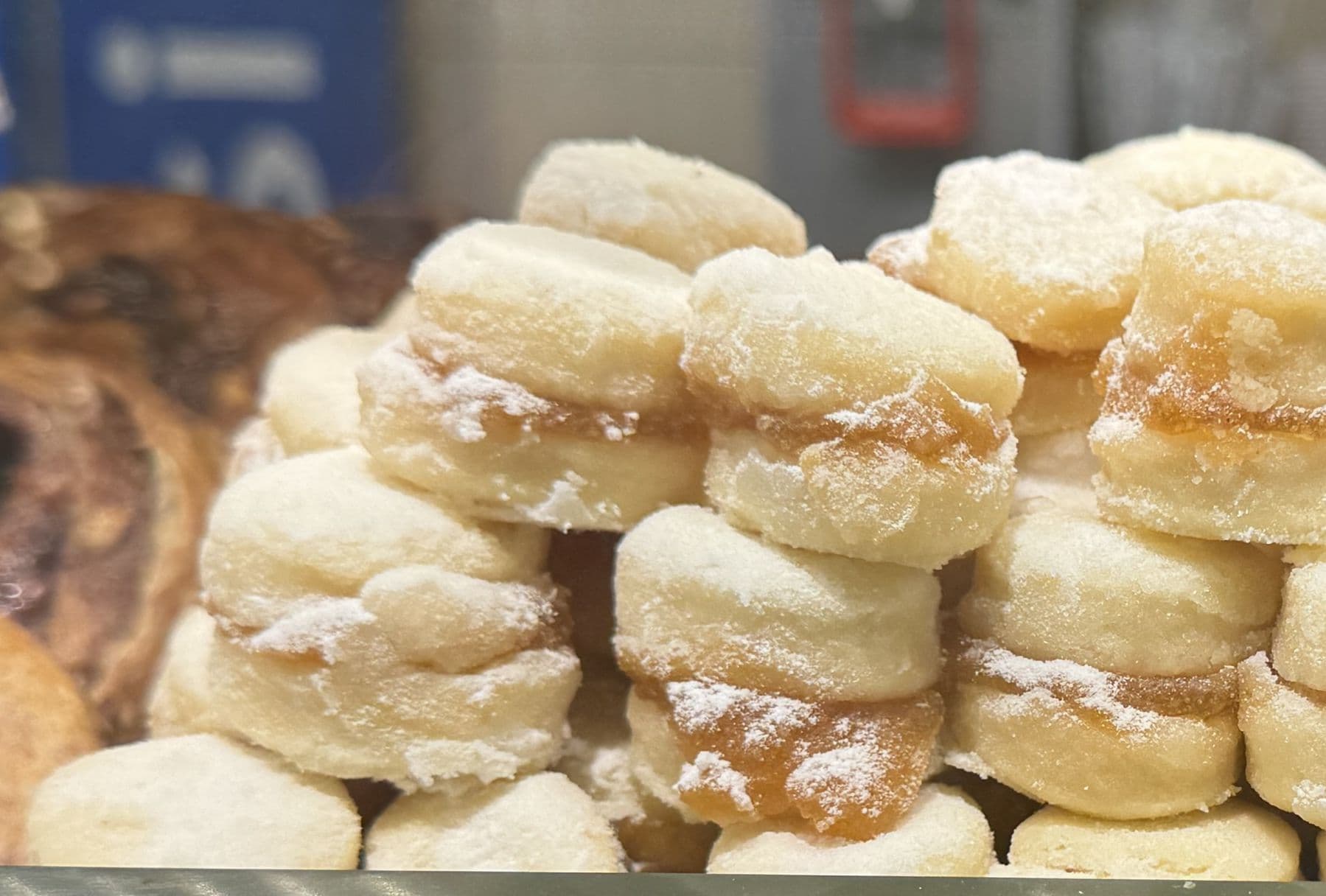
Vanilice
TraditionalTiny crumbly sandwich cookies filled with jam and dusted generously with powdered sugar. Their delicate texture and pantry-friendly ingredients make them one of Serbia's classic homemade sweets.
Vanilice are commonly made as two small cookies joined with jam, then rolled in powdered sugar.
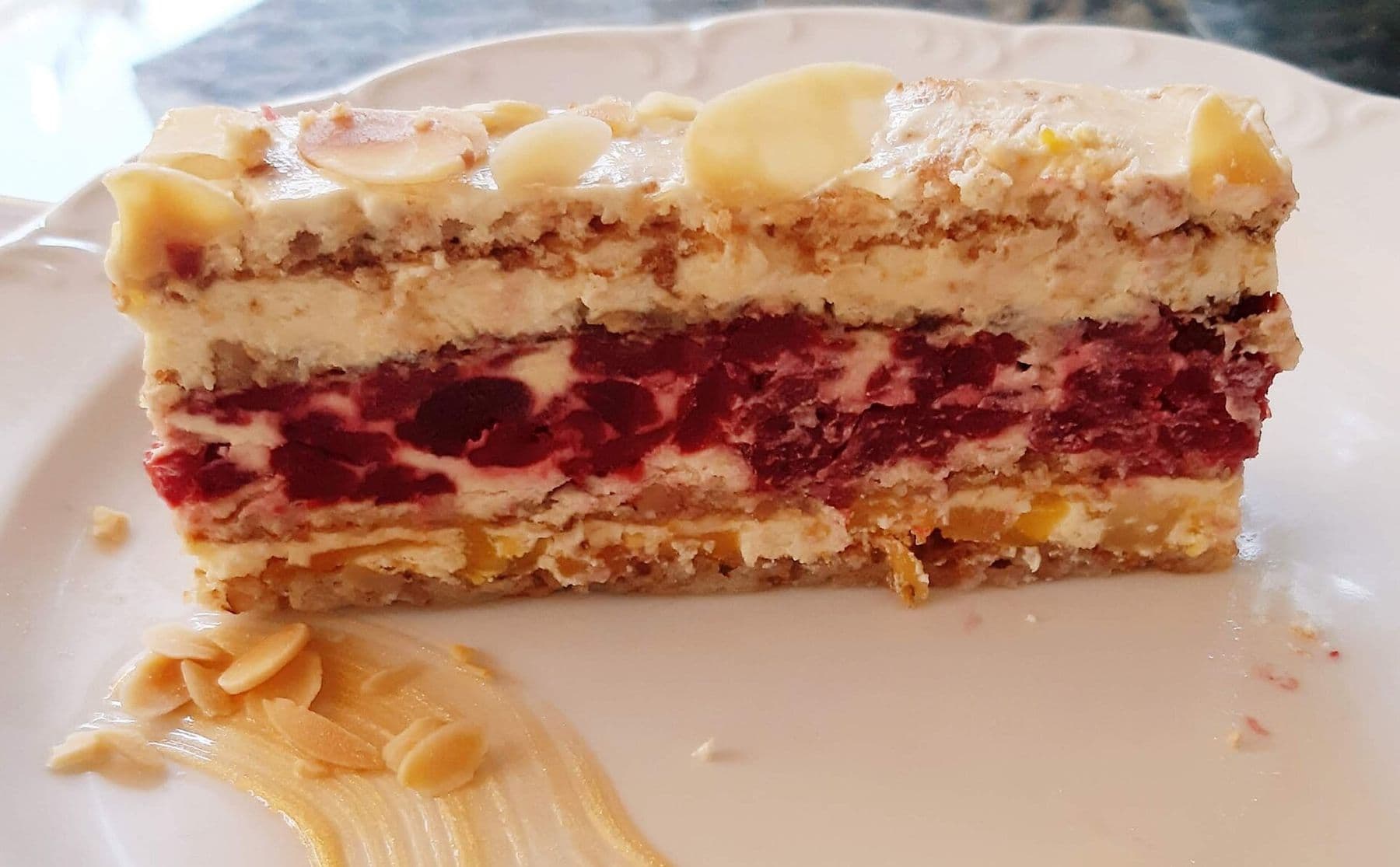
Moskva Šnit
TraditionalA signature Belgrade layer cake associated with historic Hotel Moskva, built from cream, fruit, and nuts. It is one of the city's most recognizable dessert rituals and a natural counterpoint to its savory grill culture.
The cake takes its name from Hotel Moskva, one of Belgrade's landmark historic hotels.
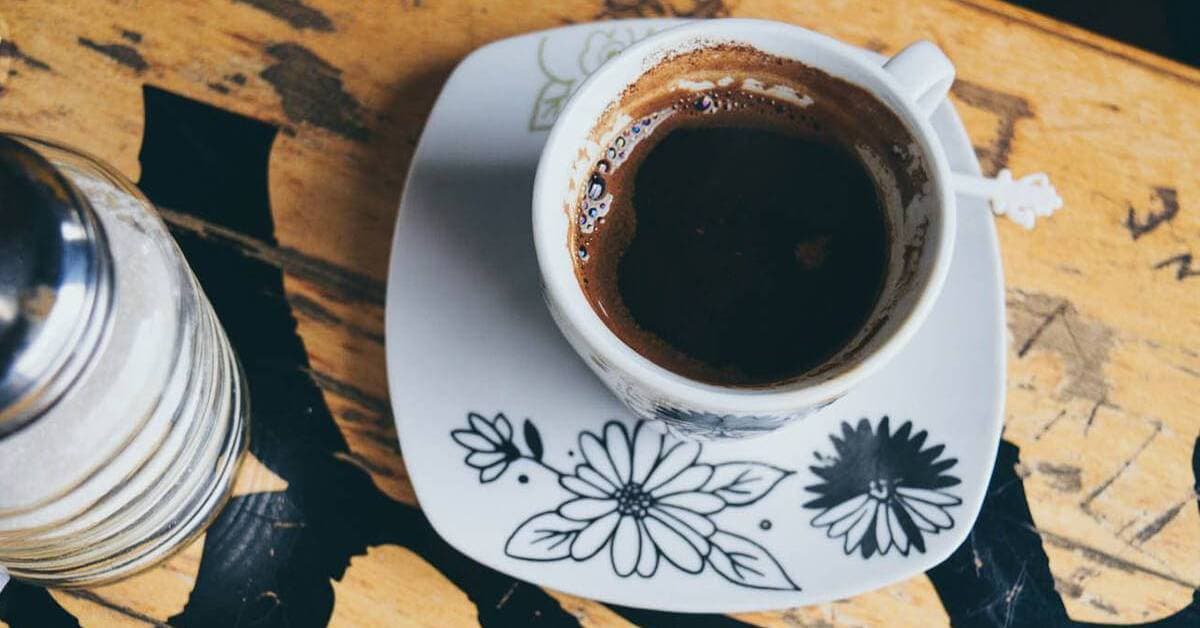
Belgrade's café culture now stretches beyond the old kafana ritual into compact specialty-coffee bars, careful espresso, filter brews, and creative pastries. Dorćol is a natural neighborhood to start exploring.
Local food guides describe Dorćol as one of the city's main clusters for specialty coffee and independent café culture.
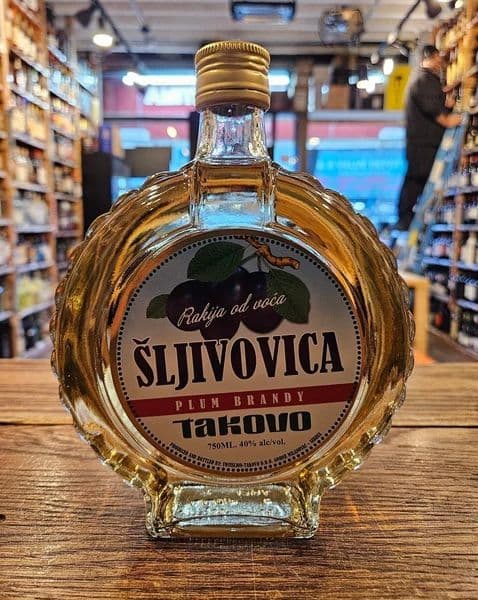
Šljivovica
TraditionalSerbia's famed plum rakija is a strong, fruit-forward spirit served as a welcome, aperitif, or after-dinner pour. Try it slowly alongside meze in a kafana rather than treating it like a quick shot.
Serbia's national tourism organization specifically recommends trying šljivovica, whether as a drink or alongside plum preserves.