
Marrakesh
Marrakesh tastes like smoke, spice, pastry, and mint tea: slow-cooked tangia, Friday couscous, flaky msemen, powdered-sugar pastilla, and market bowls eaten between riads, souks, and lantern-lit squares.
What to Eat in Marrakesh
13 iconic foods and the best places to find them
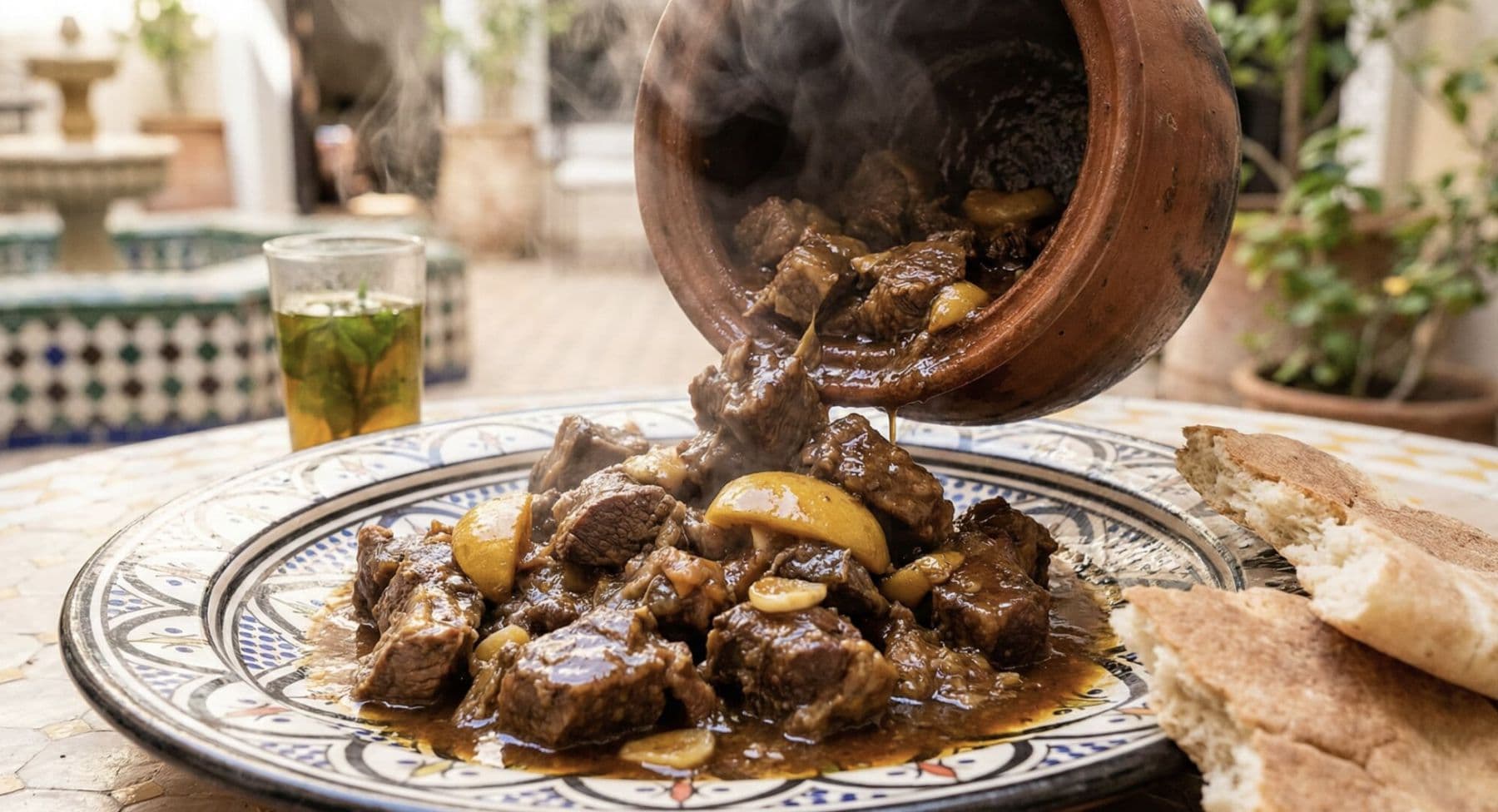
Tanjia Marrakchia
TraditionalMarrakesh's signature lamb dish is sealed in a clay vessel with preserved lemon, cumin, saffron, garlic, and olive oil, then slow-cooked until spoon-soft.
Tangia is so tied to Marrakesh that the dish is often described as the city's own slow-cooked emblem rather than a generic Moroccan stew.
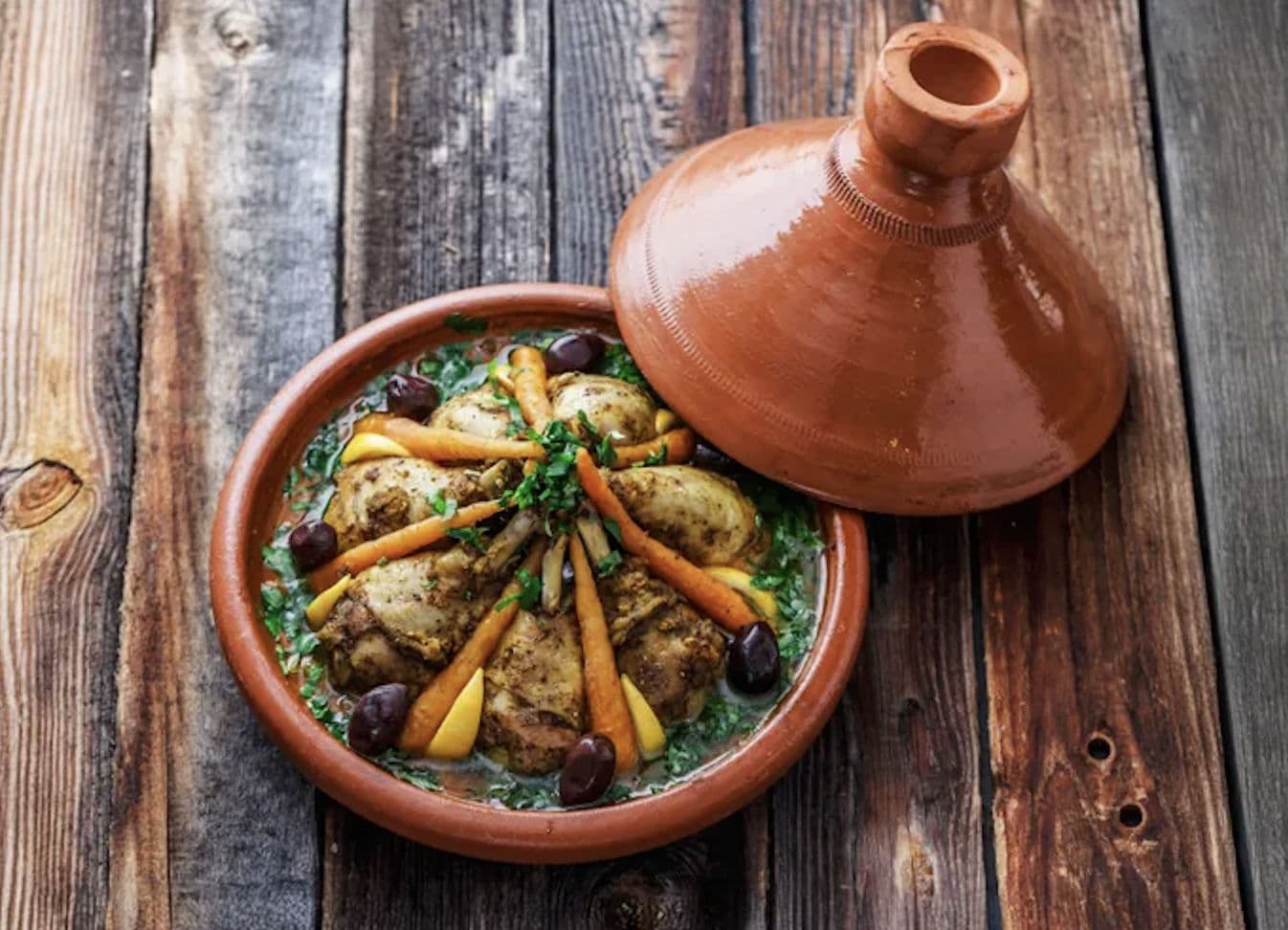
Tagine
TraditionalTagine is one of Marrakesh's everyday table anchors: meat or vegetables simmered slowly with spices, olive oil, and preserved lemon until the whole dish turns soft, fragrant, and deeply comforting.
The word tagine refers both to the dish and the conical clay vessel it cooks in, which traps steam and helps ingredients braise gently.
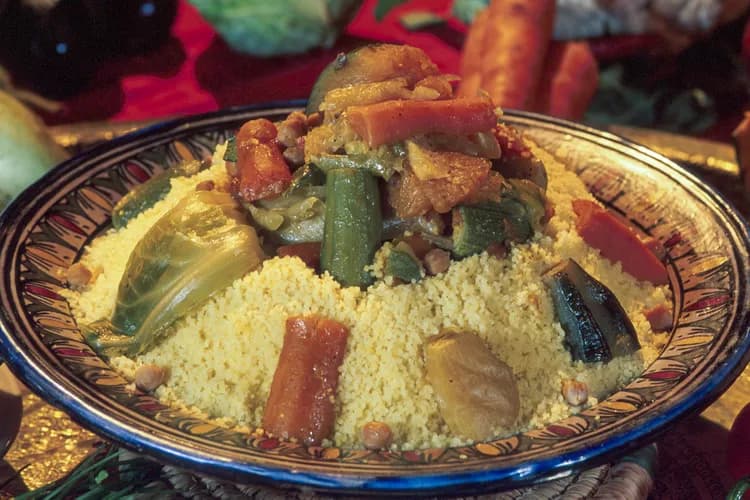
Couscous Tfaya
TraditionalCouscous tfaya is Marrakesh's celebratory Friday plate: steamed semolina topped with tender meat, chickpeas, and a sweet-savory tangle of caramelized onions, raisins, and warming spices.
In Morocco, couscous is especially tied to Fridays, when families gather after prayer for a long, shared midday meal built around one large platter.
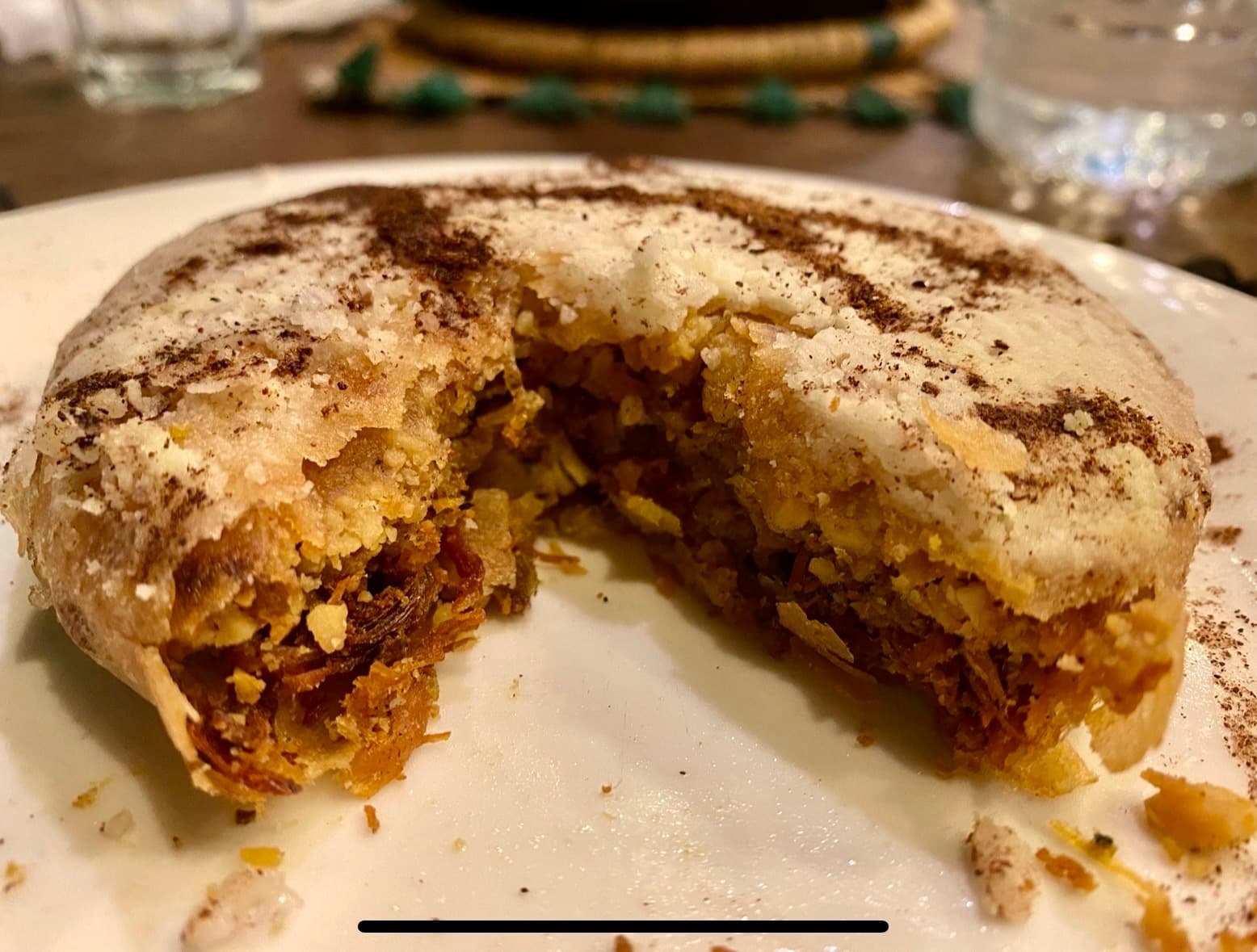
Pastilla
TraditionalPastilla layers crisp warqa pastry around savory filling and almond-cinnamon sweetness, making it one of Marrakesh's most elegant sweet-savory signatures.
Pastilla shows off one of the classic Moroccan flavor moves: savory meat and warm spice meeting powdered sugar and toasted almonds in the same bite.

Harira
TraditionalHarira is a tomato-rich Moroccan soup built from lentils, chickpeas, herbs, and warming spices, and it remains one of the city's most comforting bowls.
Harira is especially associated with Ramadan, but in Marrakesh it also works as an everyday reset between heavier grilled and pastry-rich dishes.

Msemen
TraditionalMsemen is a layered griddled flatbread with crisp edges and soft folds, usually eaten with honey, cheese, or tea as one of Marrakesh's essential breakfast bites.
The dough is folded repeatedly to create its signature layers, which is why a good msemen feels both buttery and lightly crisp at once.

Maakouda
TraditionalThese cheap, satisfying potato fritters are a true Marrakesh street-food move, especially stuffed into bread with harissa for a fast market snack.
Maakouda is one of those dishes that proves Marrakesh isn't only about ceremonial plates; it also knows how to feed students, workers, and anyone hungry on the move.

Mechoui
TraditionalMechoui is roast lamb cooked low and long over embers or in an earthen oven until the meat pulls apart with almost no effort.
In Morocco, mechoui often marks a feast table, but in Marrakesh you can also chase it as a singular smoky specialty rather than only a holiday showpiece.
Babbouche
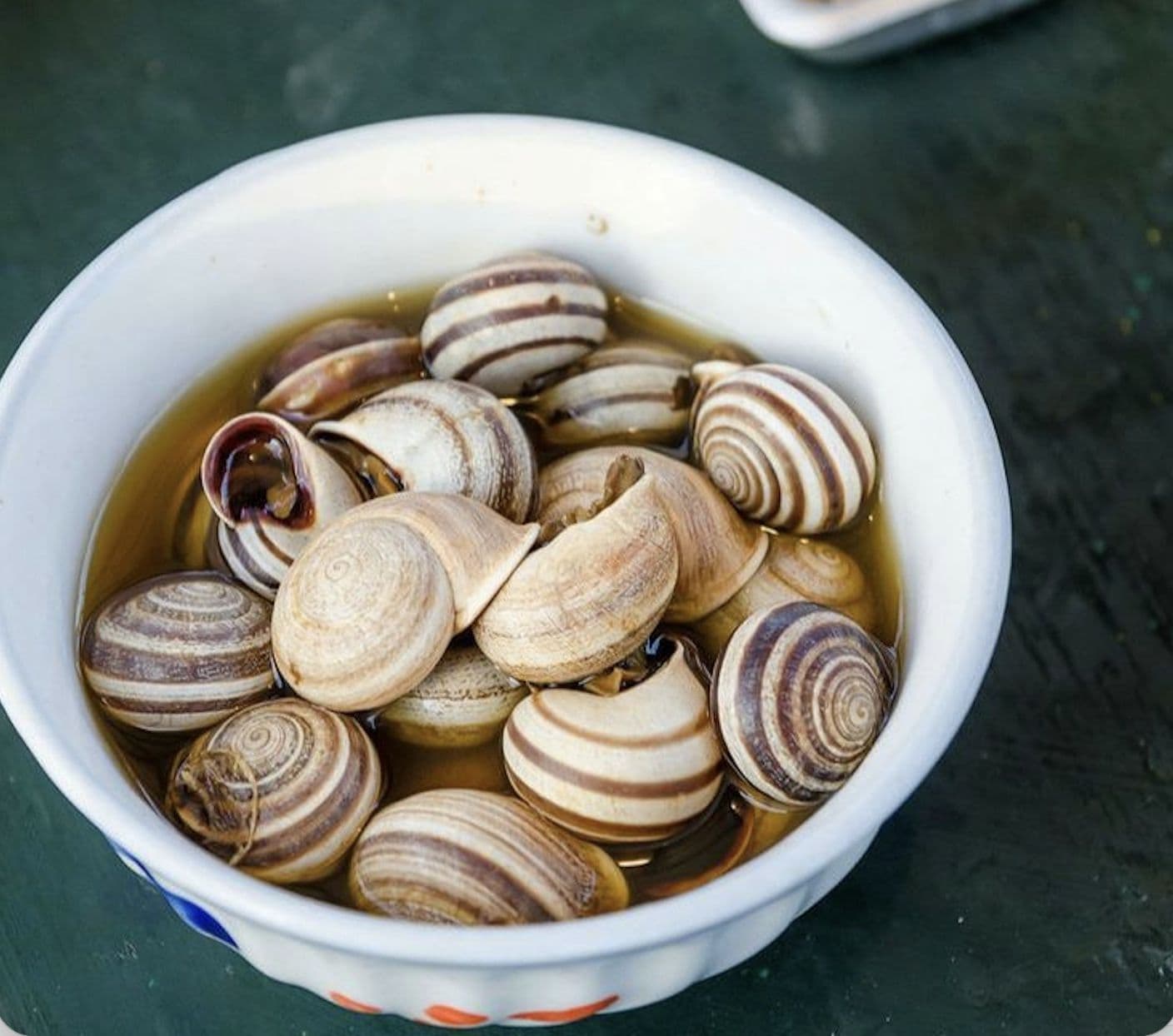
TraditionalBabbouche is Marrakesh's famous snail soup: a peppery broth poured over snails and sipped at the square when the market starts to hum after dark.
Babbouche is one of the clearest examples of how Jemaa el-Fna functions as both a square and an edible performance stage once evening sets in.

Seffa
TraditionalSeffa is a sweet end-of-meal couscous or vermicelli dish topped with sugar, cinnamon, and almonds, and it gives Marrakesh a softer landing after all the smoke and spice.
Seffa often appears at celebrations, which is part of why it feels so different from the city's quicker, more street-facing bites.
Moroccan Mint Tea
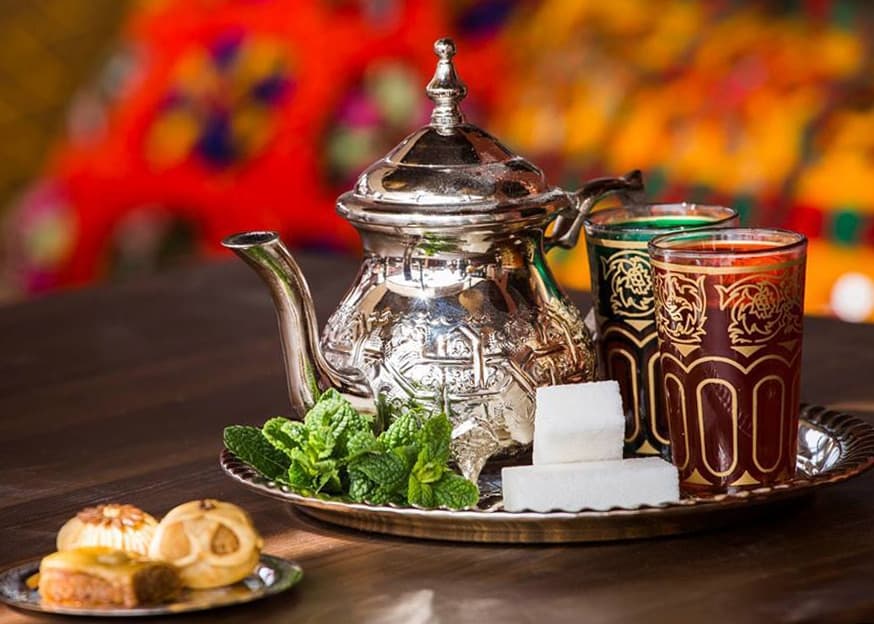
TraditionalMoroccan mint tea is the city's signature welcome: Chinese green tea steeped with fresh mint and plenty of sugar, then poured from height into small glasses until it turns bright, aromatic, and lightly frothy.
In Morocco, mint tea is as much ritual as drink: the high pour cools the tea, mixes the sugar, and creates the light foam prized in a well-served glass.
Svenj
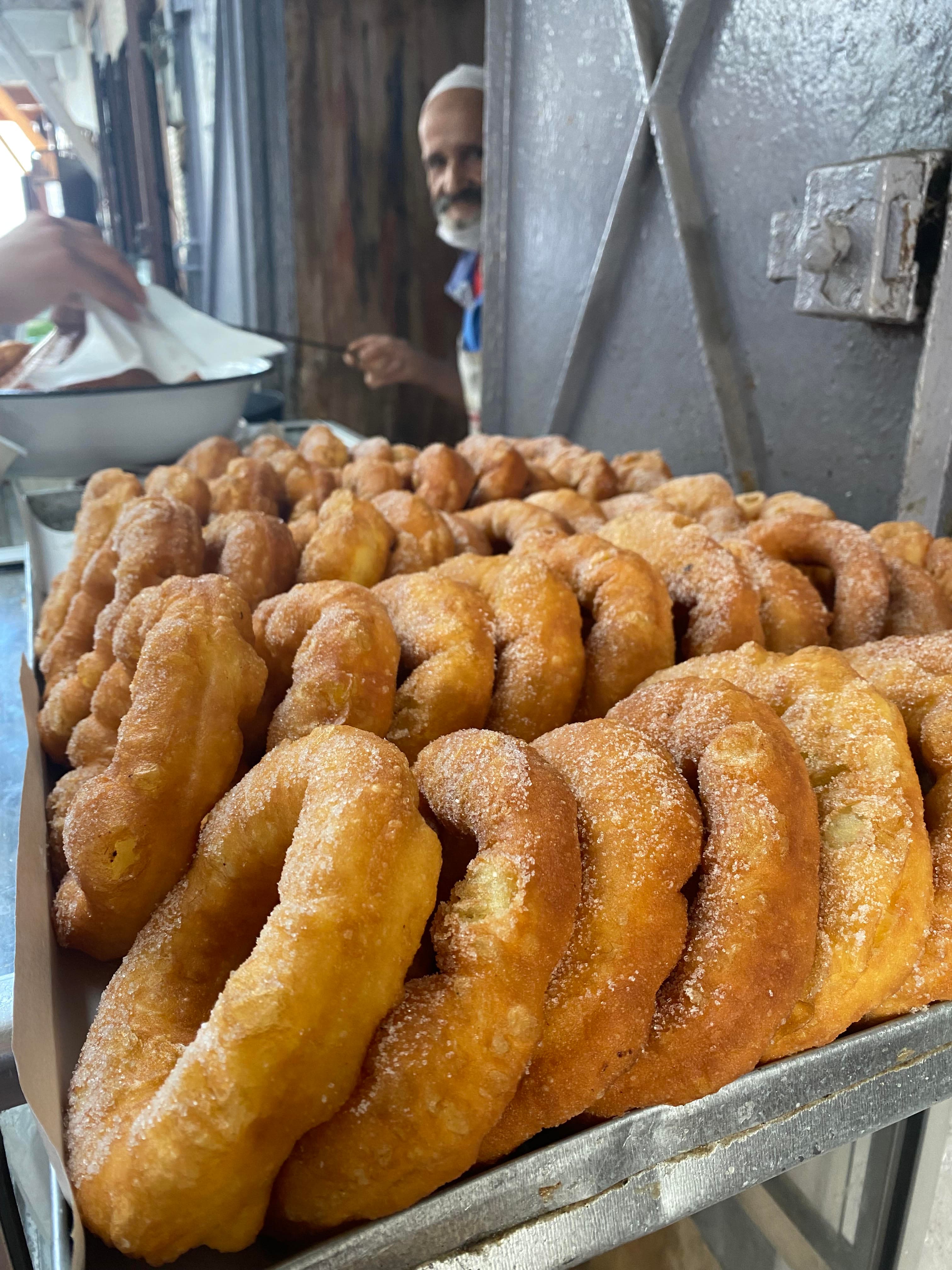
TraditionalSvenj is Marrakesh's sugar-dusted fried dough favorite: airy rings pulled from hot oil and eaten warm as a quick sweet snack in the market.
The best svenj is all about timing: locals often eat it immediately after frying, when the outside is lightly crisp and the inside still soft and stretchy.
Chebakia
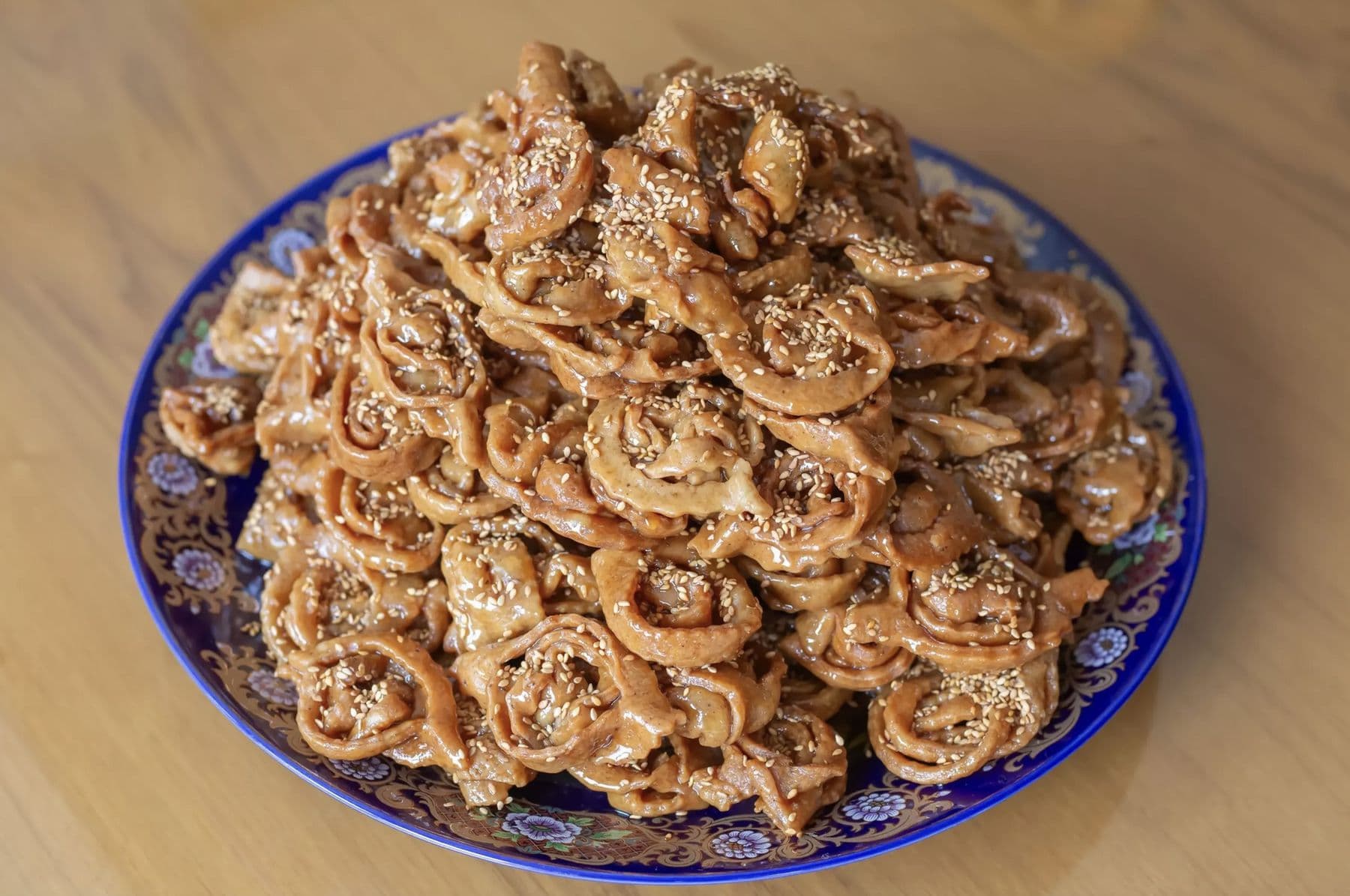
TraditionalChebakia is Marrakesh's signature sesame-and-honey pastry: strips of spiced dough folded into flower-like shapes, fried until crisp, then lacquered with warm honey and scattered with sesame seeds.
Chebakia is especially tied to Ramadan in Morocco, when it is often served beside harira to break the fast with something sweet, sticky, and fragrant.