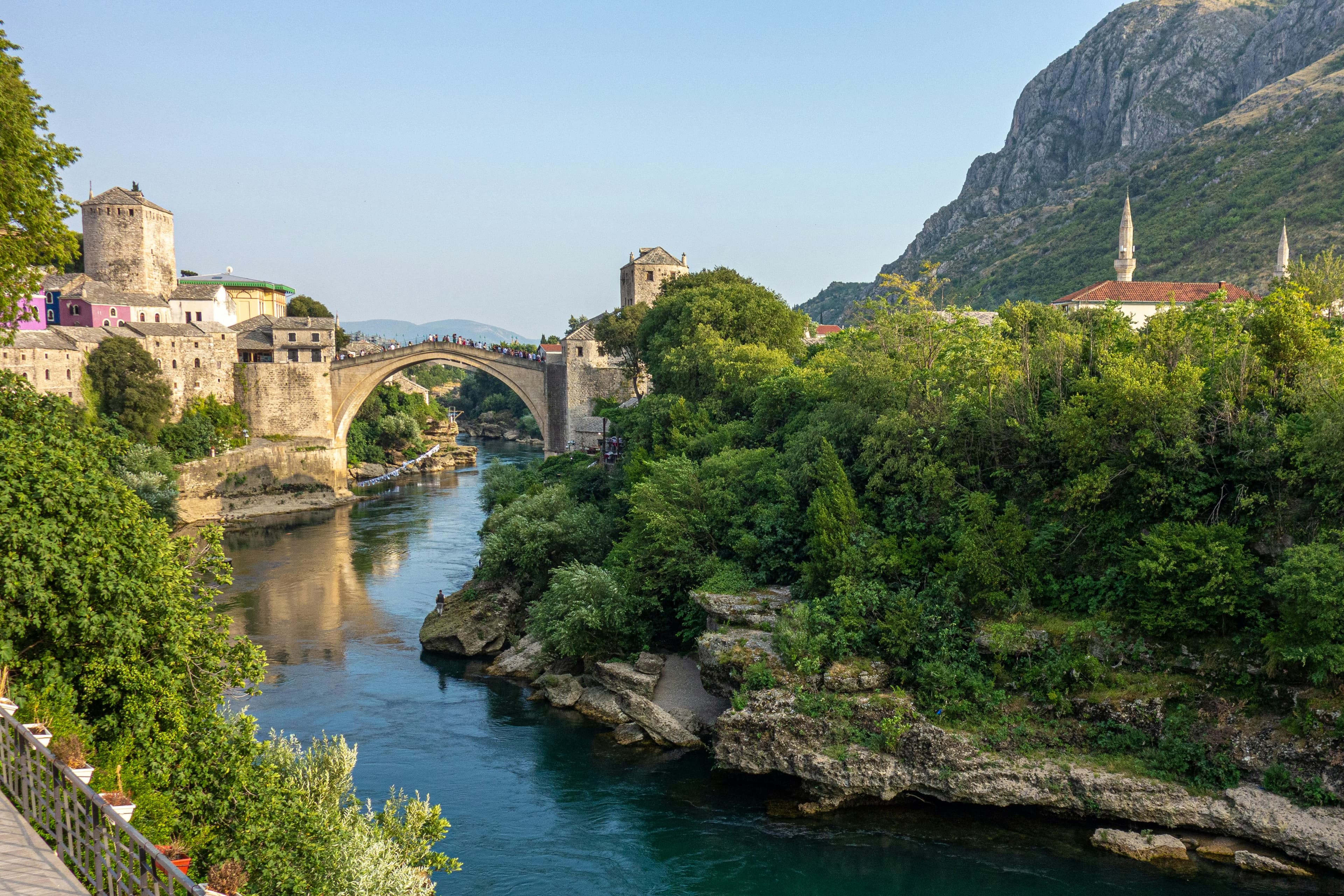
Mostar
Mostar eats at the crossroads of Bosnia, Herzegovina, and the Ottoman world: charcoal-grilled meats, stuffed leaves, river trout, slow home-style stews, syrup-soaked desserts, and strong coffee served in the shadow of Stari Most.
What to Eat in Mostar
18 iconic foods and the best places to find them
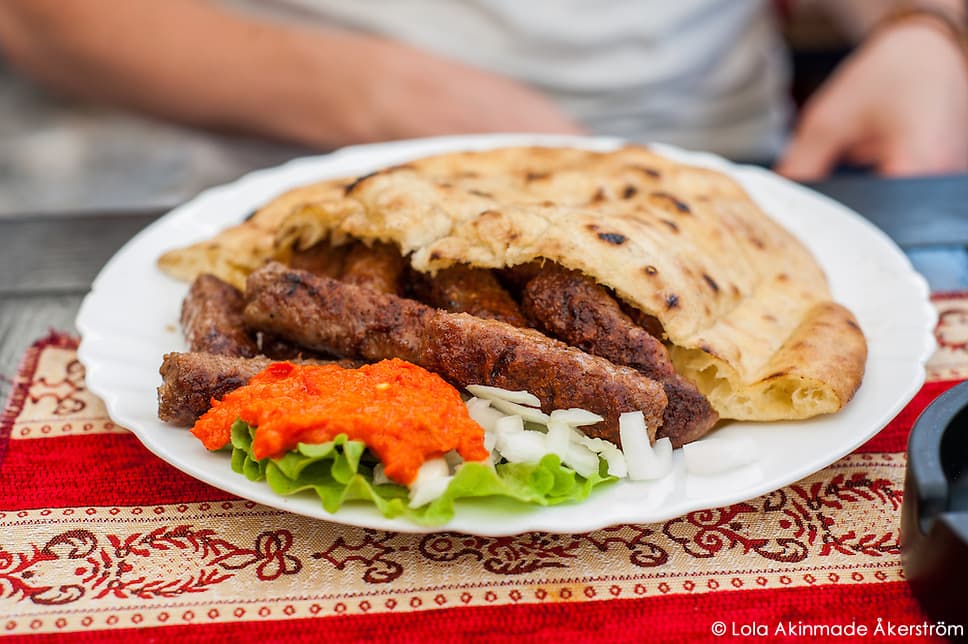
Ćevapi
TraditionalMostar's ćevapi are short grilled minced-meat sausages served hot with somun bread, chopped onion, and often a swipe of kajmak. They are smoky, savory, and one of the city's essential everyday bites.
Ćevapi are popular across the Balkans, but locals are fiercely loyal to their city's version, from the bread to the seasoning blend.
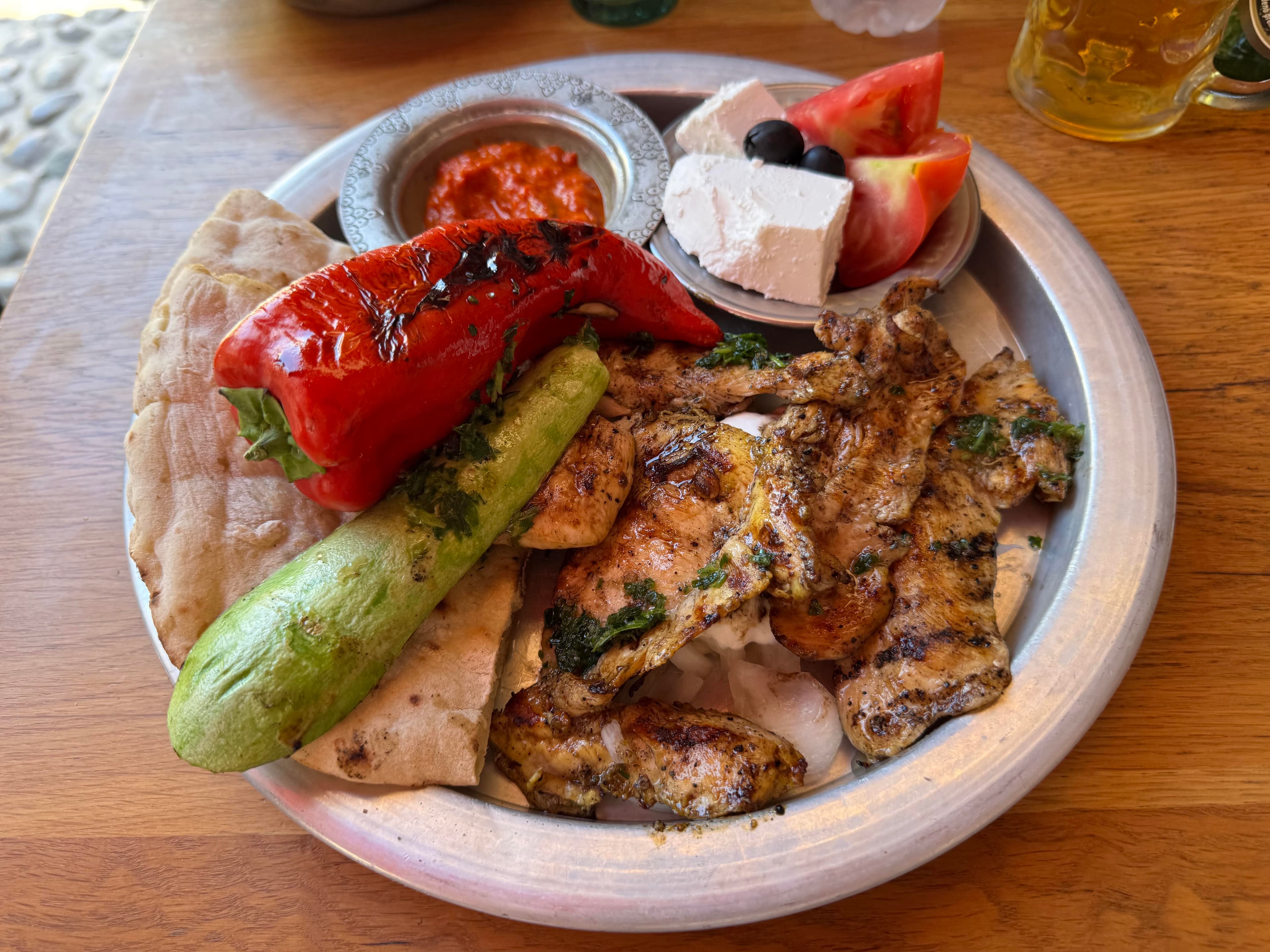
Roštilj Platter
TraditionalA Mostar roštilj platter brings together the city's grill culture in one spread: assorted sausages, patties, skewers, or chops served with bread, onions, and sides for sharing.
Roštilj simply means 'grill,' but in practice it signals a whole family of smoky Balkan meat traditions built for generous group meals.
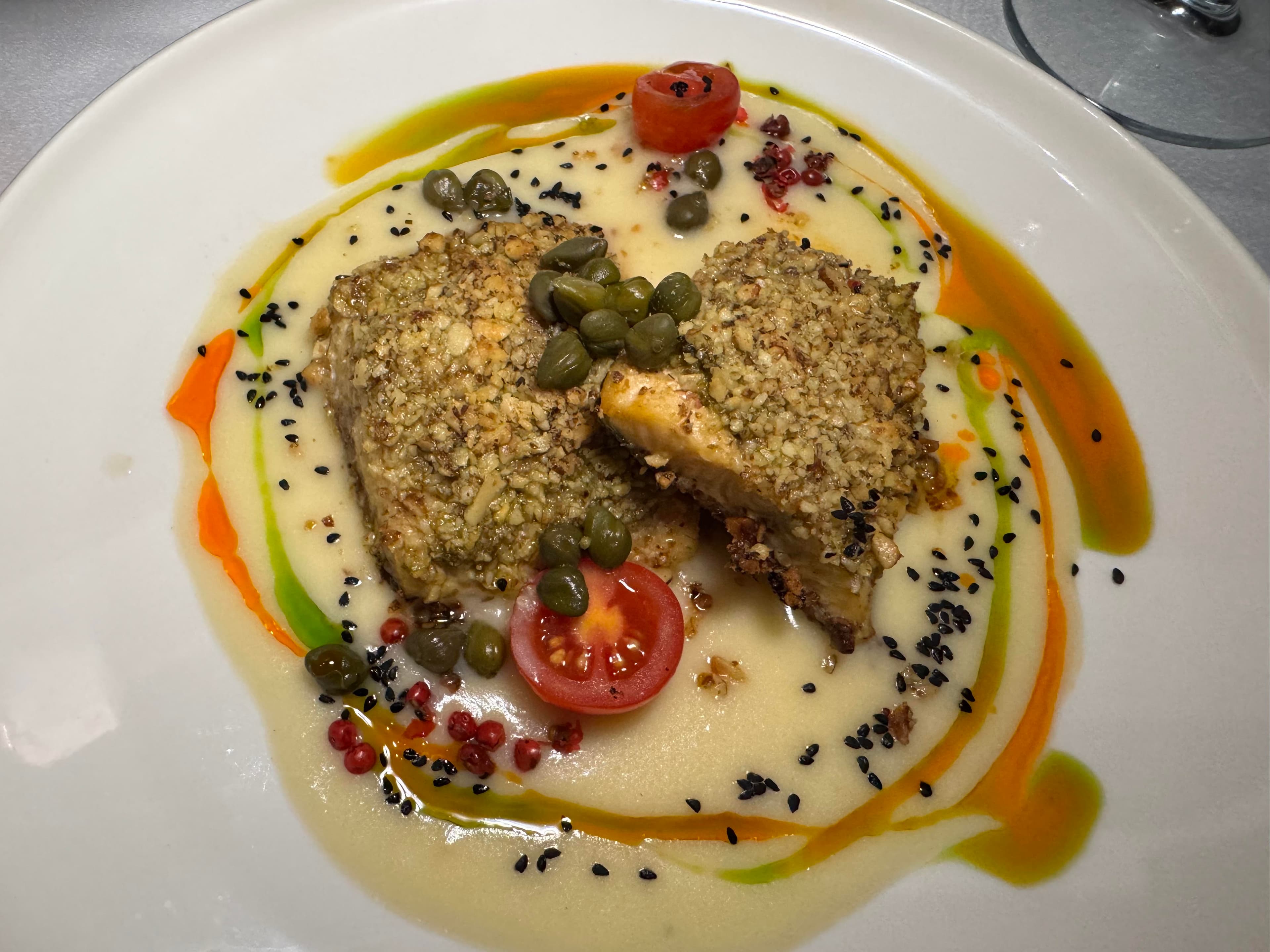
Neretva Trout
TraditionalFresh trout from the Neretva River is one of Herzegovina's signature plates, usually grilled or pan-roasted simply so the clean river flavor stays front and center.
The emerald Neretva is one of the defining features of Mostar, so river fish naturally became part of the local food identity too.
Dolma
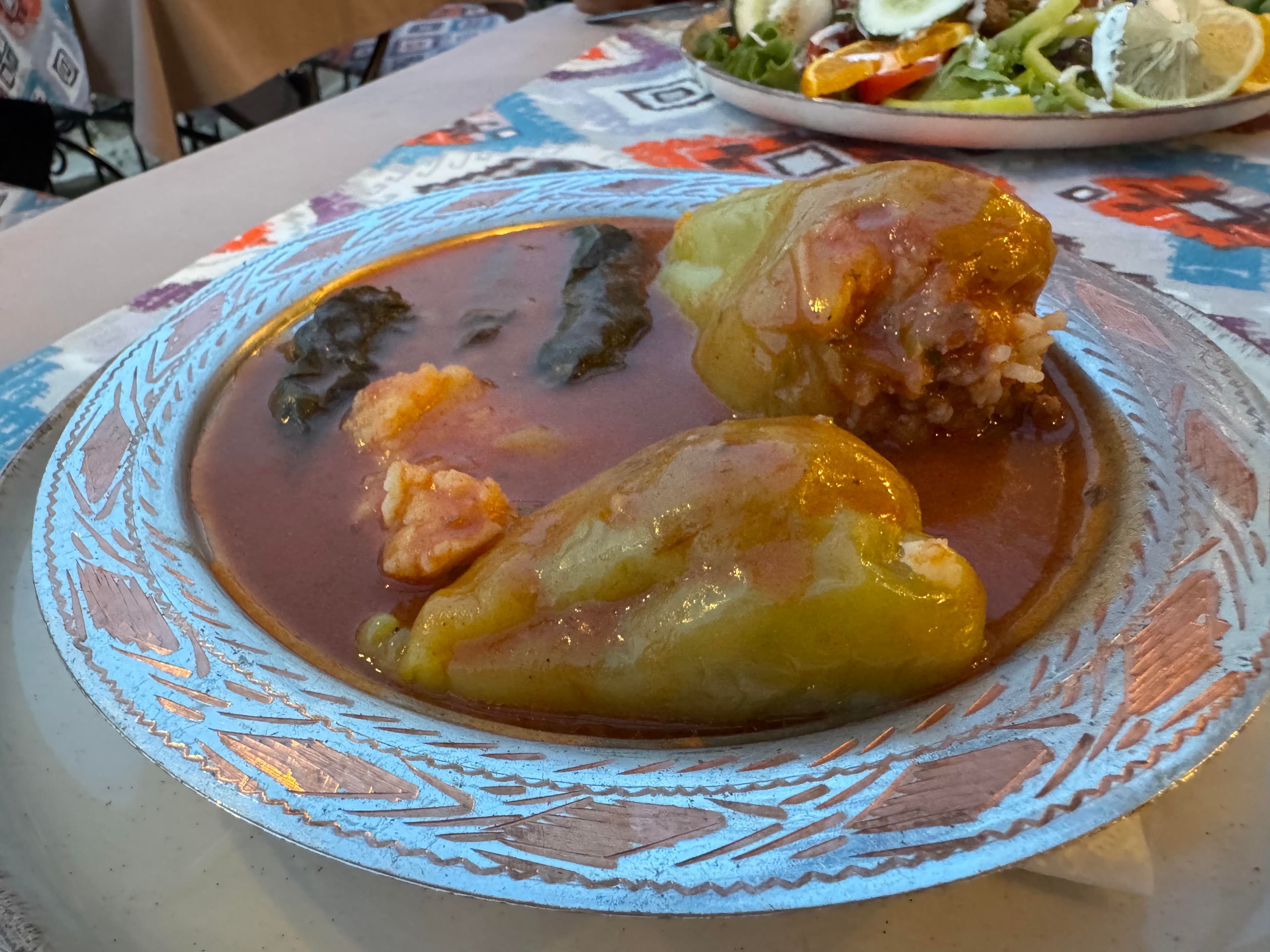
TraditionalIn Mostar, dolma usually means vegetables like peppers, onions, or zucchini stuffed with seasoned meat and rice, then cooked until soft and deeply flavorful.
The word dolma comes from a Turkish root meaning 'stuffed,' a reminder of the dish's Ottoman culinary lineage.
Japrak
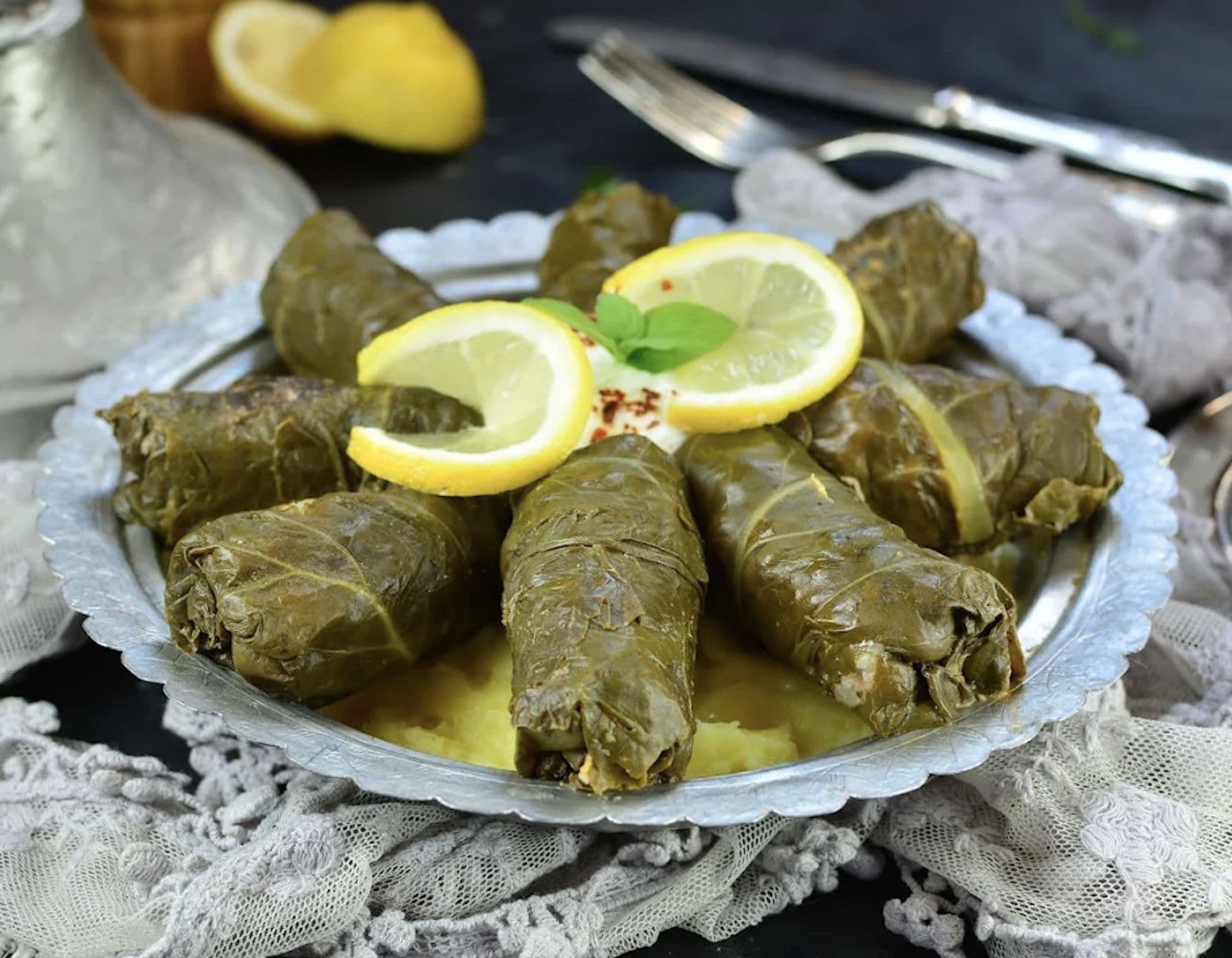
TraditionalJaprak is a Bosnian favorite of vine leaves wrapped around a savory filling of minced meat and rice, gently simmered until tender and aromatic.
Japrak is especially tied to family meals and holiday tables, where careful hand-rolling is part of the ritual.
Bosanski Ionac
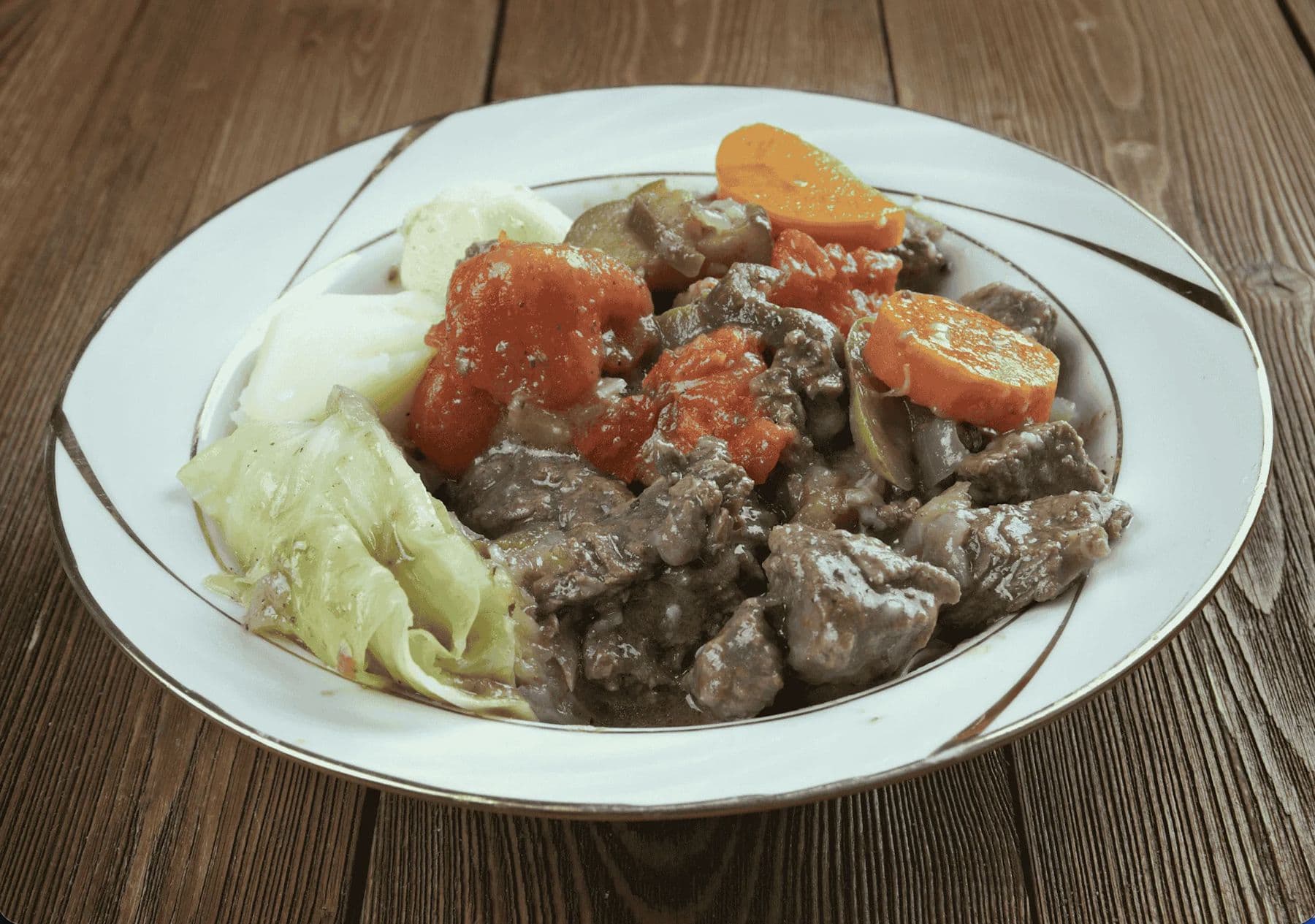
TraditionalBosanski lonac is Bosnia's classic slow-cooked layered stew of meat, cabbage, potatoes, carrots, and other vegetables, cooked until everything melts together into a rich pot of comfort.
The dish's name literally means 'Bosnian pot,' and its layered construction is part of what gives it its slow-built flavor.
Klepe
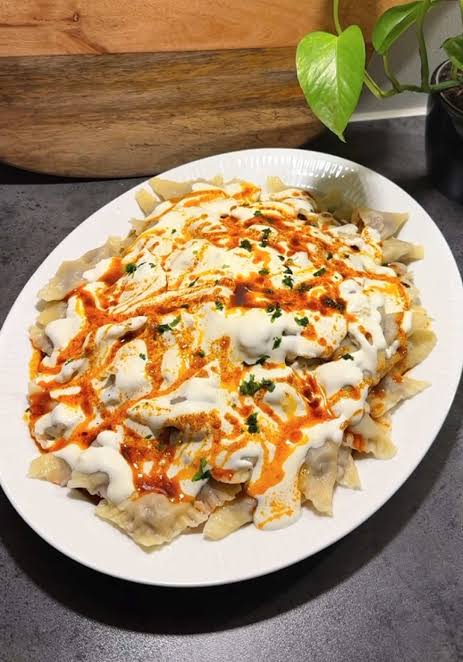
TraditionalKlepe are delicate Bosnian dumplings usually filled with minced meat and served with a garlicky yogurt or sour-cream sauce that softens their edges and adds tang.
Klepe are sometimes described as Bosnia's answer to dumplings or ravioli, but the sauce gives them a character all their own.
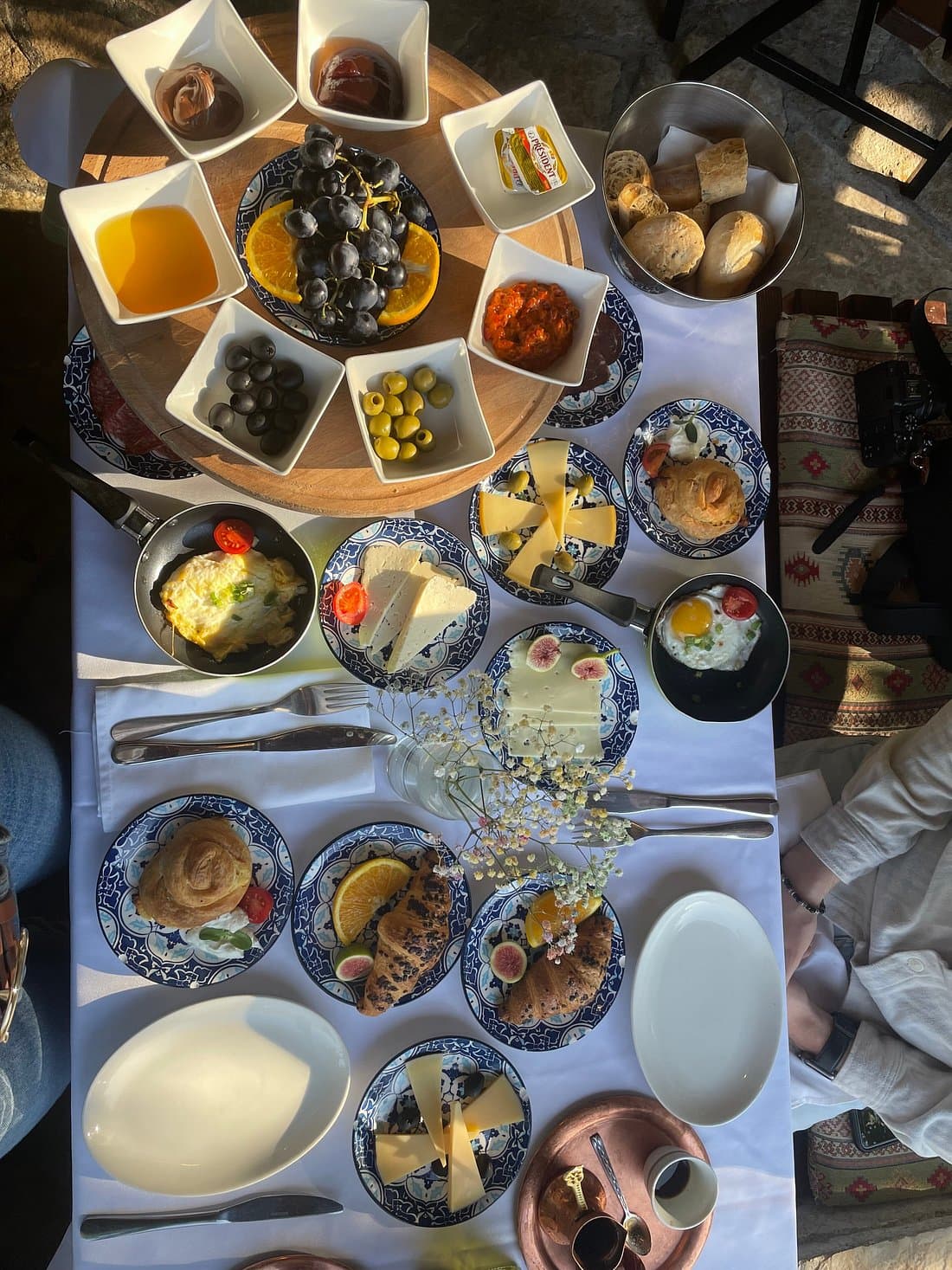
Herzegovinian Breakfast
TraditionalA Herzegovinian breakfast in Mostar leans generous and savory, with local cheeses, cured meats, eggs, olives, bread, fruit, and small spreads laid out to share slowly at the table.
Breakfast spreads across Bosnia and Herzegovina vary by region, and in Herzegovina they often reflect the warmer climate with olives, fresh produce, and dairy alongside breads and eggs.
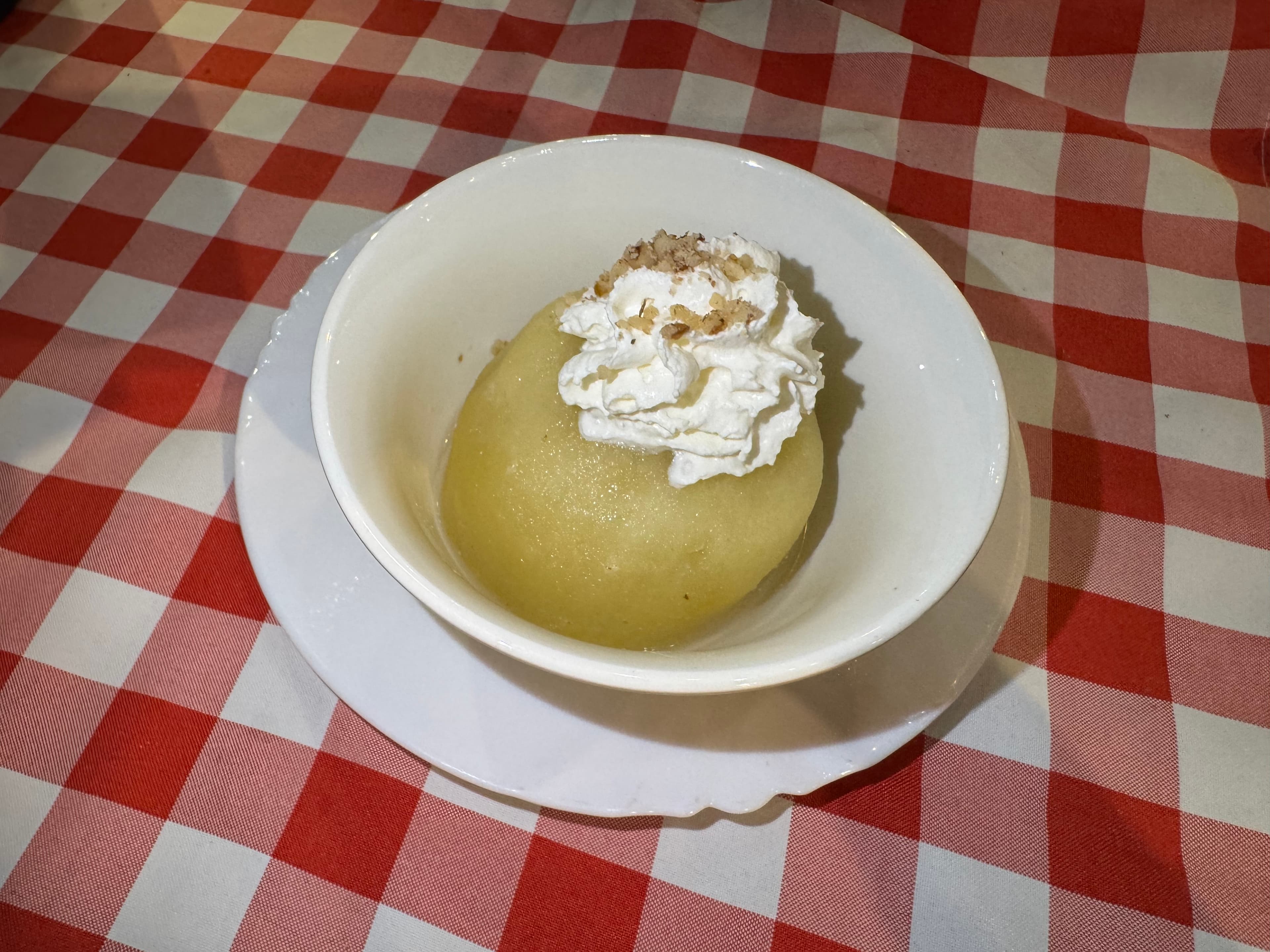
Tufahija
TraditionalTufahija is a poached apple dessert filled with walnuts and often topped with whipped cream, offering a softer, lighter Bosnian sweetness than the heavier syrup cakes nearby.
The dessert is linked to Ottoman-era sweet traditions, where fruit, nuts, and syrup often came together in elegant, home-style desserts.
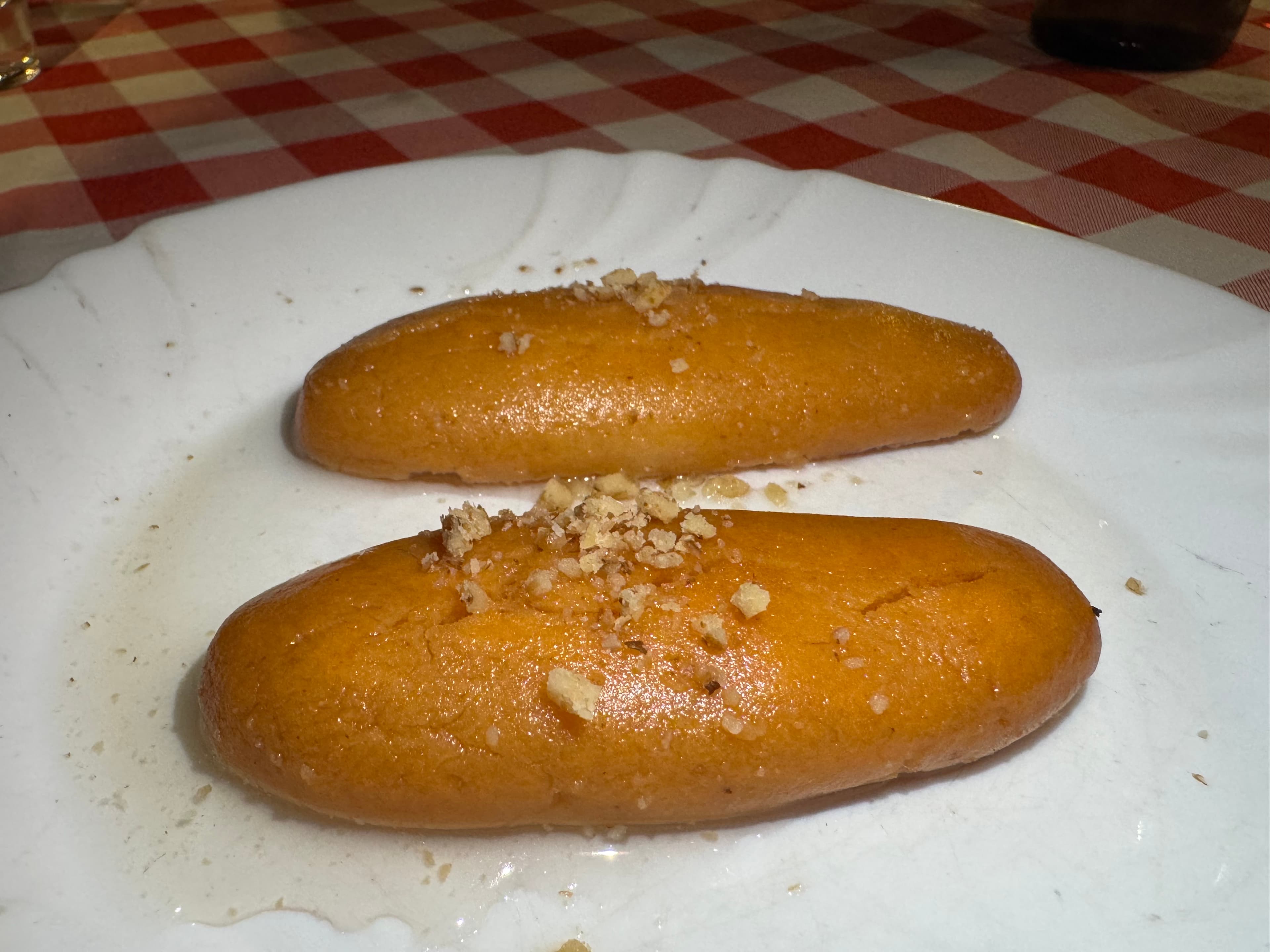
Hurmašica
TraditionalHurmašica are ridged little Bosnian syrup cakes that drink up a sweet soak after baking, leaving them tender, glossy, and deeply nostalgic.
Their grooved shape is not just decorative; it helps the syrup cling to every bite.
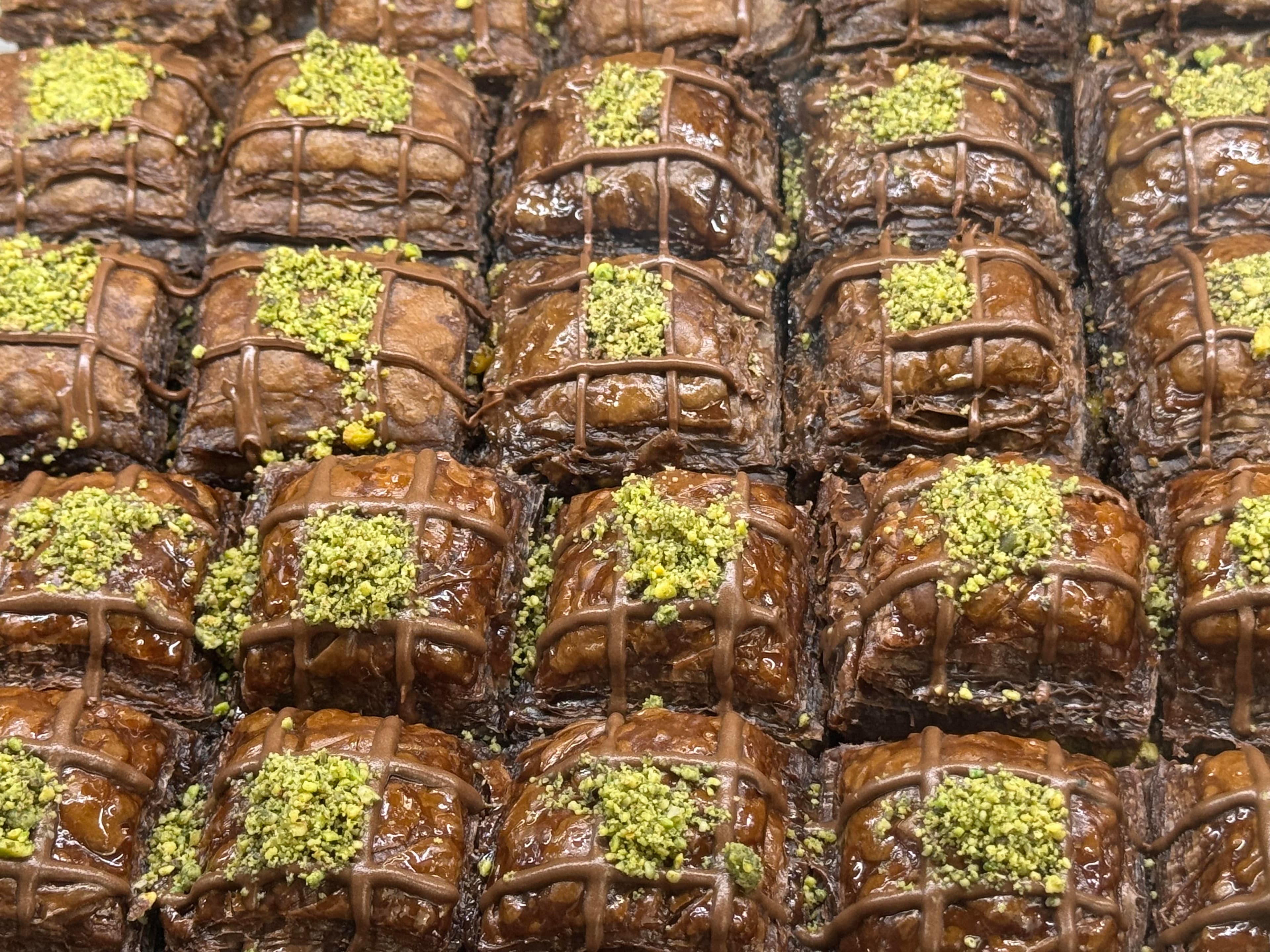
Baklava
TraditionalMostar's baklava leans into the Bosnian-Ottoman sweet tradition with layered pastry, chopped nuts, butter, and syrup baked until crisp at the edges and sticky at the center.
Across the Balkans and former Ottoman lands, baklava changes subtly by city, with different nuts, cuts, and syrup styles signaling local preference.
Ružica
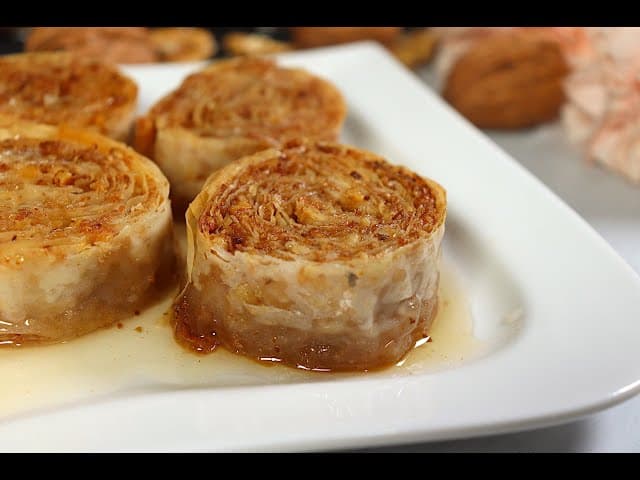
TraditionalRužica is a rose-shaped Bosnian pastry, often syrup-soaked and decorative, showing how local dessert culture balances presentation with rich, old-school sweetness.
The name means 'little rose,' which reflects the pastry's flower-like shape as much as its delicate dessert-table role.
Kadaif
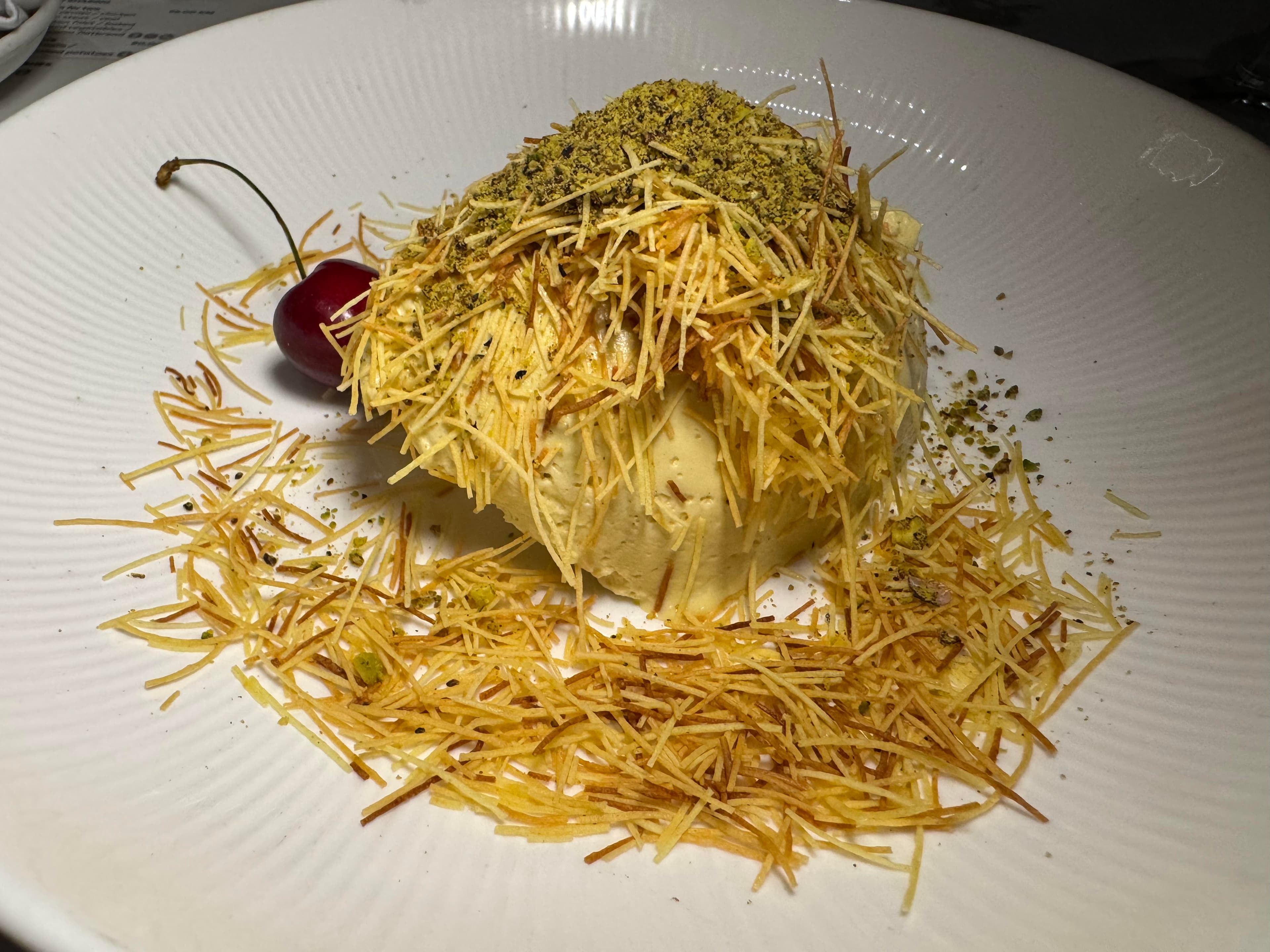
TraditionalKadaif in Mostar carries the Ottoman dessert tradition into Herzegovina with fine shredded pastry, butter, nuts, and syrup, served as a rich, delicate sweet after grilled meats or coffee.
Across Bosnia and the wider former Ottoman world, kadaif shows up in several forms, but the signature texture always comes from hair-thin pastry that turns crisp where it bakes and soft where it catches syrup.
Smokvara
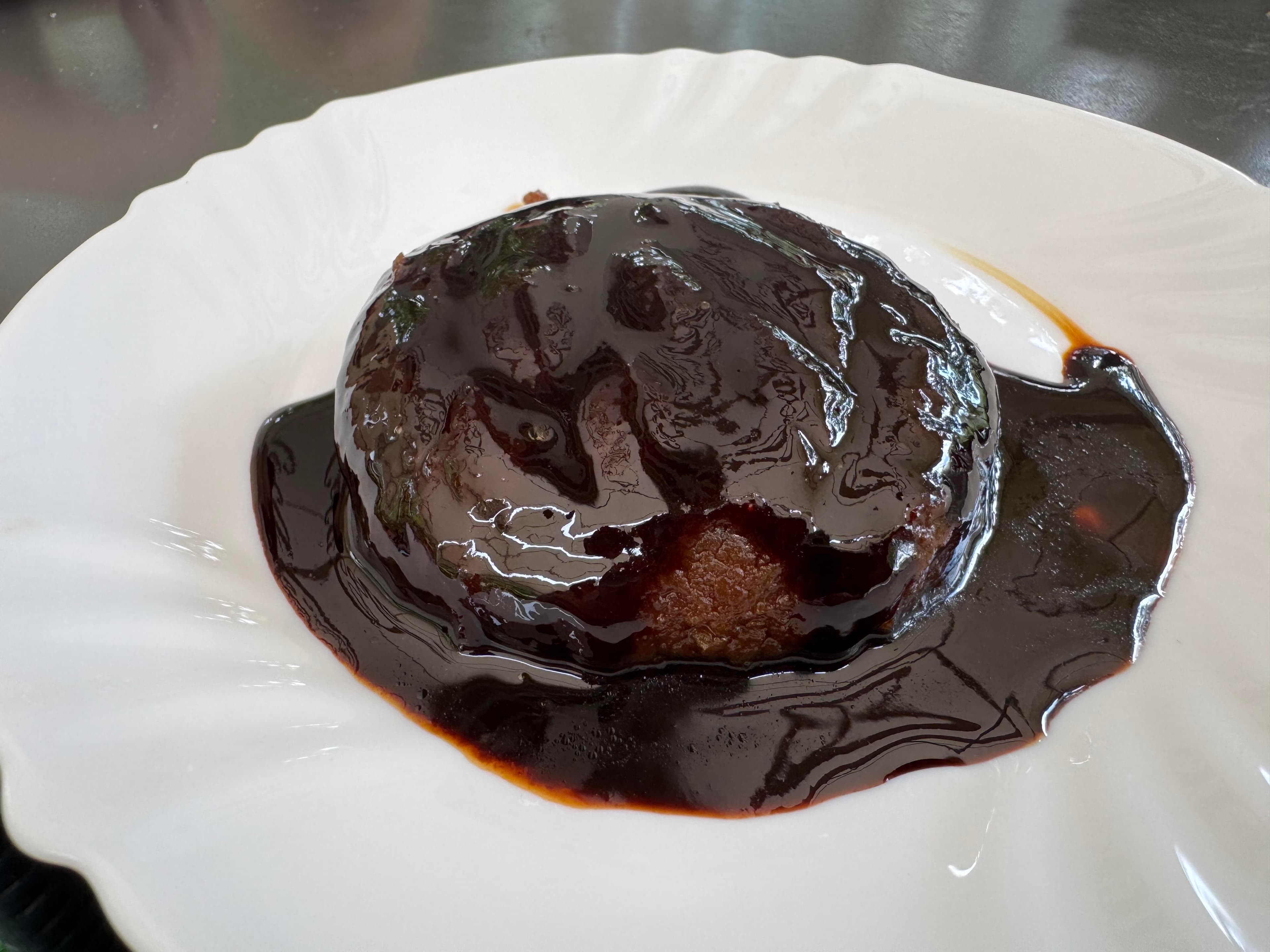
TraditionalSmokvara is a rich Herzegovinian fig dessert that leans into the region's love of dense, fruit-forward sweets, often built around dried figs, syrupy depth, and a dark glossy finish.
Fig desserts have long fit naturally into Herzegovina's landscape, where Mediterranean fruit, Ottoman sweet traditions, and cafe culture all overlap.
Bosnian Coffee
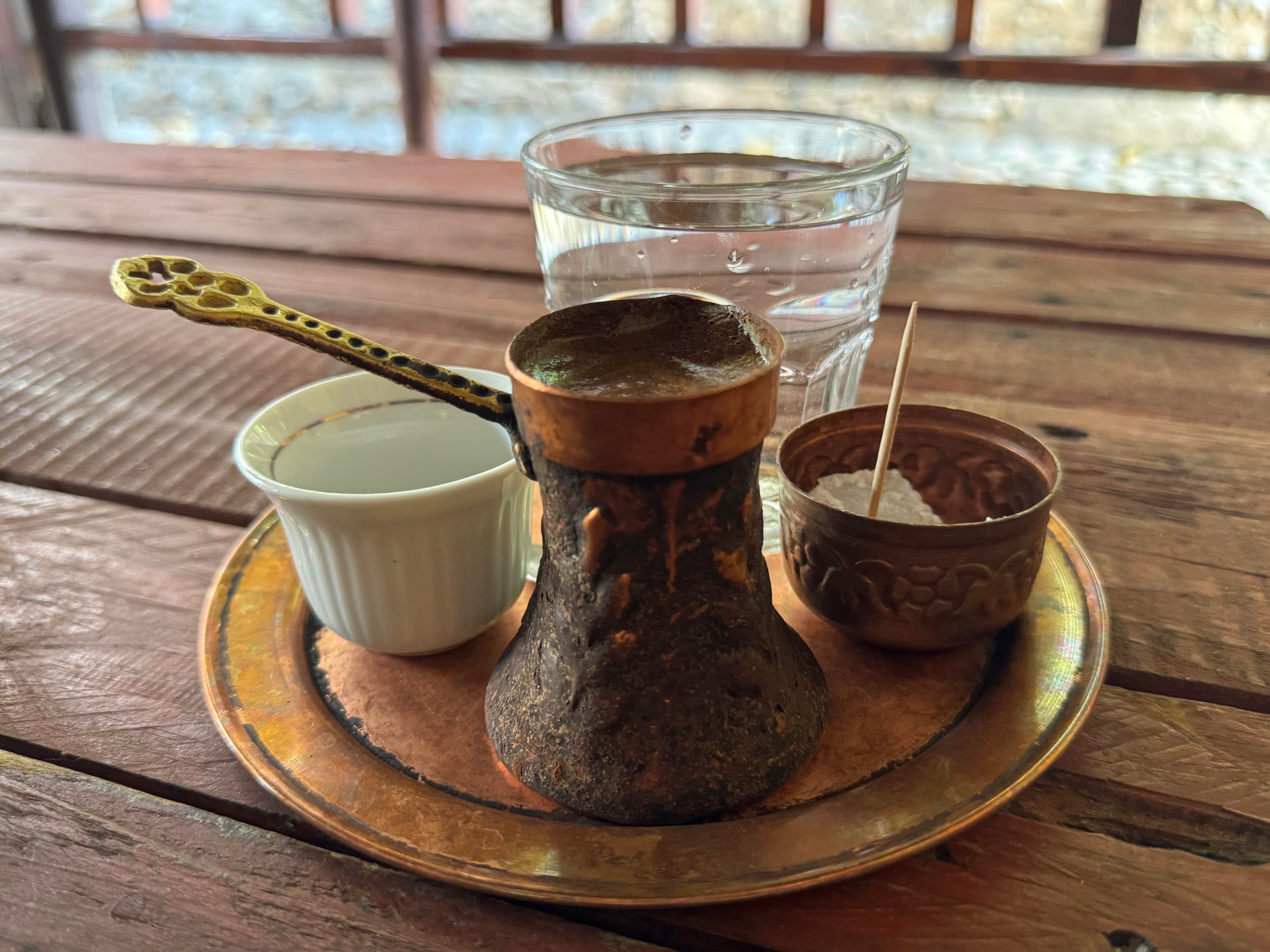
TraditionalBosnian coffee is served strong and unhurried, poured from a džezva into small cups and usually accompanied by sugar, rahat lokum, or slow conversation.
The ritual matters as much as the drink itself; Bosnian coffee is meant to be poured, sipped, and stretched into conversation.
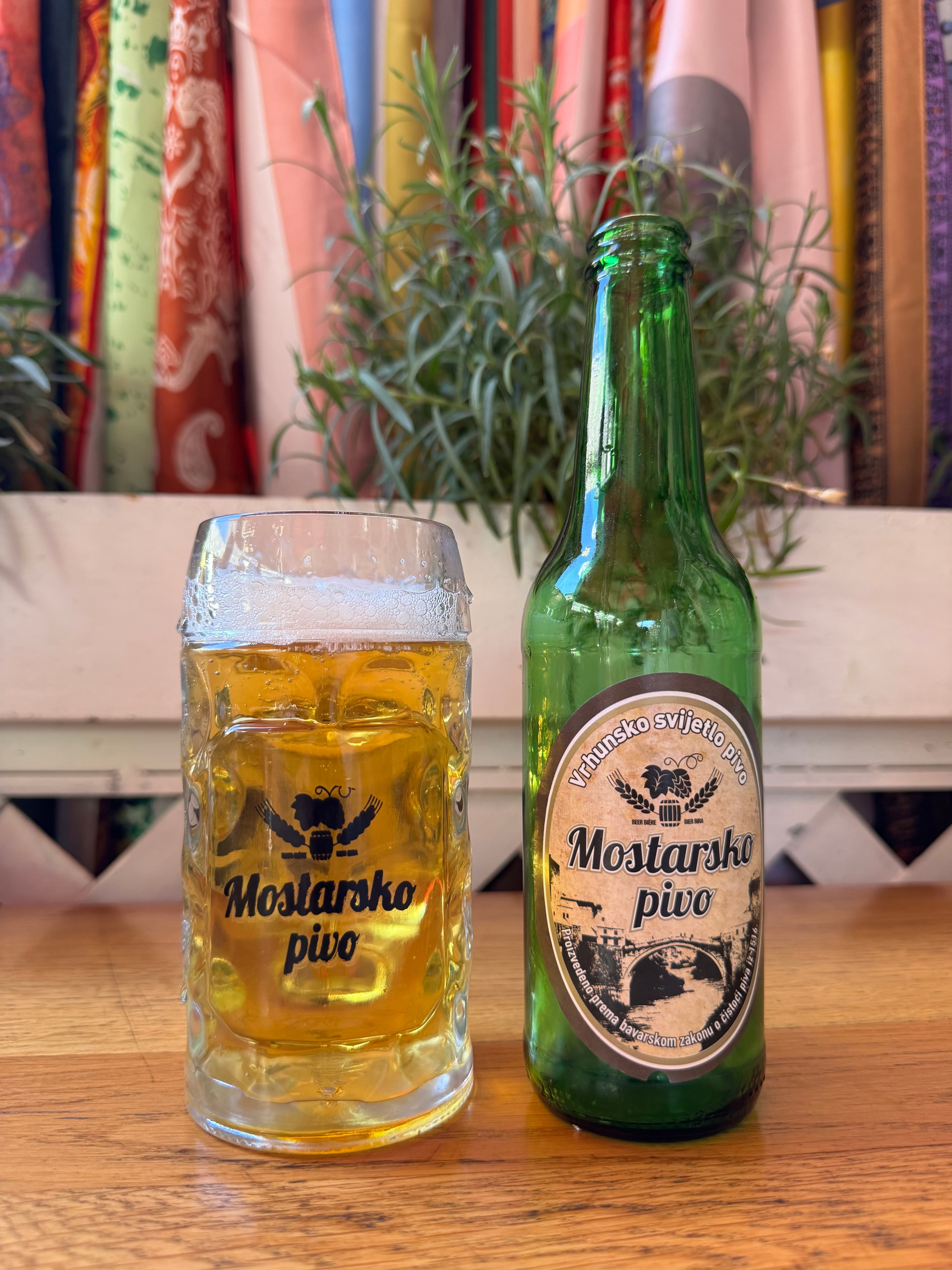
Mostar Beer
TrendyBeer has an easy place in Mostar's cafe and grill culture, especially cold local lagers poured alongside cevapi, rostilj, and long riverfront afternoons.
Mostar's warm Herzegovinian weather makes chilled beer a natural counterpoint to the city's grilled meats and sunny terraces.
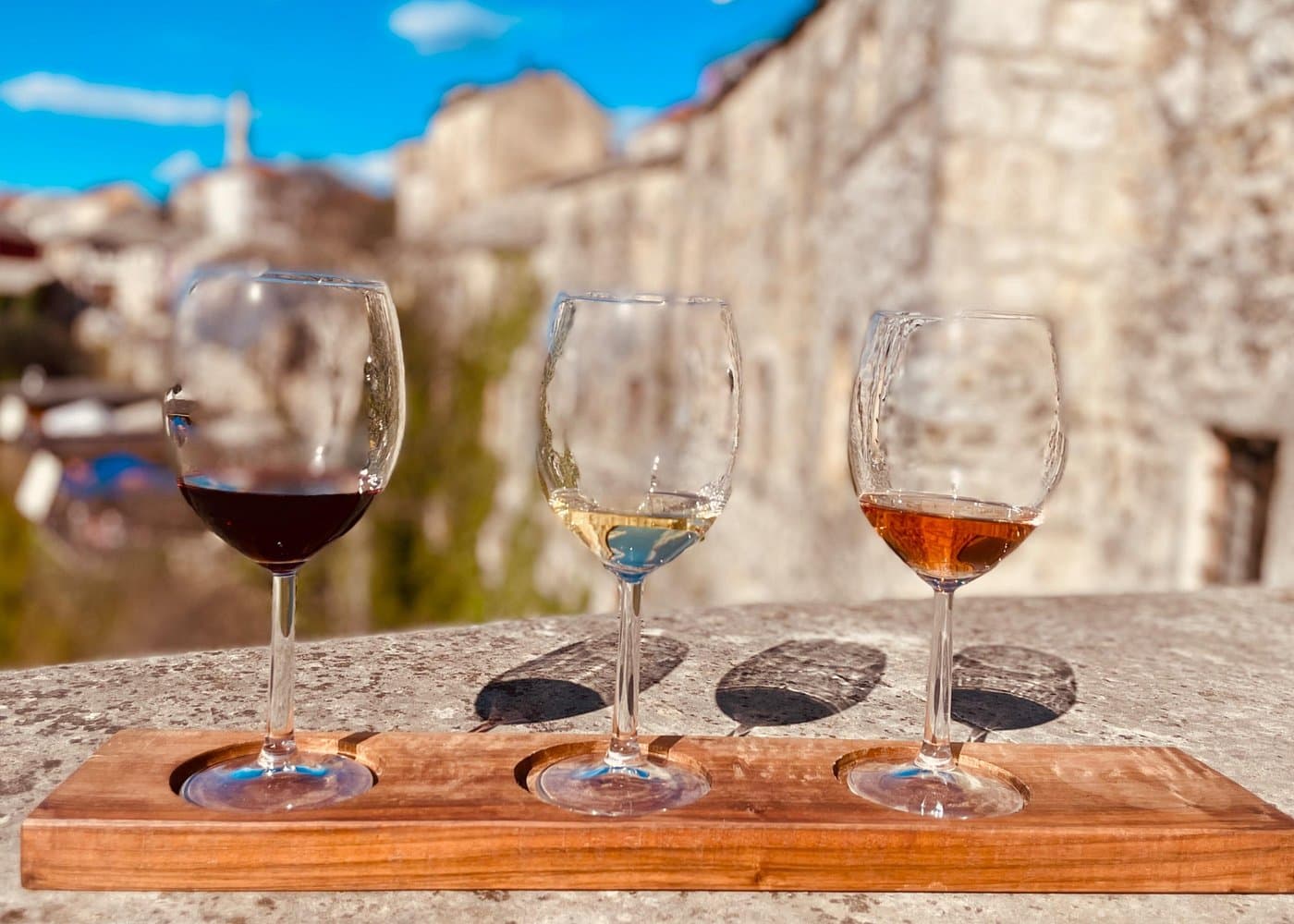
Herzegovinian Wines
TrendyMostar is one of the best gateways into Herzegovina's wine culture, especially crisp Zilavka whites and richer Blatina reds from the sun-soaked countryside nearby.
Zilavka and Blatina are the region's best-known native grape varieties and show up often on Herzegovinian wine lists.
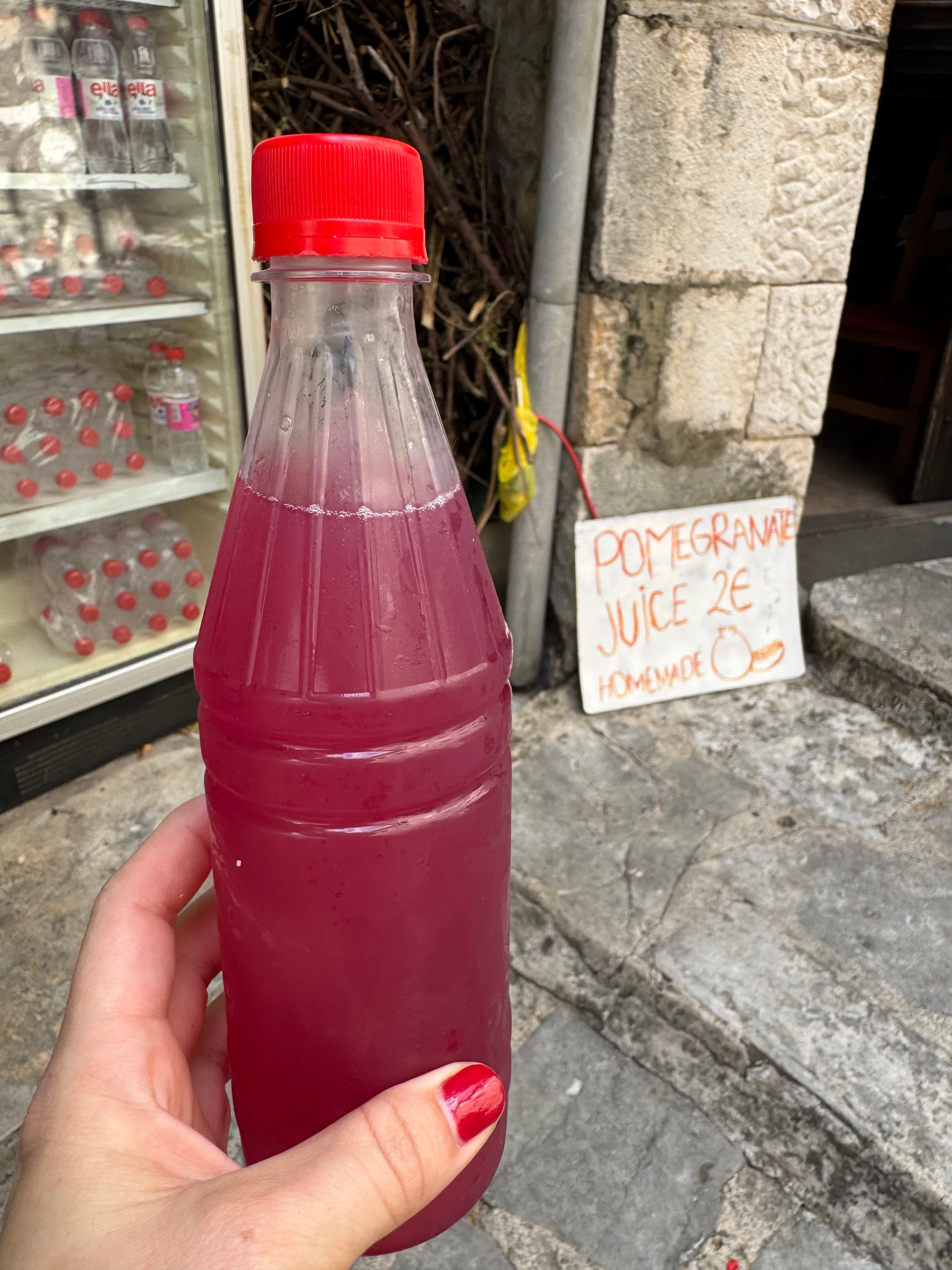
Fresh Pomegranate Juice
TraditionalFresh pomegranate juice is a bright, ruby-red refreshment that fits Mostar's hot weather perfectly, especially when local fruit is in season and pressed to order.
Herzegovina's warm climate supports excellent pomegranates, which is one reason fresh juice stands out so naturally in Mostar.