Dubrovnik
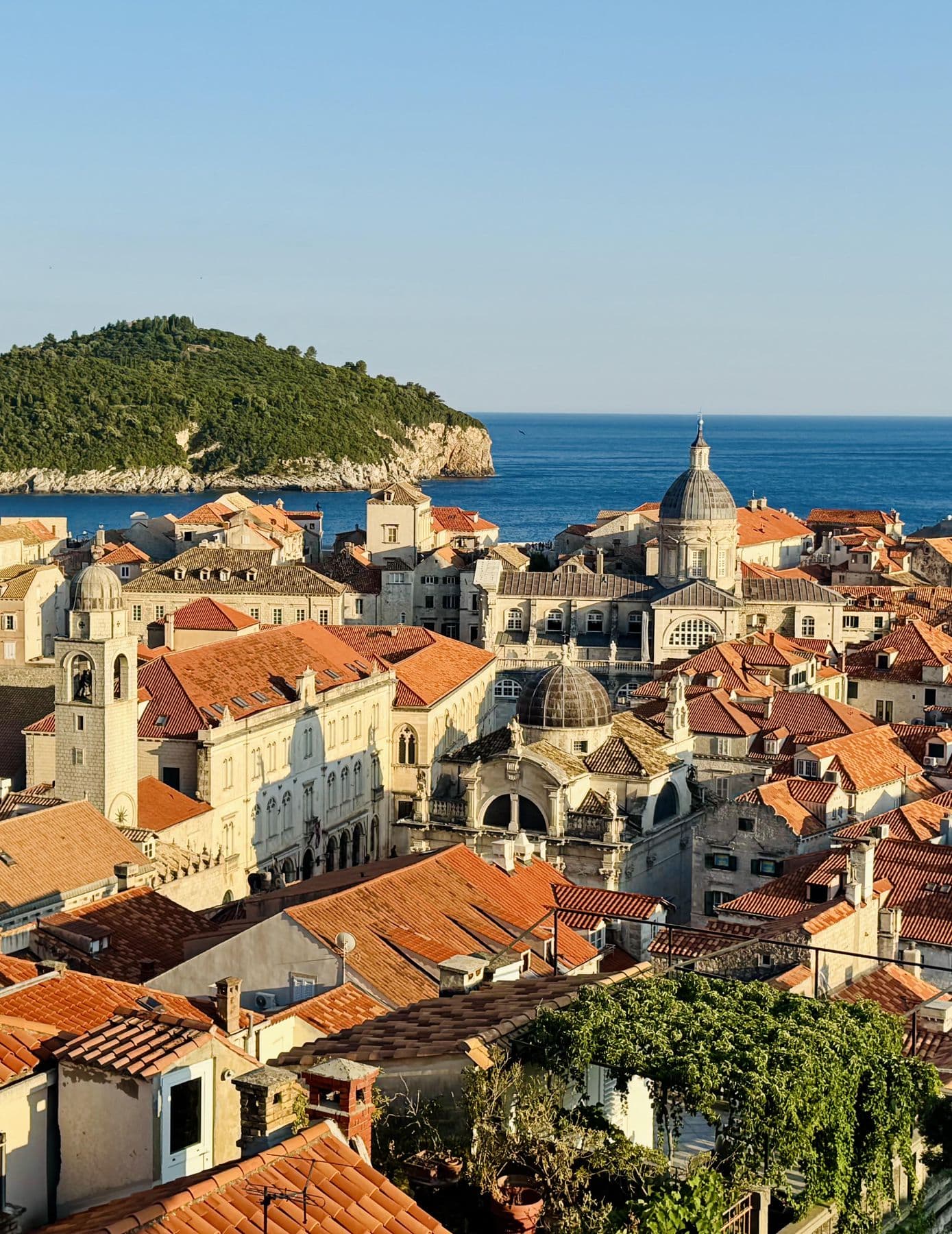
Dubrovnik eats like a fortified Adriatic harbor: seafood from the morning catch, old Ragusan pasta traditions, slow Dalmatian stews, and elegant desserts shaped by centuries of trade between Venice, the Balkans, and the Mediterranean.
What to Eat in Dubrovnik
15 iconic foods and the best places to find them
Black Ink Risotto
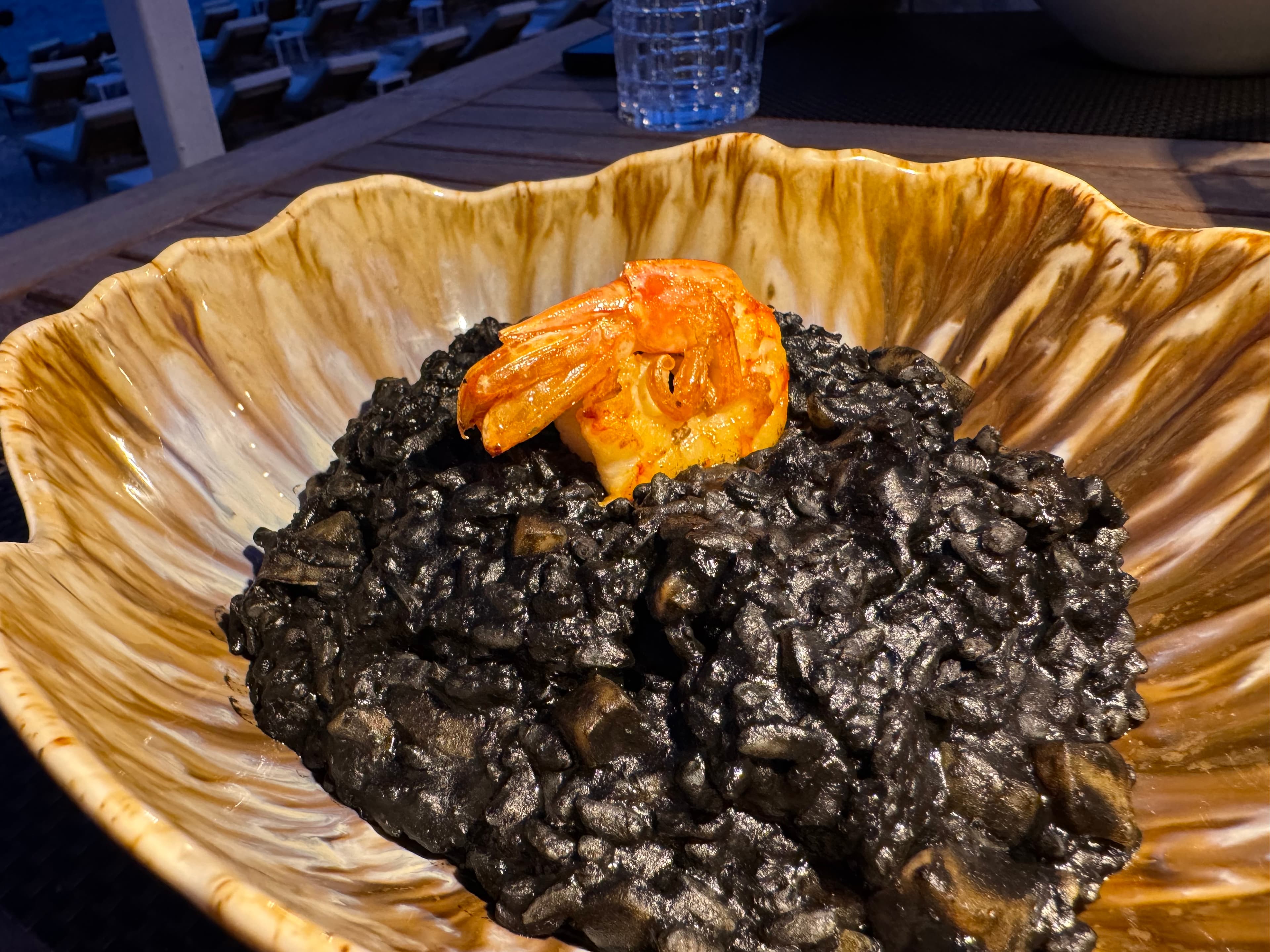
TraditionalCuttlefish ink turns this Dalmatian seafood risotto glossy black, briny, and deeply savory. In Dubrovnik, it is the dish to order when you want the Adriatic in a bowl.
Black risotto gets its dramatic color from cuttlefish or squid ink, a classic ingredient along the Croatian coast.
Sporki Makaruli
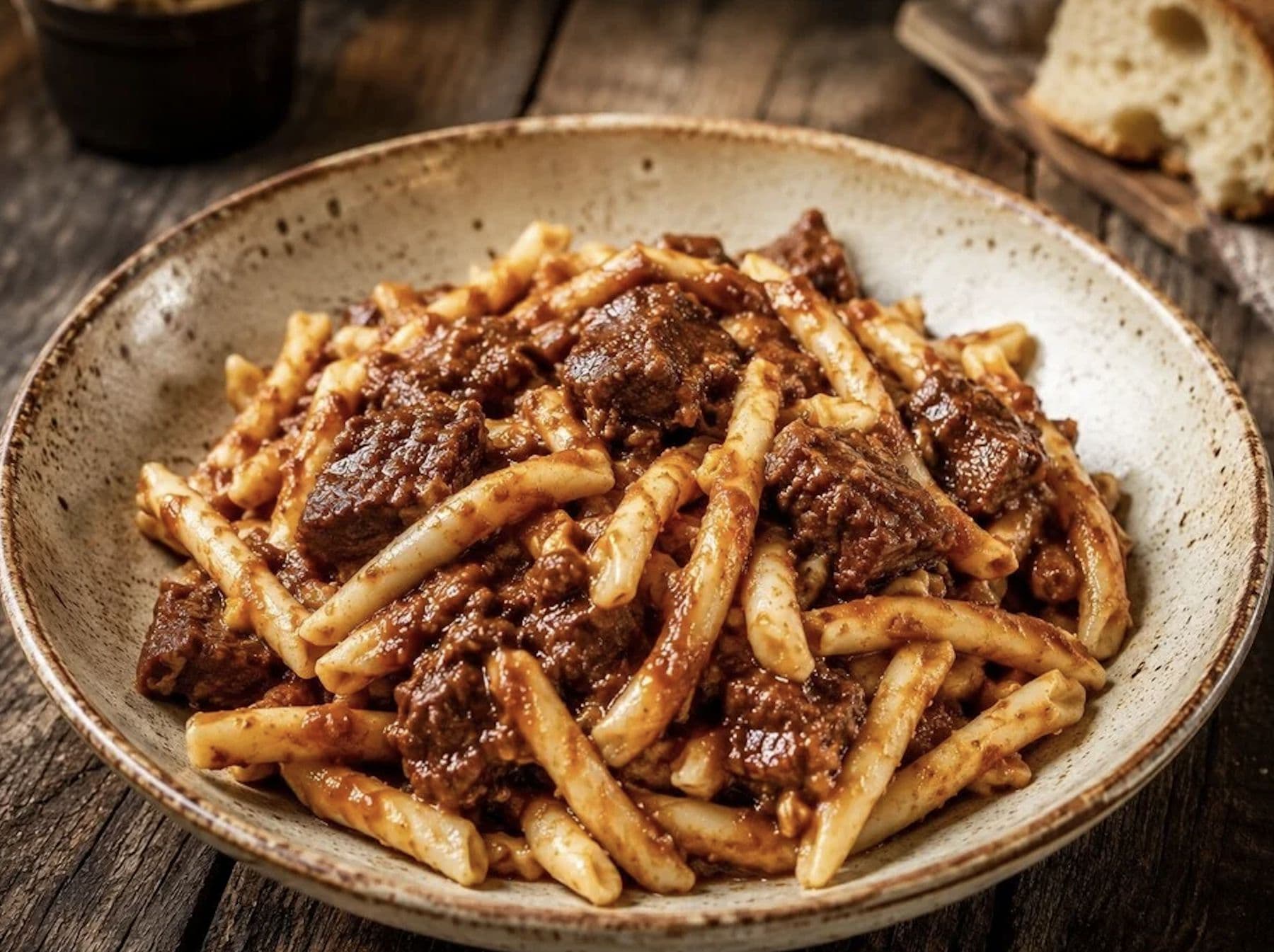
TraditionalDubrovnik's historic meat-sauce pasta, made with macaroni and a rich beef ragout scented with spices. The name means dirty macaroni, but the flavor is refined, festive, and deeply local.
Sporki makaruli is closely tied to Dubrovnik's Feast of Saint Blaise, when families traditionally served a large pot of the saucy pasta.
Capon (Kopun)
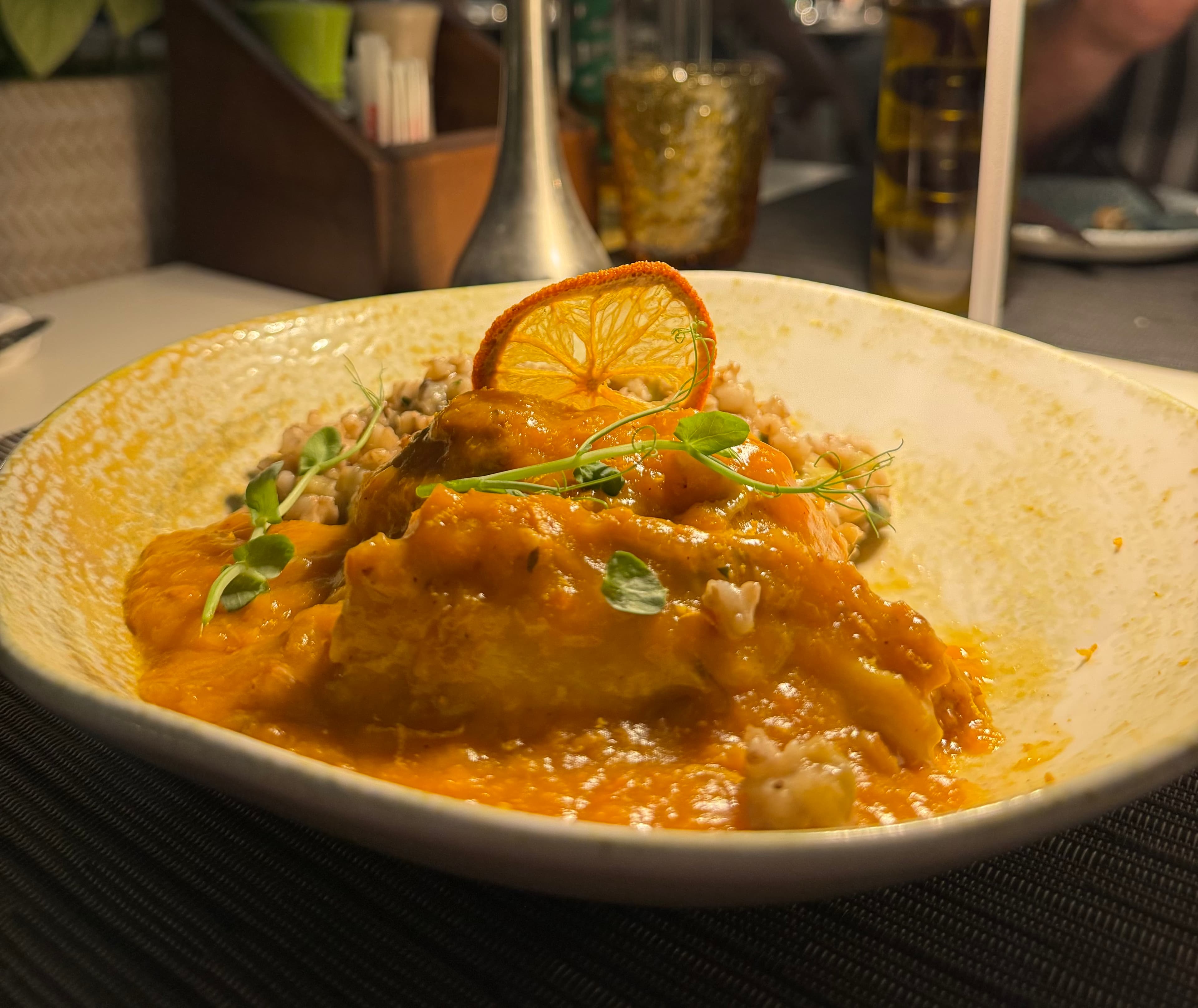
TraditionalKopun, or capon, is one of Dubrovnik's old celebratory poultry dishes. It shows up at more formal tables and older konoba menus, especially when the city leans into its Ragusan heritage.
Kopun was historically associated with feast-day cooking in the Dubrovnik area and is still treated as a more special-occasion poultry dish than everyday chicken.
Peka
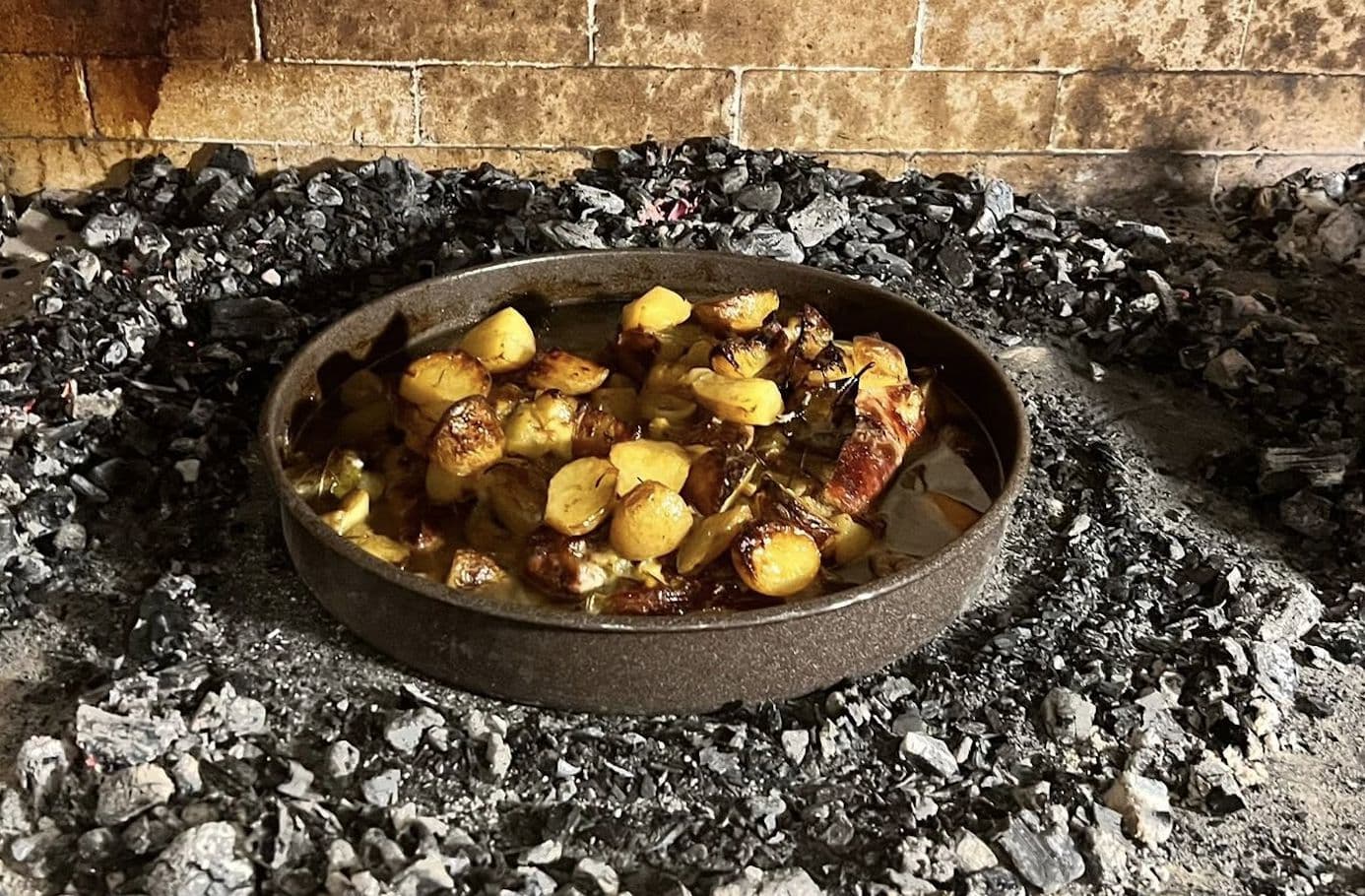
TraditionalPeka is the classic Dalmatian under-the-bell roast, usually meat or octopus cooked slowly with potatoes until everything turns soft, caramelized, and smoky. Around Dubrovnik, it is one of the most reliable orders when you want something deeply local.
Great peka is often pre-ordered because the point is the slow cooking time under the heavy metal bell, not fast service.
Pasticada
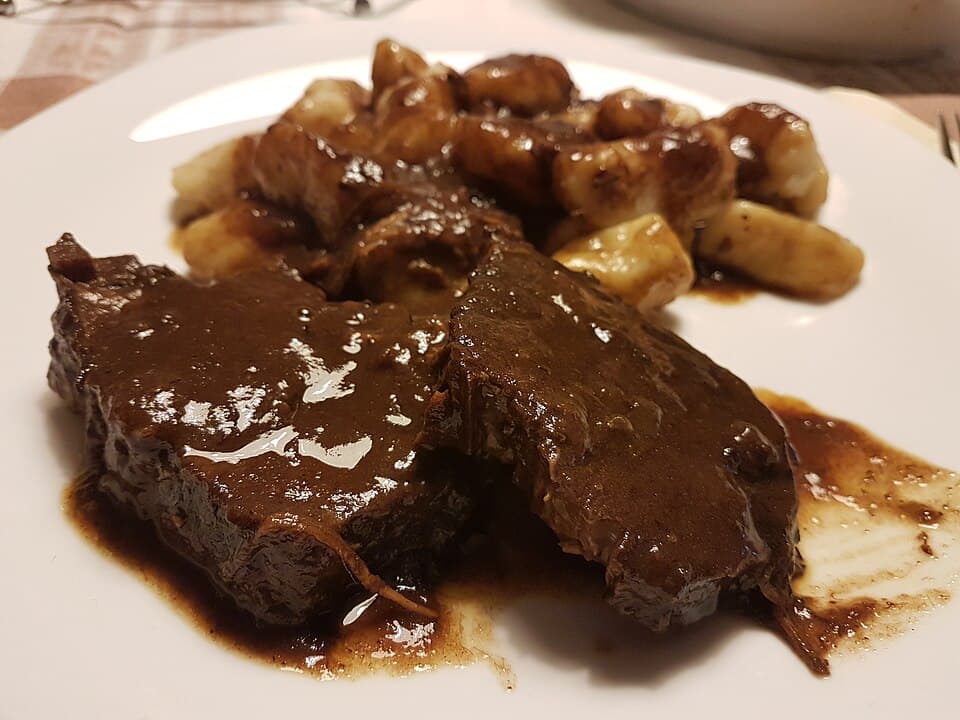
TraditionalDalmatian braised beef marinated with wine, vinegar, aromatics, and dried fruit until the sauce turns dark, sweet-sour, and luxurious. It is usually served with gnocchi.
Pasticada is a celebration dish across Dalmatia, often cooked for hours and served at weddings, holidays, and Sunday lunches.
Octopus Salad
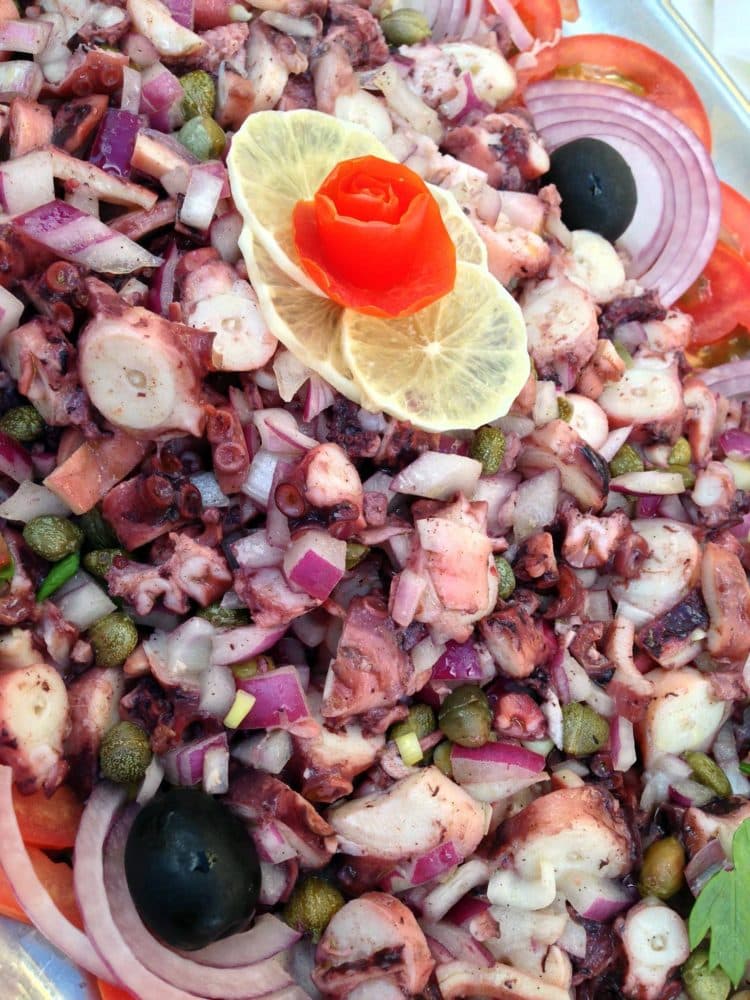
TraditionalOctopus salad is one of the cleanest ways Dubrovnik shows off Adriatic seafood: tender octopus dressed simply with olive oil, lemon, parsley, and often a little onion or potato. It reads more coastal and refreshing than heavy, especially in warm weather.
Across the Croatian coast, octopus salad is often served as a cold starter, letting the quality of the seafood and olive oil do most of the work.
Octopus Burger
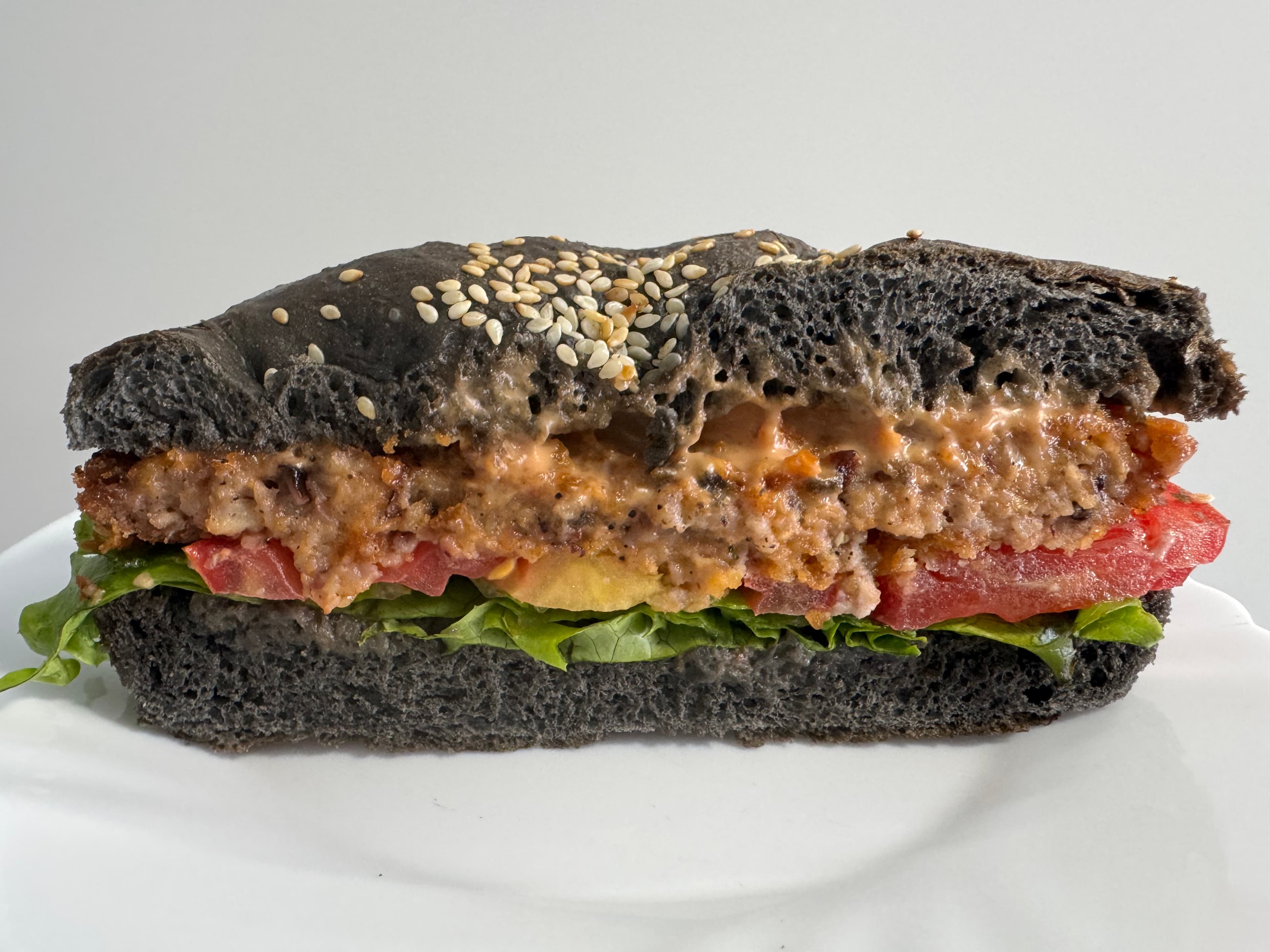
TrendyA newer Adriatic street-food move that turns grilled octopus into a burger-style sandwich. It leans playful rather than old-school, but the flavor still reads unmistakably coastal.
Octopus shows up all over the Adriatic, so modern Dubrovnik kitchens often turn it into sandwiches, burgers, and other fast casual dishes for visitors.
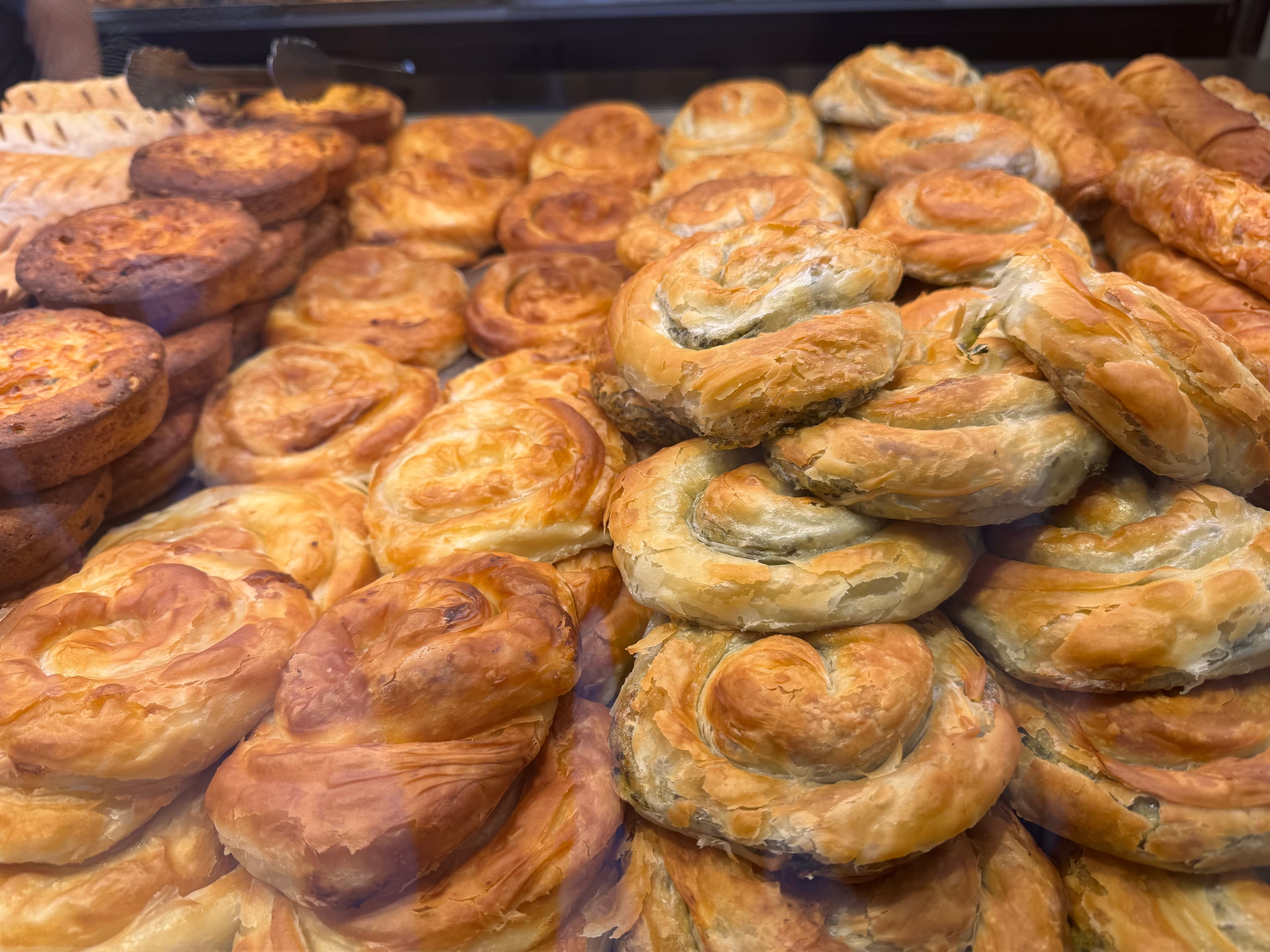
Spinach Borek
TrendyA flaky handheld pastry filled with spinach and cheese, sold as an easy savory bite when you want something quick between walls-walking and beach stops. It is more everyday snack than formal meal.
Burek travels easily across the Balkans, so in Dubrovnik it works as a casual bakery stop rather than a sit-down signature dish.
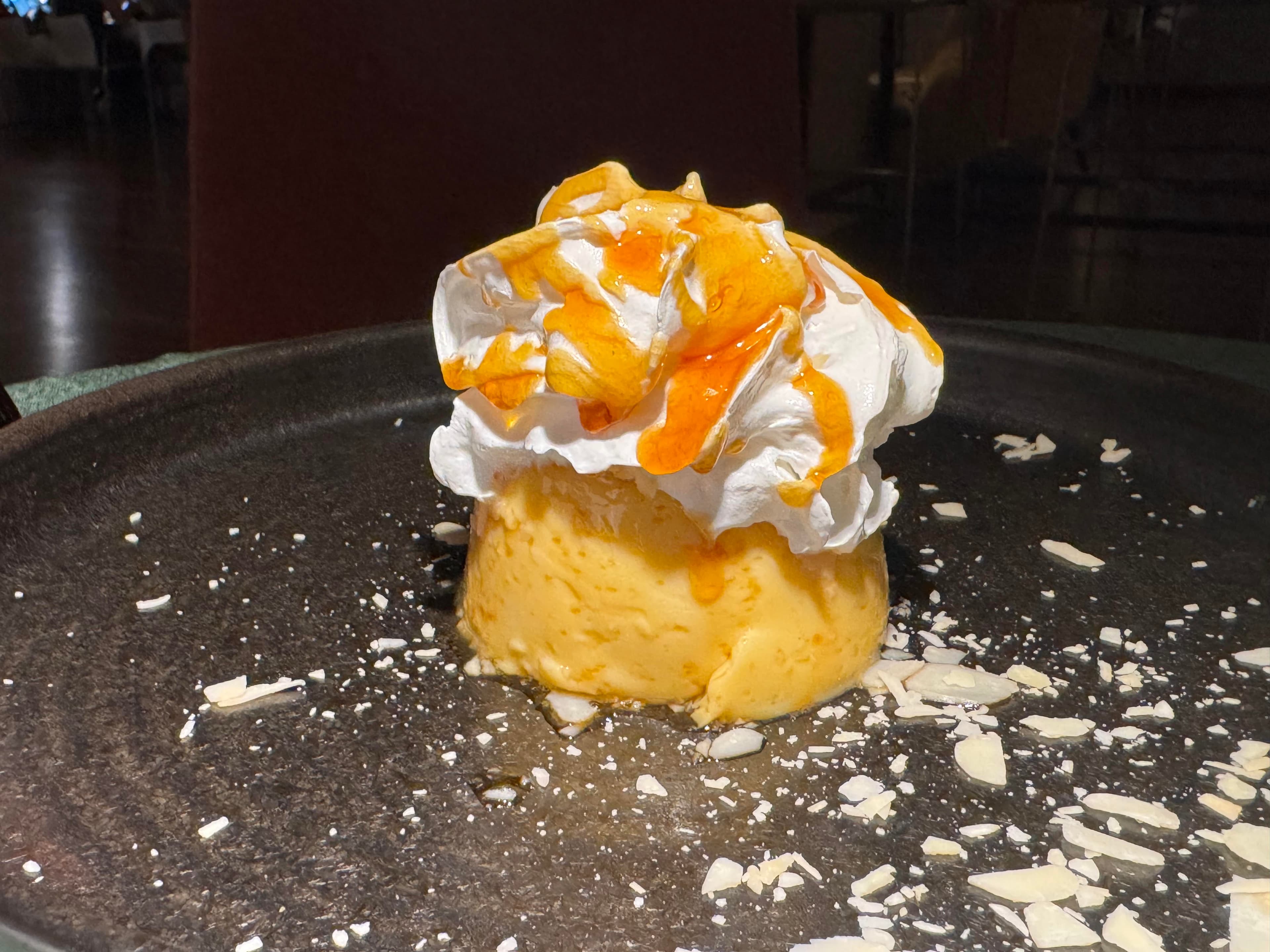
Rozata
TraditionalDubrovnik's silky caramel custard, similar to creme caramel but perfumed with rose liqueur or local aromatics. It is cool, delicate, and the classic sweet finish after a seafood meal.
Rozata is named for rozalin, a rose liqueur once used to scent the custard in Dubrovnik kitchens.
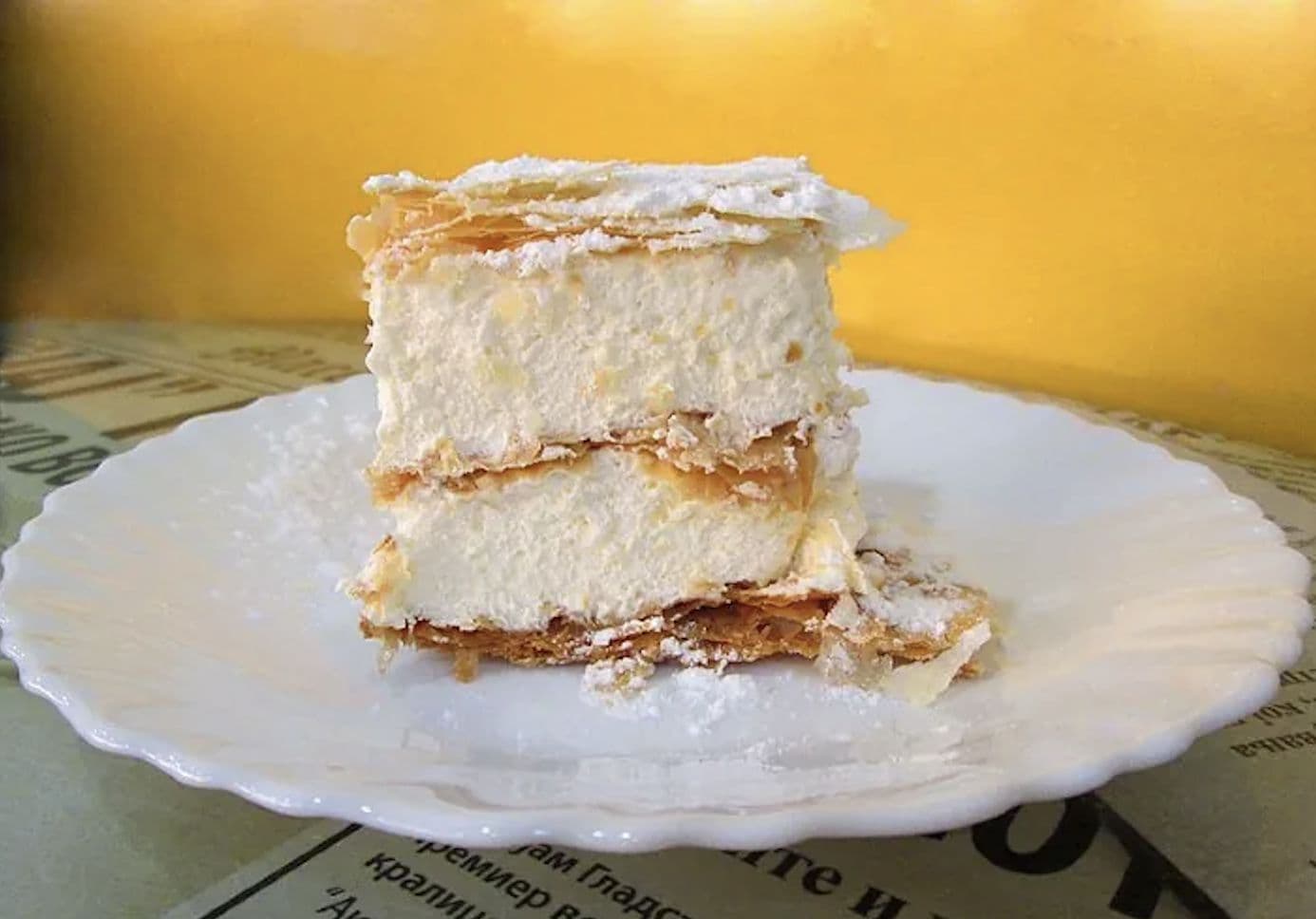
Krempita
TraditionalThis airy custard slice layers flaky pastry with a tall cloud of vanilla cream. In Dubrovnik it is one of those classic cafe-case desserts that locals never really stopped ordering.
Krempita is popular across the former Yugoslav region, but every city claims its bakery version has the lightest cream and flakiest layers.
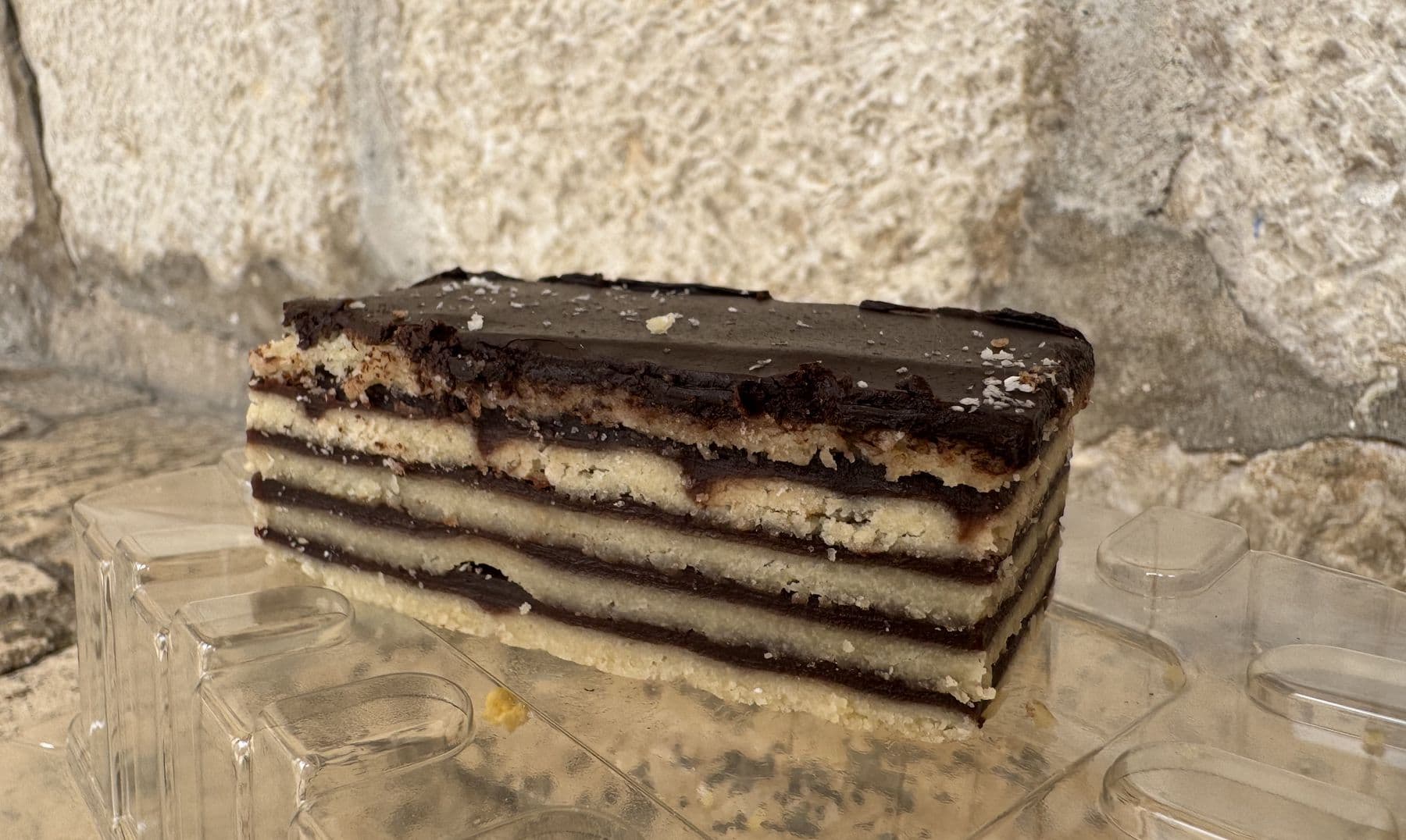
Madarica
TraditionalMadarica is a neat layered slice built from thin pastry sheets and chocolate filling. It is the kind of tidy, old-school tray dessert that still feels at home next to coffee in Croatia.
The name means Hungarian woman, but in Croatia the dessert is now fully naturalized into the regional repertoire of layered home-baked cakes.
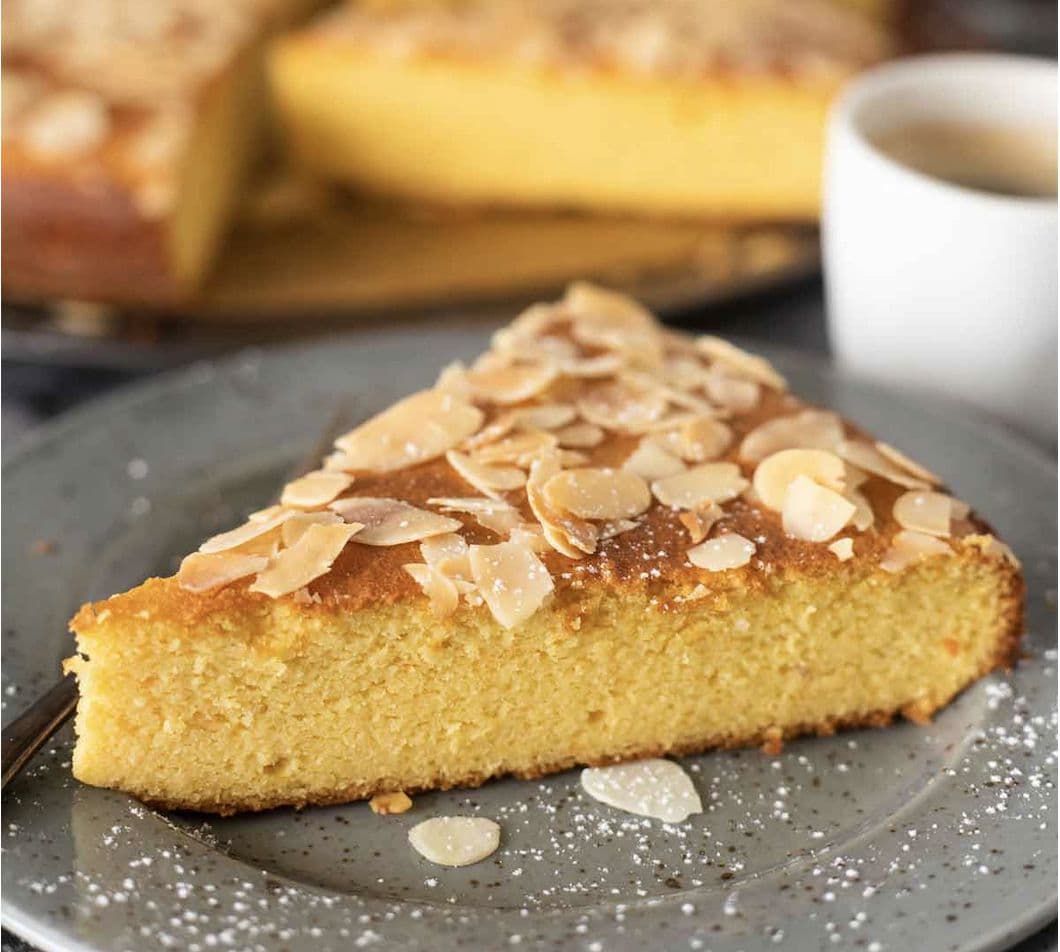
Orange and Almond Cake
TraditionalDubrovnik's orange and almond sweets reflect the city's old Mediterranean trading links, and this cake is one of the clearest examples. Expect a dense, fragrant crumb brightened with citrus rather than an overly frosted bakery cake.
Orange and almond cakes echo Dubrovnik's old pantry: citrus from the southern Adriatic and almonds that show up across Dalmatian convent sweets, holiday baking, and coffee-hour desserts.
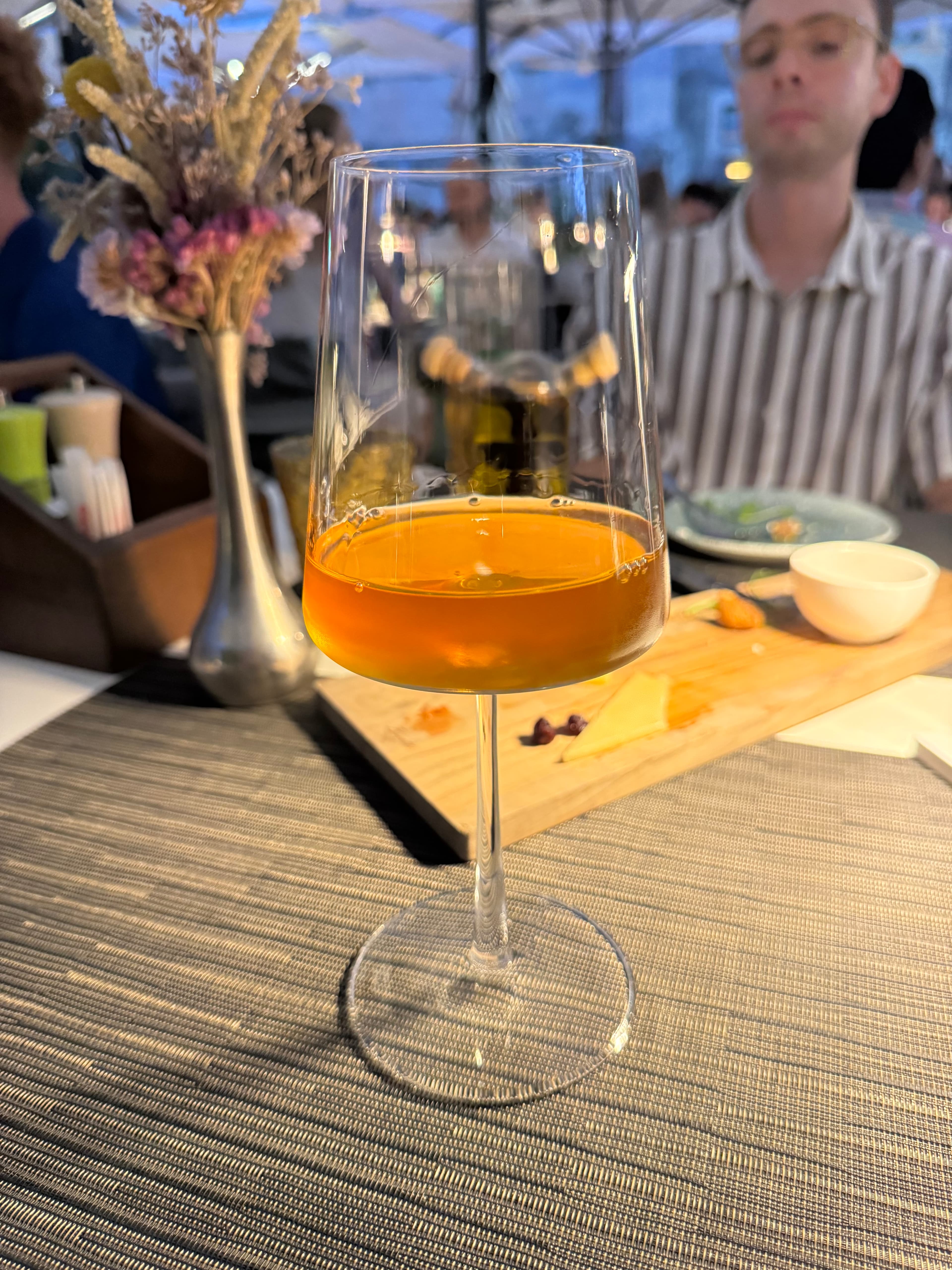
Orange Wine
TraditionalOrange wine shows up in Dubrovnik as a more distinctive Croatian pour, especially when bars lean into skin-contact whites from coastal producers. It drinks textured, savory, and a little wild, which makes it a fun counterpoint to all the seafood and cheese boards.
Orange wine gets its color from fermenting white grapes with their skins, a technique that gives the wine more tannin, grip, and amber color than a typical white.

Orange Peel Candy
TraditionalCandied orange peel is one of Dubrovnik's old sweet signatures, preserving citrus peel in syrup until it turns glossy, aromatic, and pleasantly bittersweet. It feels small, elegant, and deeply tied to the city's historic pantry.
Dubrovnik's long connection to citrus and confectionery traditions helped turn candied peel into one of the city's classic edible gifts and after-dinner sweets.
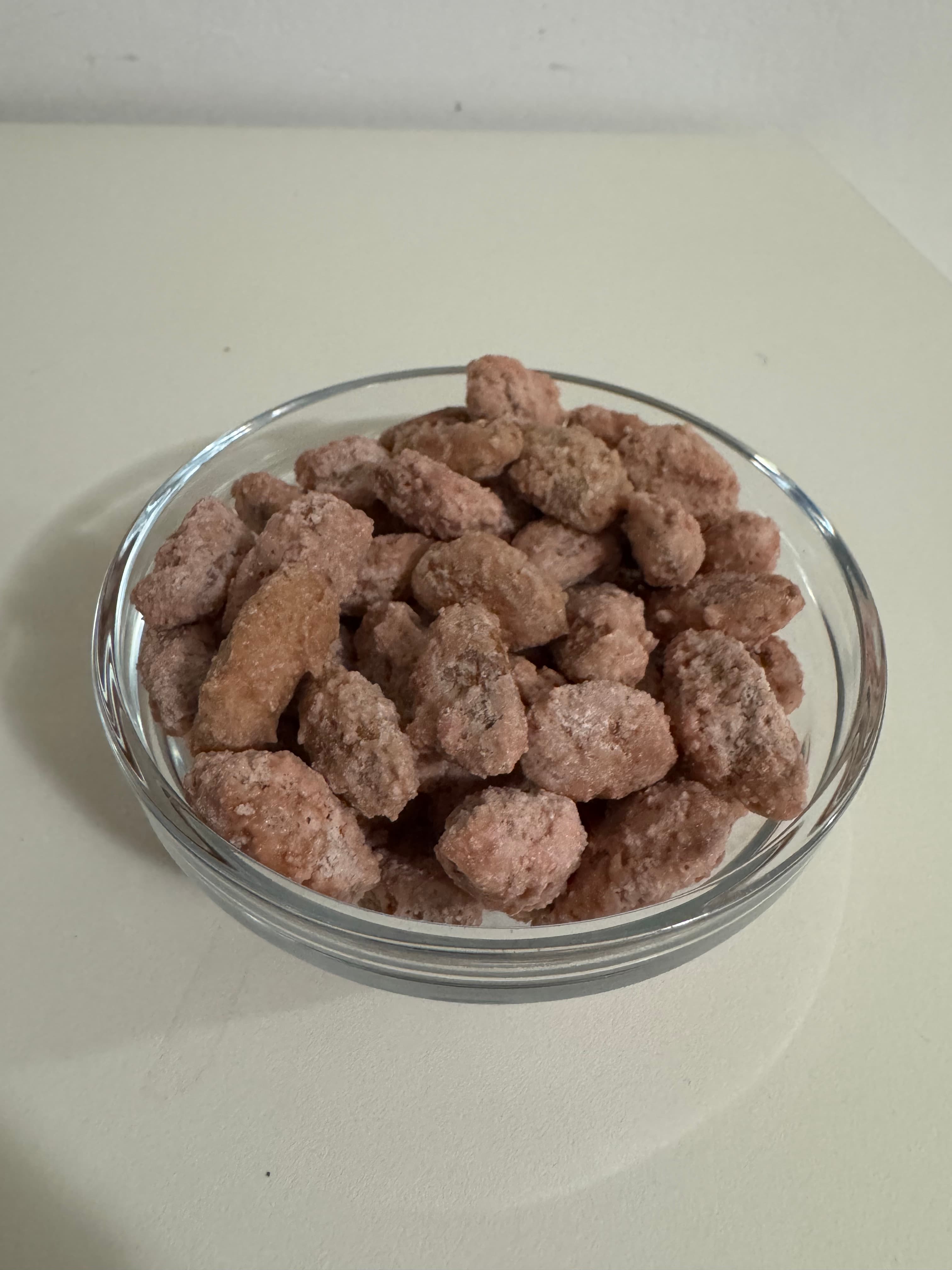
Candied Walnuts
TraditionalSweet glazed walnuts show up as old-fashioned Dubrovnik nibbling sweets, especially around holiday tables and dessert platters. They are simple, crunchy, and more about local tradition than novelty.
In Dubrovnik, walnuts show up constantly in sweets, so candied walnuts fit naturally into the city's old monastery-and-home-kitchen dessert tradition.