
Tokyo
Tokyo’s food scene is a thrilling blend of old and new. Edo-era street foods, pristine seafood, tucked-away noodle shops, smoky yakitori counters, delicate tea sweets, yoshoku comfort classics, and modern snack trends all shape the city’s way of eating. From centuries-old soba shops to viral desserts, glittering depachika food halls, ramen counters, and Michelin-starred temples of taste, Tokyo is a city where every meal feels like a discovery.
What to Eat in Tokyo
30 iconic foods and the best places to find them
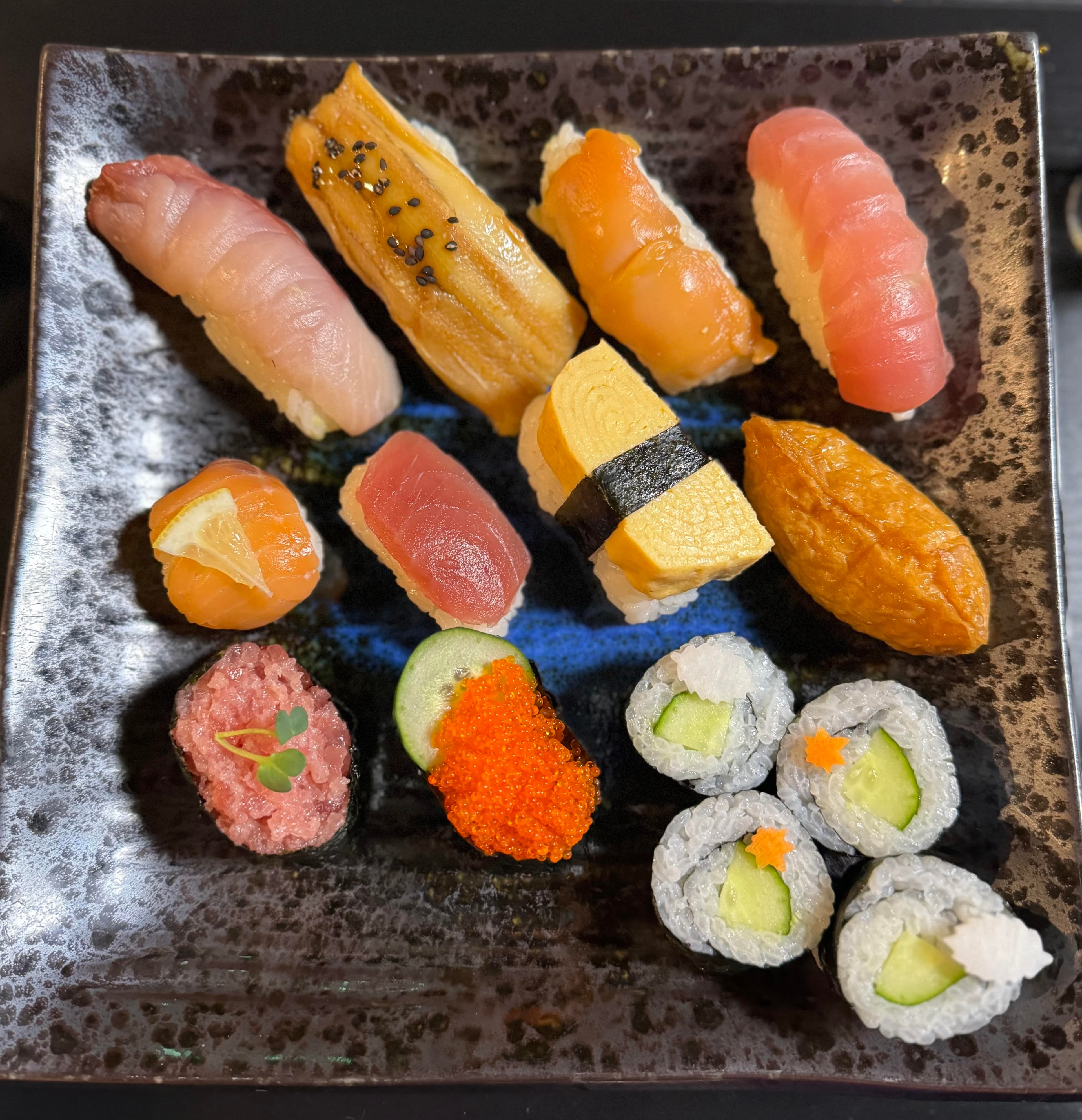
Edomae Sushi
TraditionalTokyo's signature sushi style: carefully seasoned rice topped with seafood prepared through curing, simmering, marinating, or brushing with sauce. It is precise, restrained, and deeply tied to the old Edo waterfront.
Nigiri sushi became popular in Edo in the 1800s as fast city food, using seafood from Edo Bay and preservation techniques that predated refrigeration.

Tokyo Shoyu Ramen
TraditionalA classic Tokyo bowl built around soy-sauce tare (seasoning sauce), clear broth, springy noodles, and toppings like chashu (braised pork), menma (seasoned bamboo shoots), scallions, and egg. It is lighter than tonkotsu (pork-bone broth) but still deeply savory.
Tokyo-style shoyu ramen grew from the city's chuka soba (Chinese-style noodle) shops, where wheat noodles met Japanese soy-seasoned broth.
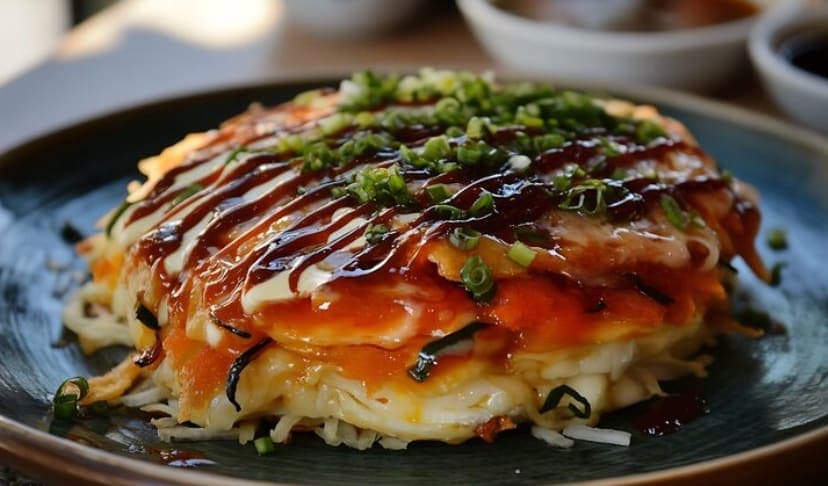
Okonomiyaki
TraditionalA savory Japanese pancake layered with cabbage, batter, and fillings like pork, seafood, or cheese, then finished with sweet-savory sauce, mayo, bonito flakes, and aonori (seaweed powder). Tokyo has its own griddled style, but travelers will also find Osaka- and Hiroshima-style versions across the city.
Okonomiyaki means roughly 'grilled as you like it,' a nod to how flexible the fillings and toppings can be.
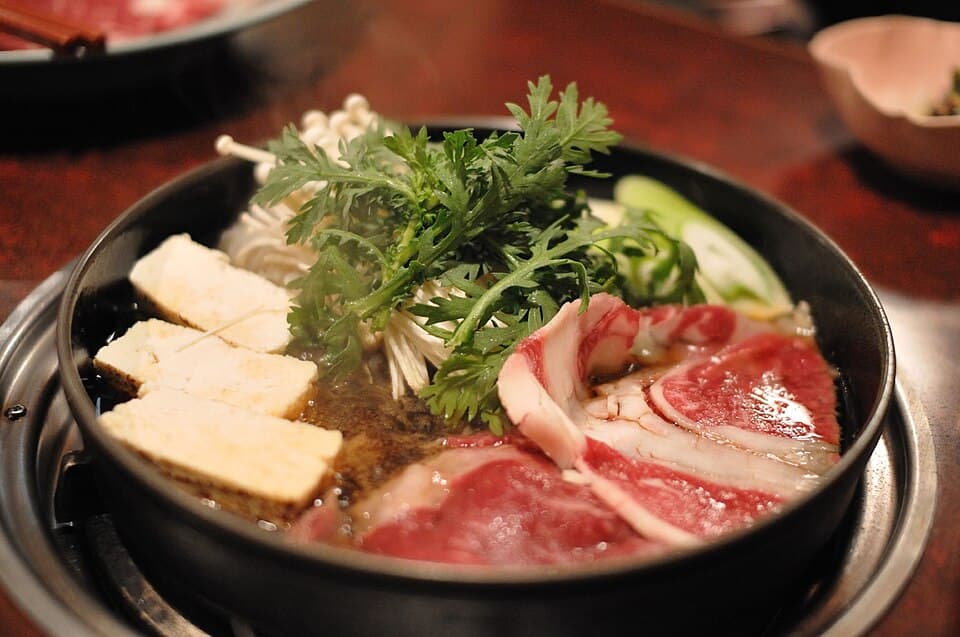
Sukiyaki
TraditionalThinly sliced beef simmered with tofu, leeks, mushrooms, and shirataki (konjac noodles) in a sweet-savory soy broth. It is a celebratory hot pot with deep roots in modern Japanese dining.
Sukiyaki became popular after Japan's Meiji-era shift toward eating beef, making it a symbol of changing tastes and modern restaurant culture.
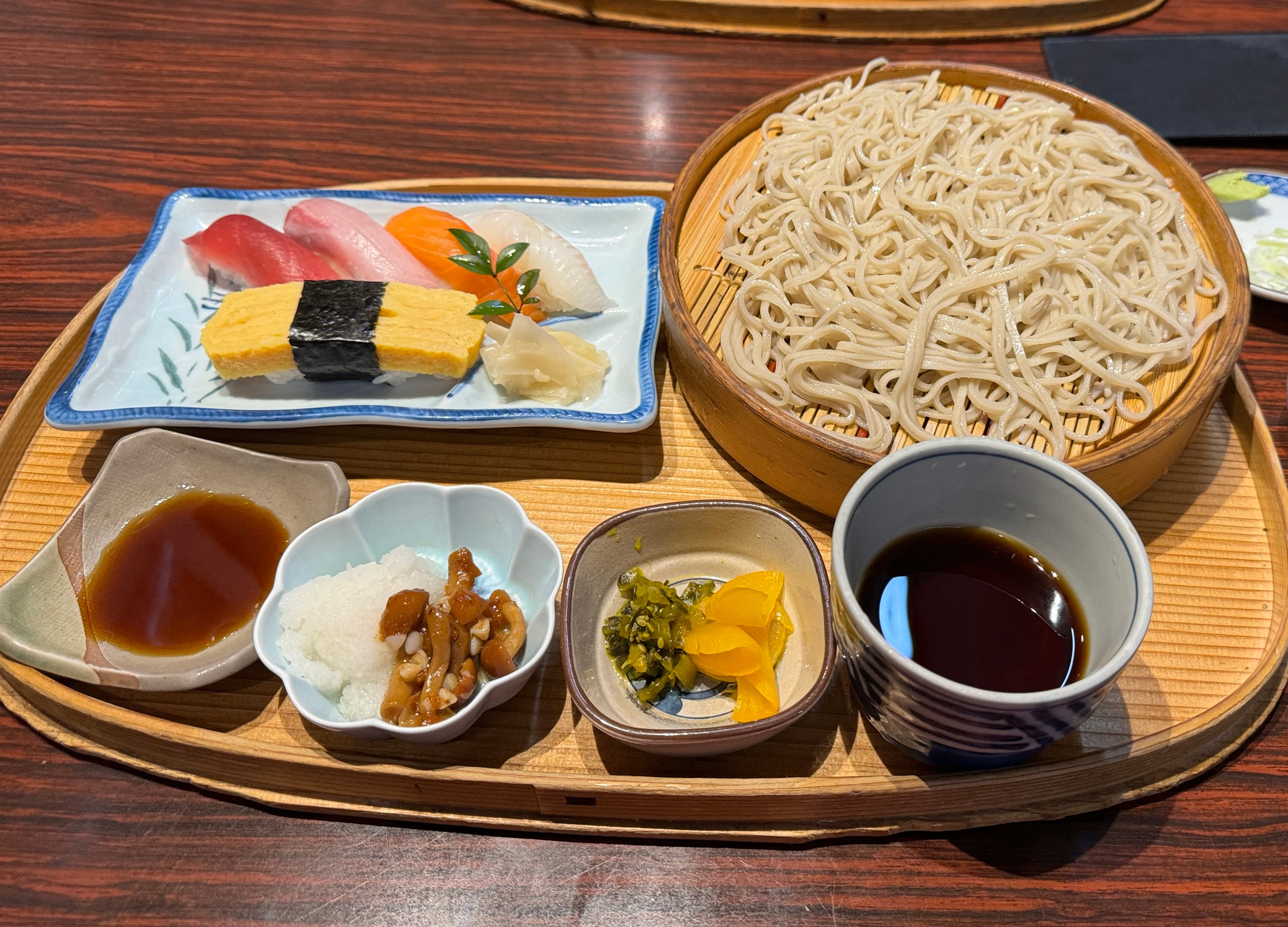
Soba
TraditionalBuckwheat noodles served chilled with dipping sauce or hot in broth. Tokyo's soba tradition moves easily from quick standing counters to quiet, centuries-old noodle shops.
Soba became one of Edo's everyday fast foods, prized for speed, fragrance, and the concentrated dipping broth known as tsuyu (soy-based dipping sauce).
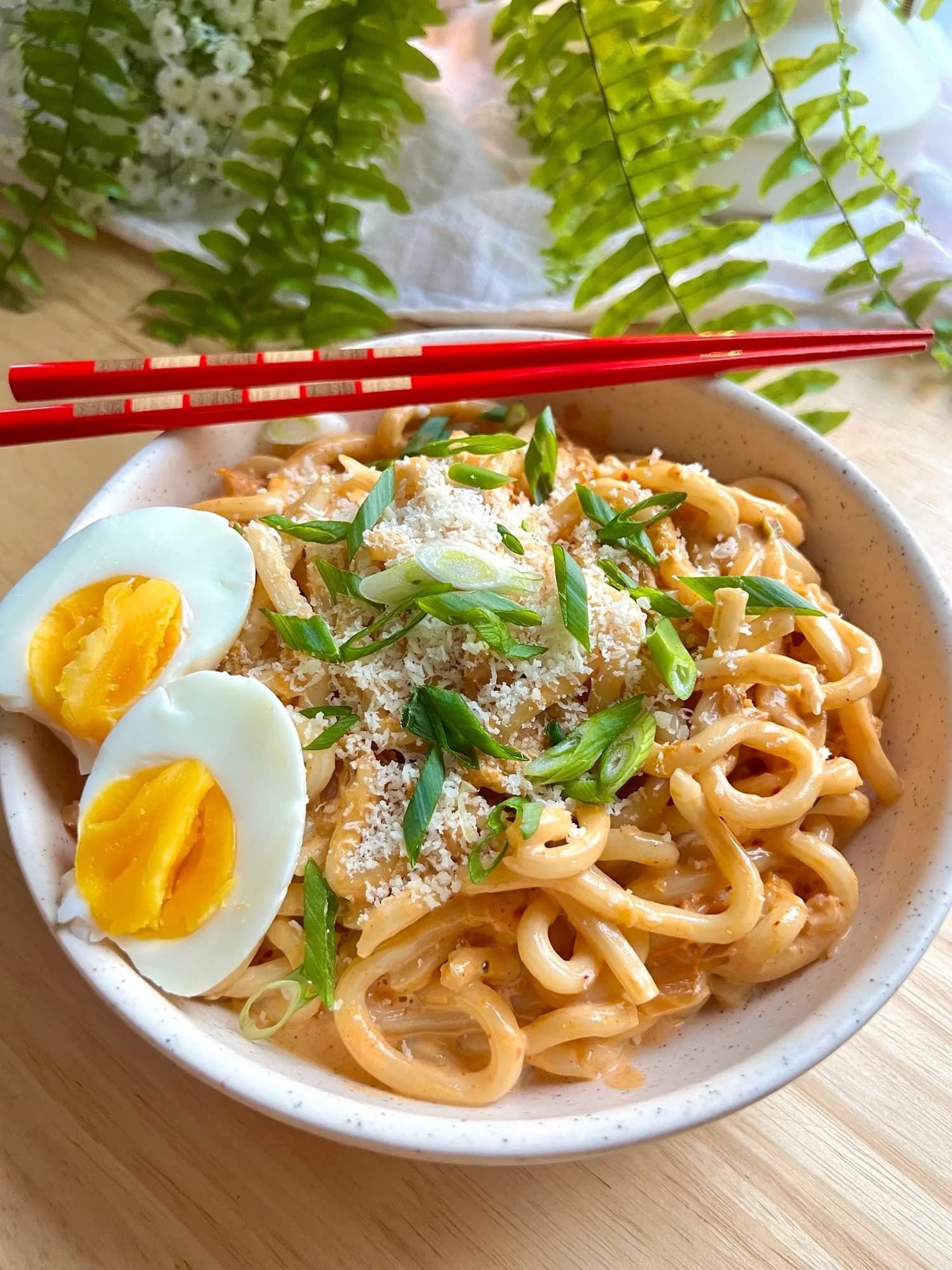
Udon
TraditionalThick wheat noodles served in broth, chilled with dipping sauce, or topped with tempura, curry, or egg. Tokyo's udon shops make the dish easy, filling, and endlessly adaptable.
Udon is eaten across Japan in regional styles, and Tokyo shops often lean into quick service, seasonal toppings, and comfort-food simplicity.
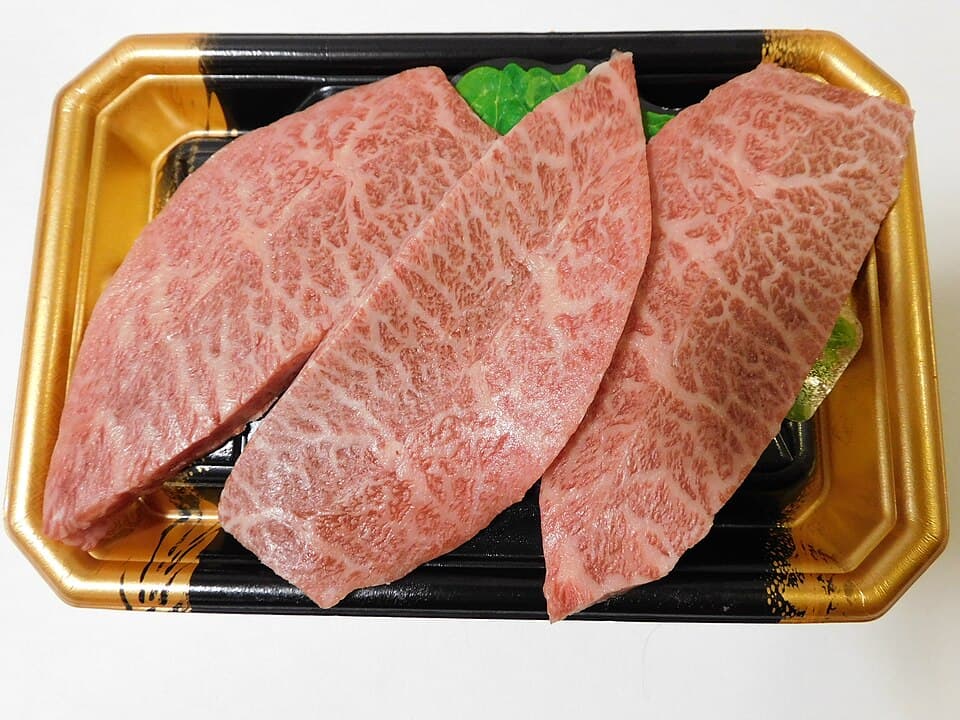
Wagyu Beef
TraditionalHighly marbled Japanese beef served as steak, yakiniku (grilled meat), sukiyaki (sweet-savory beef hot pot), or shabu shabu (swished hot pot). In Tokyo, it often appears as a splurge dish where texture and fat quality matter as much as seasoning.
Wagyu refers to Japanese cattle breeds known for intense marbling, and Tokyo restaurants showcase beef from regions across Japan.
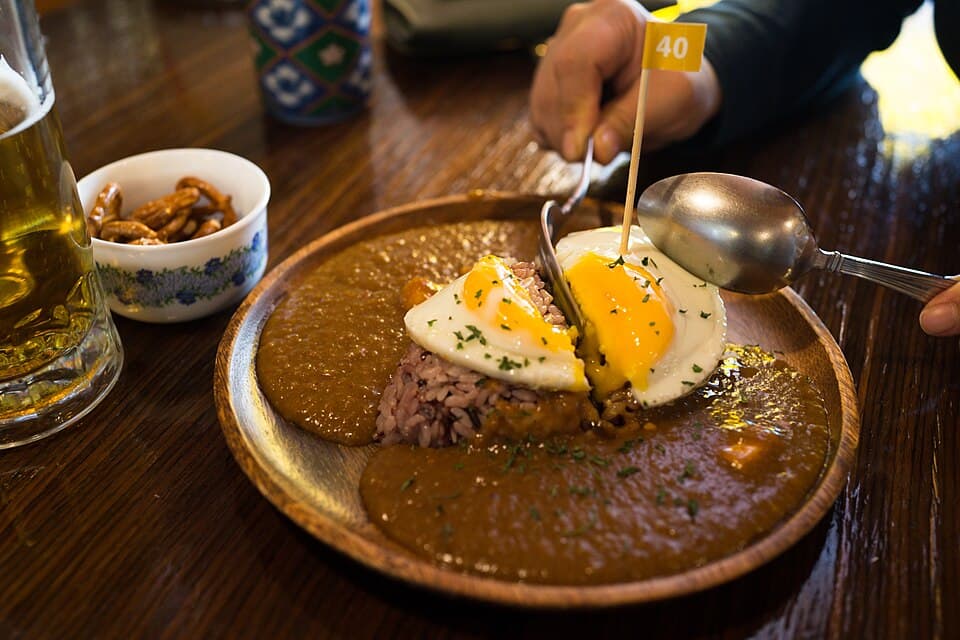
Japanese Curry
TraditionalA thick, gently spiced curry sauce served over rice, often with pork cutlet, beef, vegetables, or pickles. Tokyo curry shops make it a deeply personal lunch ritual.
Japanese curry was adapted from Western-style curry introduced through the British navy and became a home, school, and lunch-counter staple.
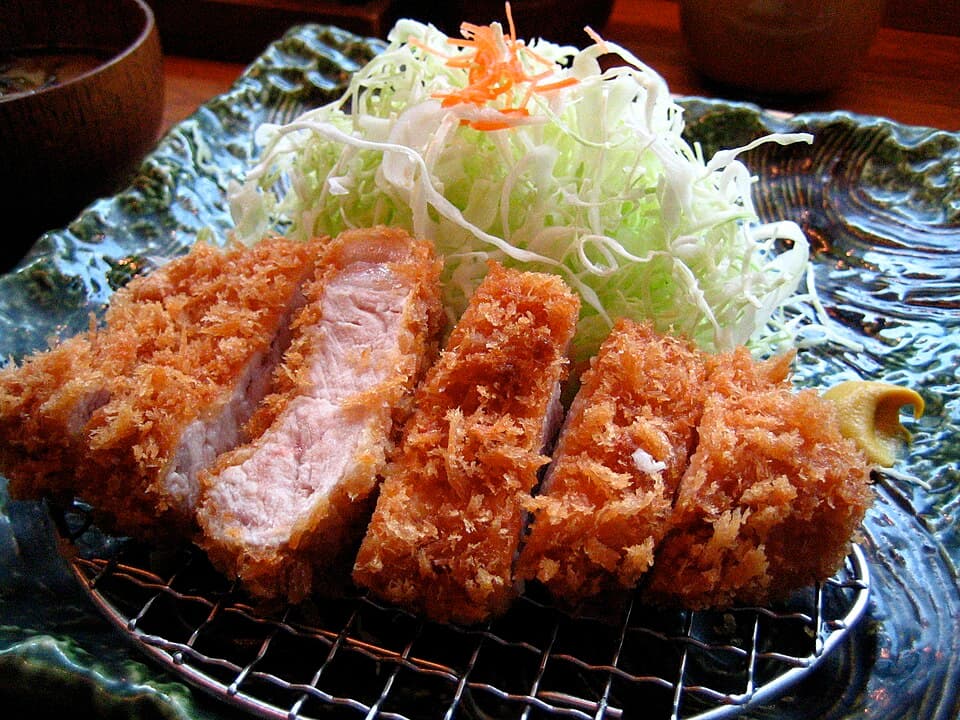
Tonkatsu
TraditionalA breaded pork cutlet fried until crisp, sliced thick, and served with shredded cabbage, rice, miso soup, and tangy sauce. It is yoshoku (Western-influenced Japanese) comfort food at its most satisfying.
Tonkatsu developed from Western-style cutlets and became a Japanese restaurant staple in the early 20th century.
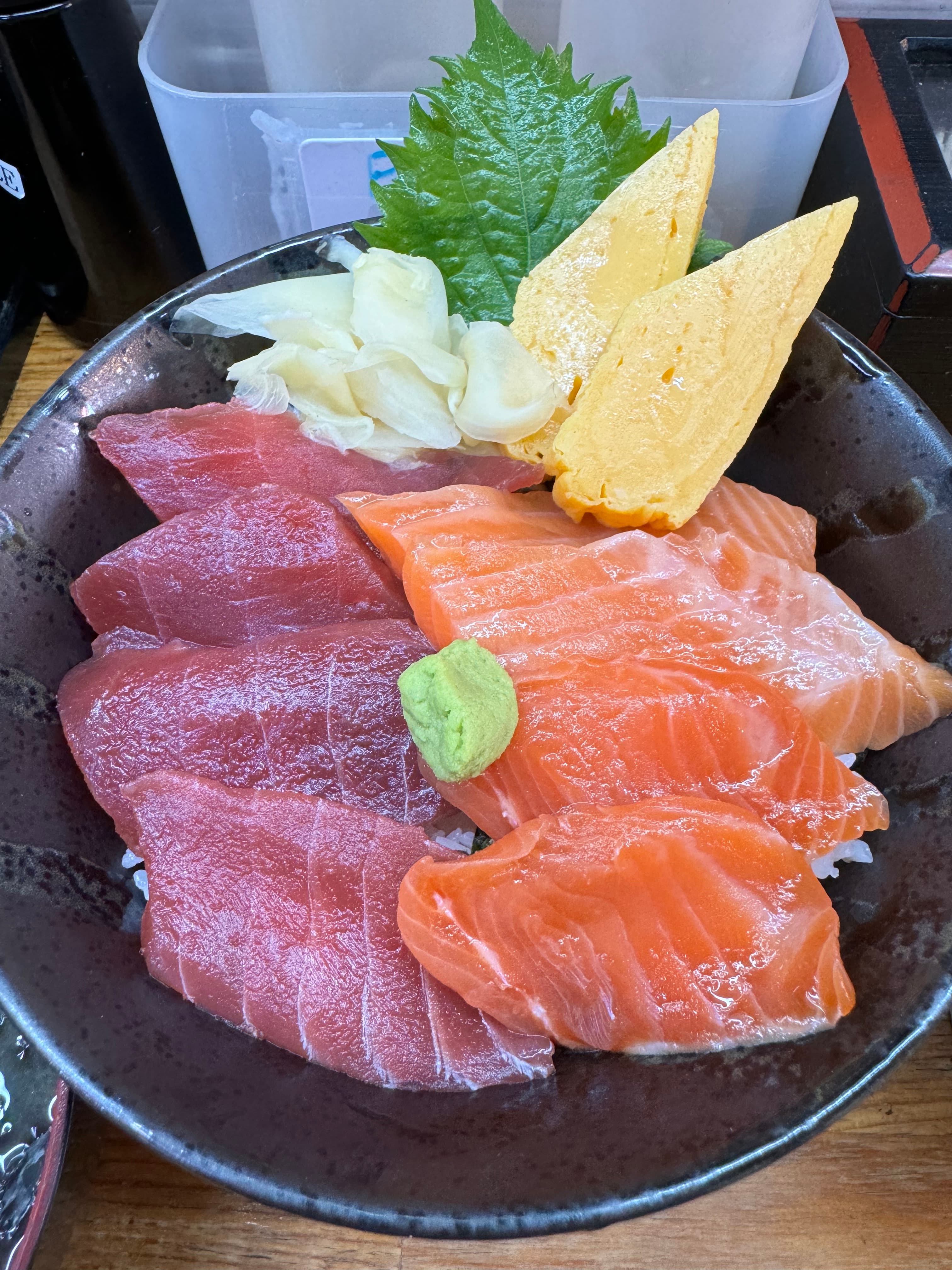
Kaisendon
TraditionalA rice bowl topped with fresh sashimi, seafood, roe, and seasonal garnishes. In Tokyo, it is especially tied to fish markets, seafood counters, and quick lunches that still feel generous.
Kaisendon reflects Tokyo's long relationship with seafood markets, where fresh fish moves quickly from auction counters to bowls of rice.
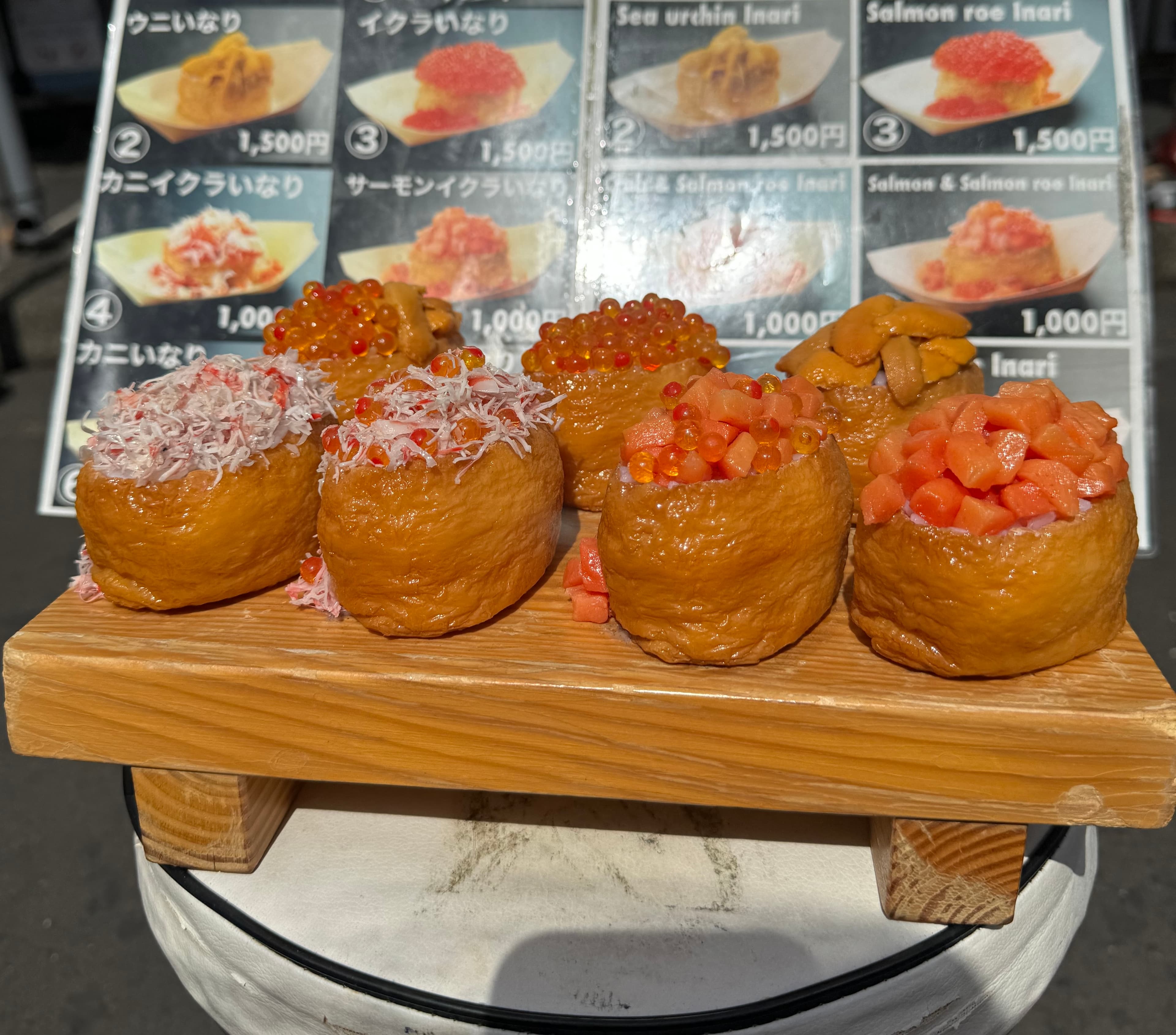
Inari Sushi
TraditionalSushi rice tucked into sweet-salty fried tofu pockets. Inari sushi is compact, portable, and often sold in markets, train stations, department-store food halls, and neighborhood shops.
Inari sushi is named for the Shinto deity Inari, whose fox messengers are traditionally associated with fried tofu.
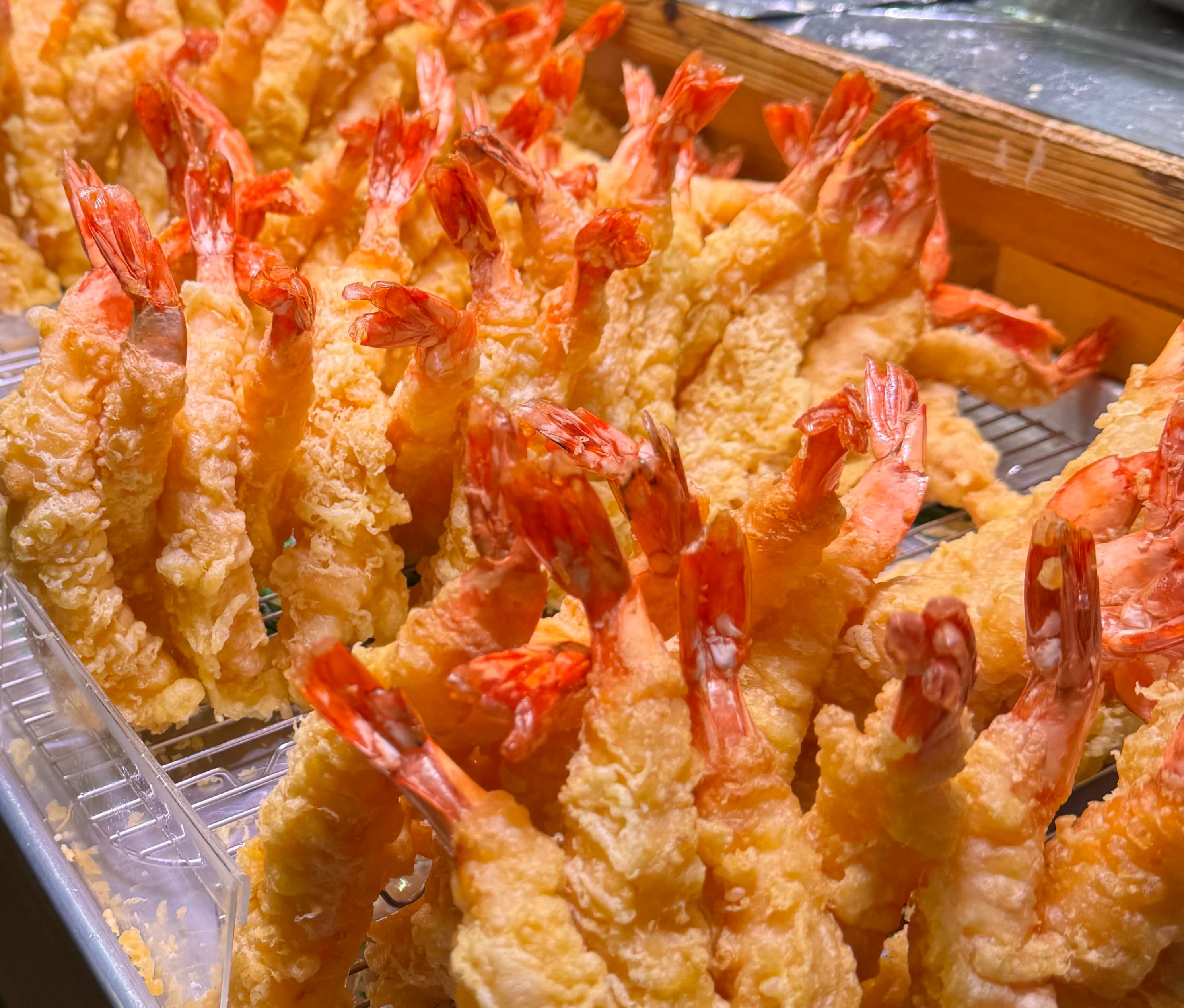
Tempura
TraditionalSeafood and vegetables fried in a light, crisp batter, served simply with dipping sauce, salt, or rice. In Tokyo it can be quick comfort food or a refined counter experience.
Tempura became part of Edo's fast-food culture alongside sushi and soba before evolving into one of Tokyo's most precise restaurant crafts.
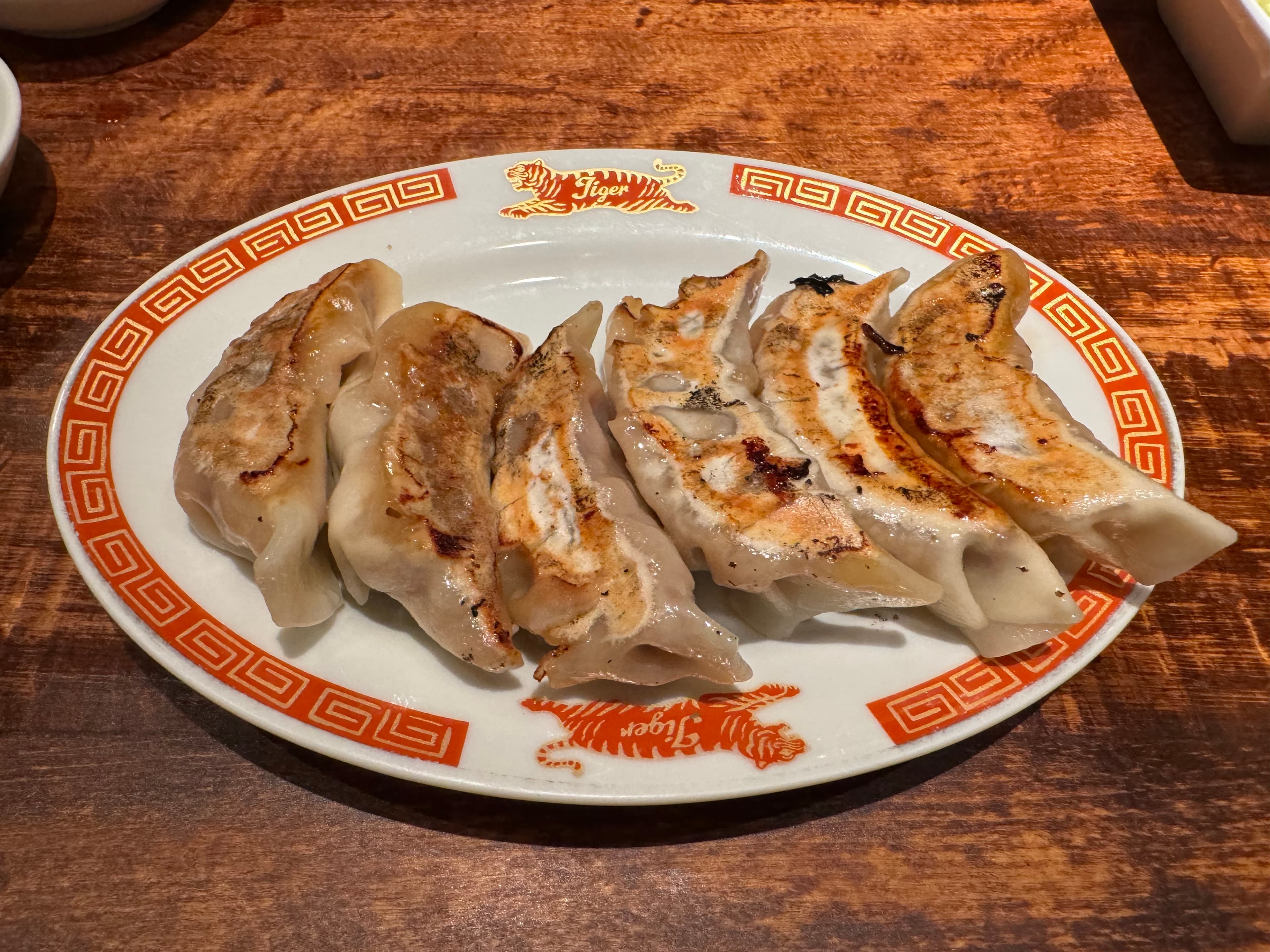
Gyoza
TraditionalJapanese dumplings filled with pork, cabbage, garlic, and ginger, usually pan-fried until crisp on one side. Tokyo ramen shops, izakaya, and specialty counters all have their own take.
Gyoza was adapted from Chinese jiaozi and became a postwar Japanese comfort food, especially popular alongside ramen.
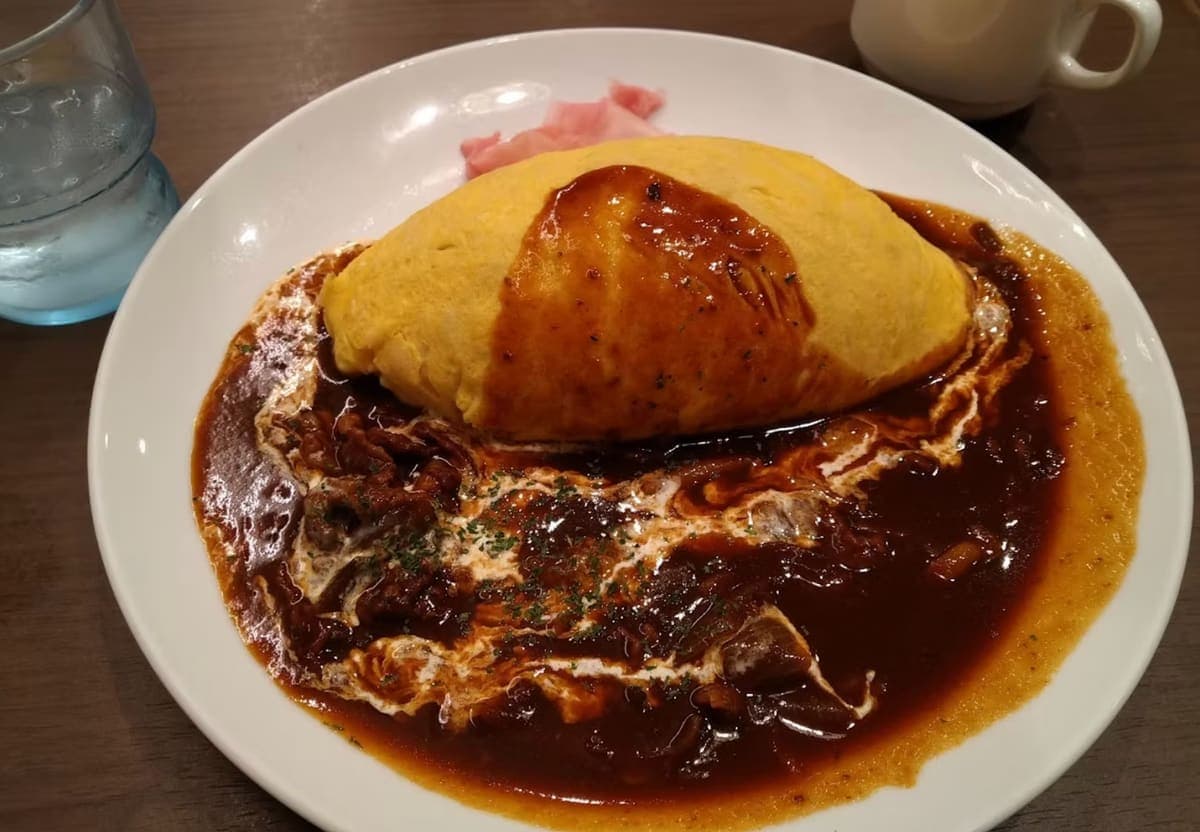
Omurice
TraditionalA soft omelet draped over ketchup-seasoned rice, often finished with demi-glace or tomato sauce. This yoshoku (Western-influenced Japanese) comfort food shows how Tokyo absorbed Western cooking and made it unmistakably Japanese.
Omurice is part of yoshoku (Western-influenced Japanese cooking), a home and restaurant style that became popular from the Meiji era onward.
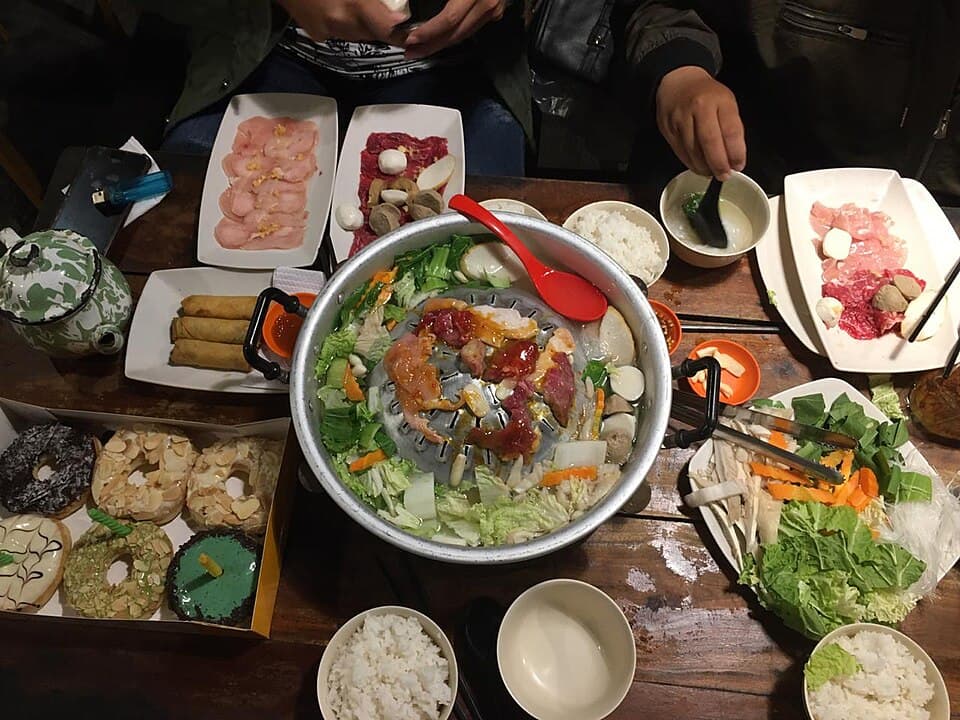
Shabu Shabu
TraditionalThin slices of beef or pork swished through hot broth, then dipped in ponzu (citrus soy sauce) or sesame sauce. Tokyo restaurants make it interactive, light, and social.
The name shabu shabu (swish-swish) imitates the sound of swishing thin meat through hot broth.
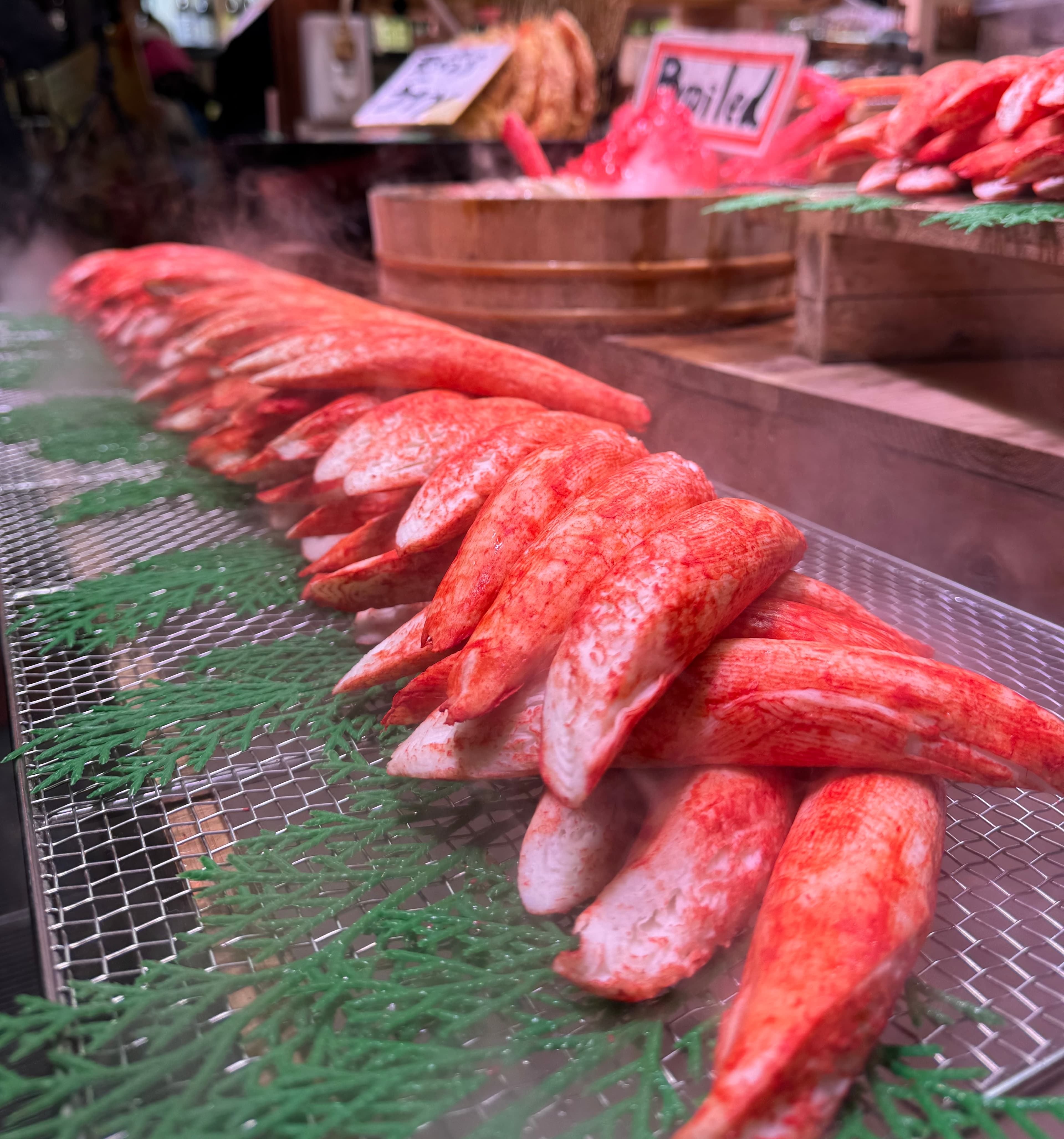
Crab Stick
TrendyA playful seafood snack made from surimi, often served warm, sauced, or dressed up for street-food-style eating. Tokyo turns even familiar convenience foods into craveable bites.
Surimi-based crab stick was developed in Japan and became one of the country's most widely exported seafood innovations.
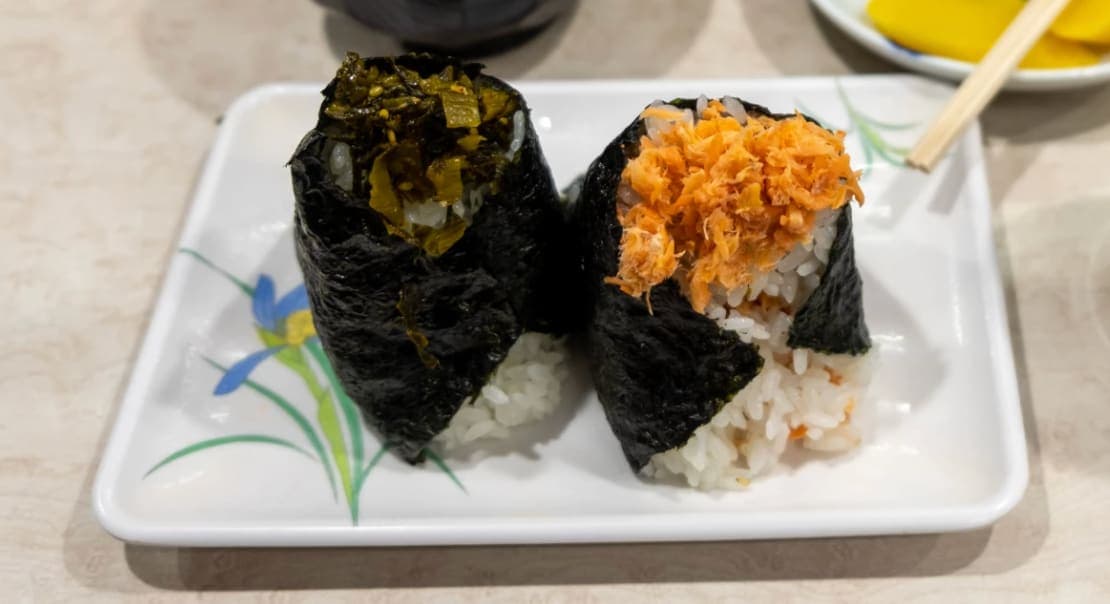
Onigiri
TraditionalHand-shaped rice balls filled with salmon, pickled plum, kombu (kelp), tuna mayo, or other savory fillings, often wrapped in crisp nori (seaweed). Tokyo has both convenience-store icons and serious specialty counters.
Onigiri has long been a portable Japanese meal, and Tokyo's modern specialty shops turn the everyday rice ball into a destination snack.
Yakitori
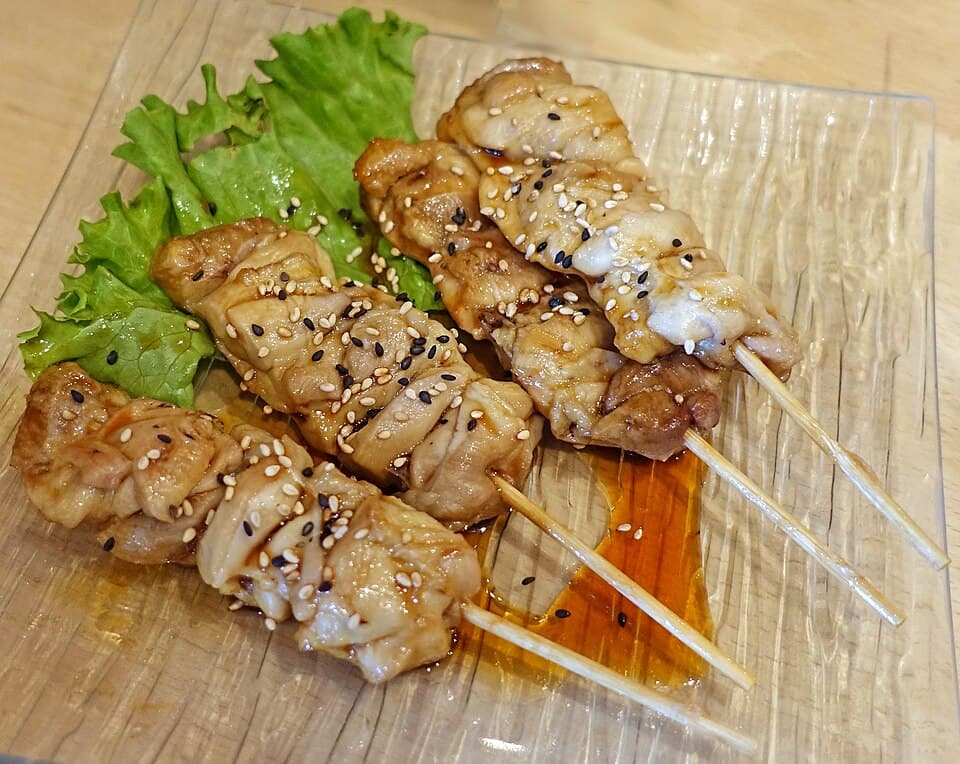
TraditionalChicken skewers grilled over charcoal and seasoned with salt or tare (seasoning sauce). Tokyo's yakitori (grilled chicken skewer) counters turn wings, thighs, meatballs, liver, and crisp skin into an after-work ritual.
Yakitori is closely tied to Tokyo's izakaya (Japanese pub) and alleyway drinking culture, where small grilled skewers pair naturally with beer or highballs.
Kakigori
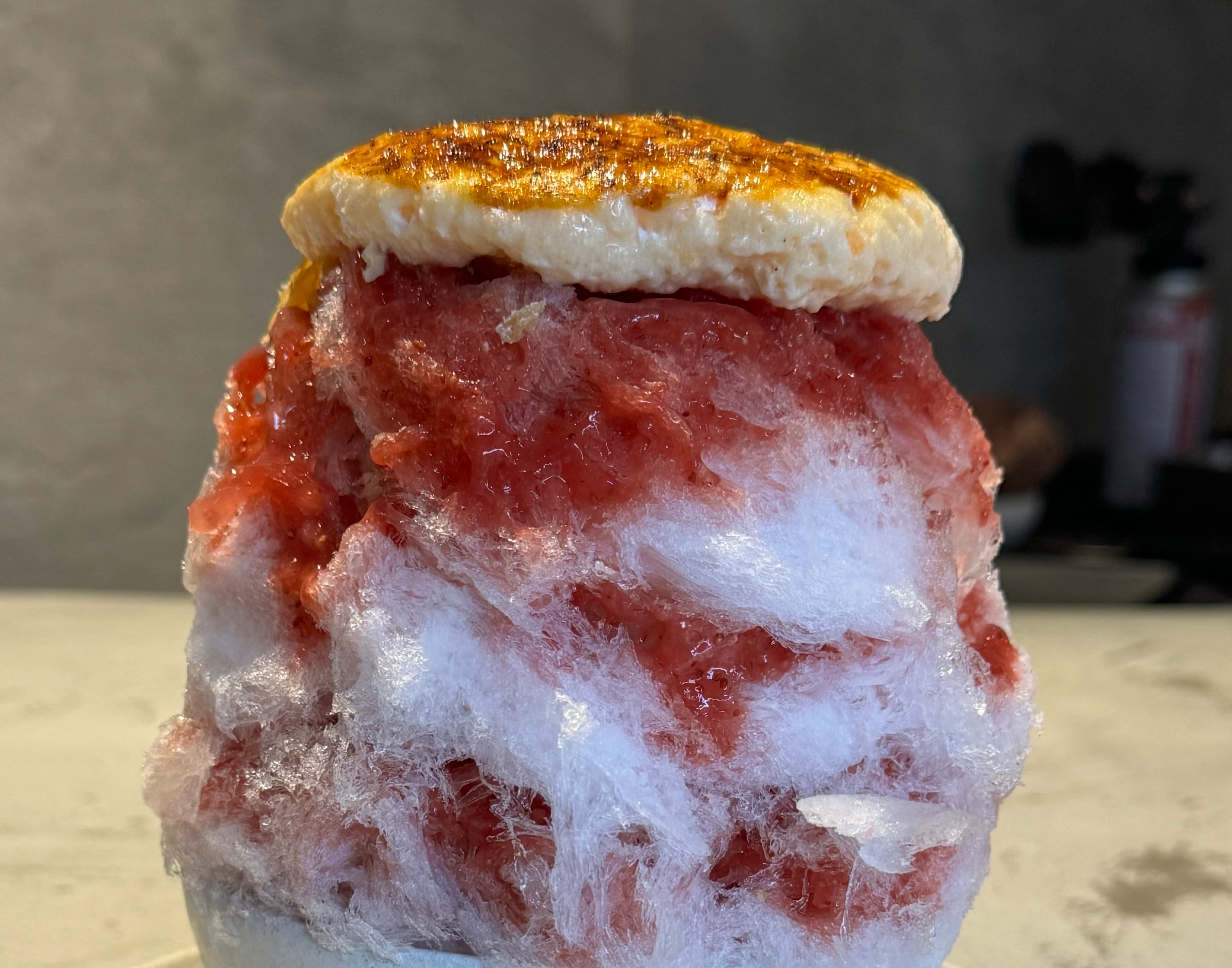
TraditionalFinely shaved ice piled high with syrup, fruit, condensed milk, matcha (powdered green tea), or seasonal toppings. In Tokyo, old-school summer stands and modern dessert shops both treat it like edible snow.
Shaved ice desserts in Japan date back centuries, but Tokyo's specialty shops have turned kakigori into a seasonal craft dessert.
Fruit Sando
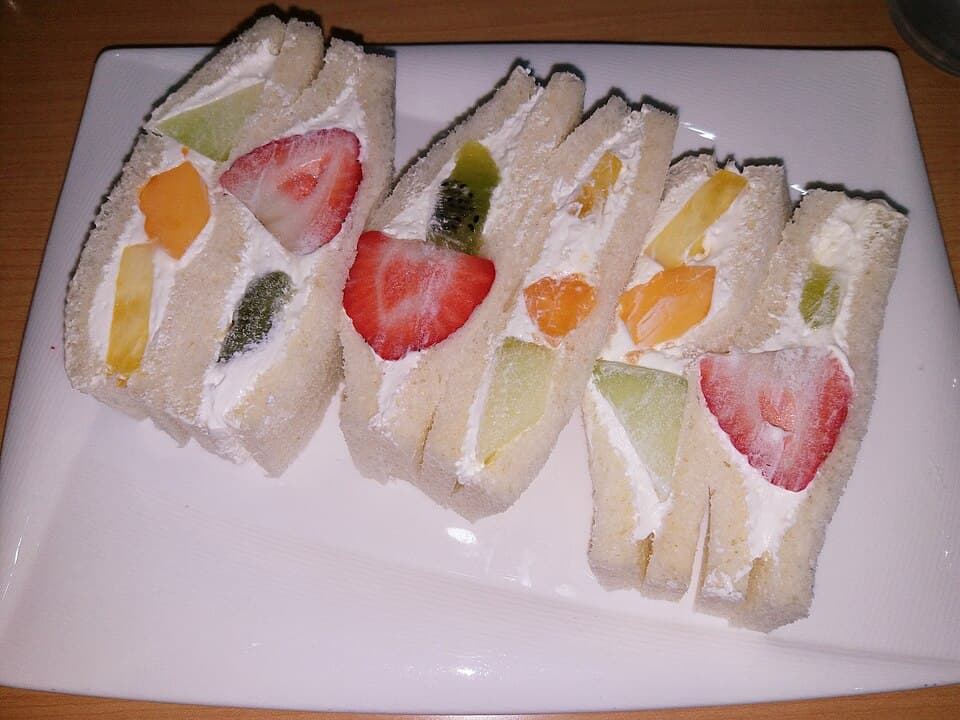
TrendySoft milk bread filled with whipped cream and jewel-like slices of strawberry, kiwi, mango, or melon. It is part dessert, part cafe snack, and perfectly built for Tokyo's display cases.
Fruit sando combines Japan's soft shokupan (milk bread) with the country's gift-worthy premium fruit culture, making it a modern cafe and department-store favorite.
Souffle Pancakes
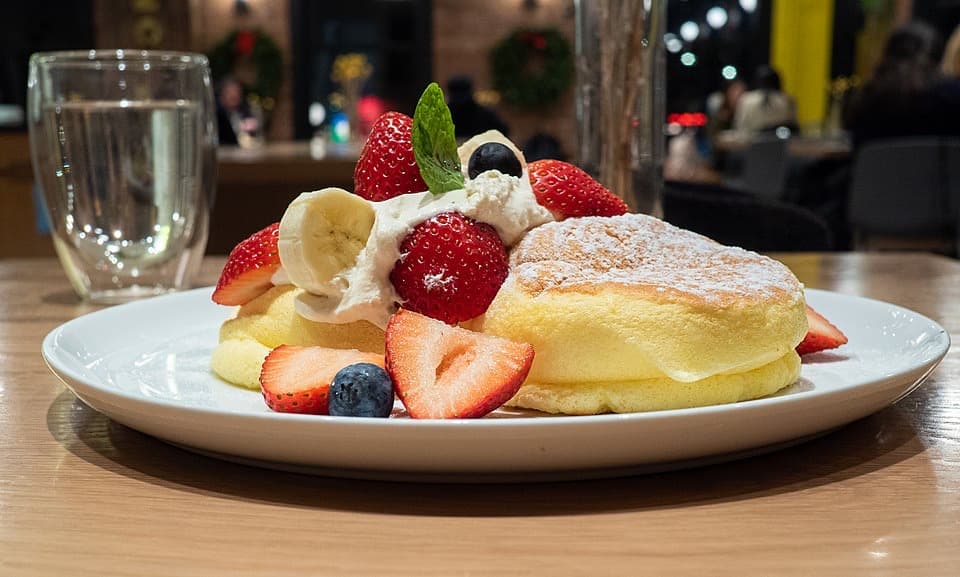
TrendyTall, airy pancakes with a custardy wobble, usually served with cream, fruit, syrup, or seasonal toppings. They are a Tokyo cafe staple for travelers chasing something sweet and photogenic.
Tokyo's souffle pancake boom turned a breakfast dish into a dessert-cafe ritual, with shops often cooking each order slowly so the pancakes stay tall and airy.
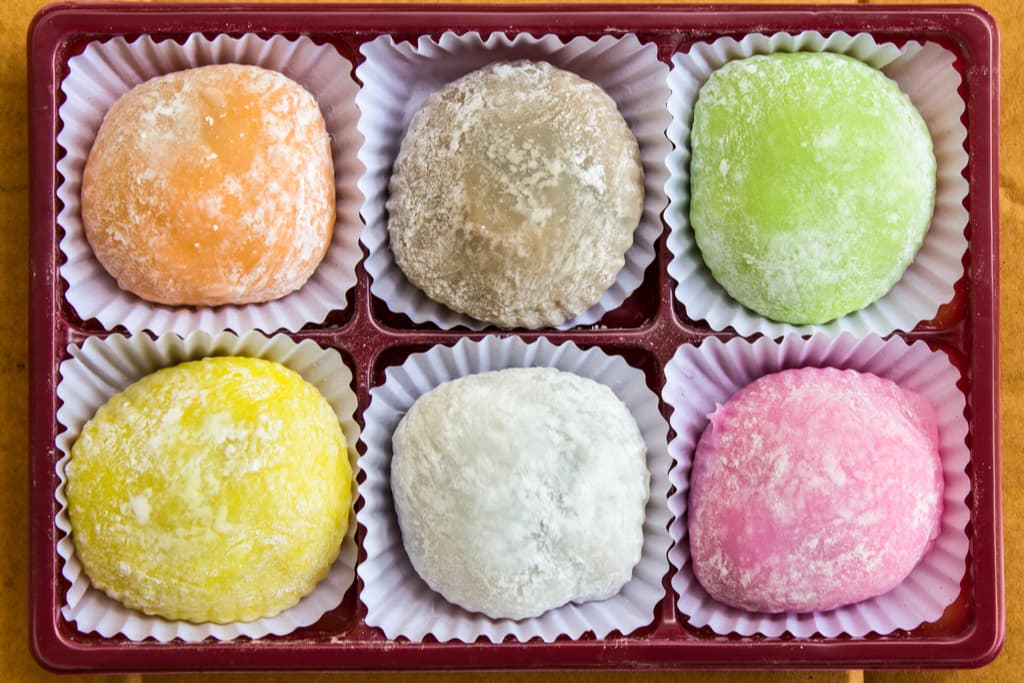
Mochi
TraditionalChewy rice cakes made from pounded glutinous rice, served plain, grilled, filled, or wrapped around sweet red bean paste. Tokyo shops range from humble neighborhood counters to polished wagashi (traditional Japanese sweet) specialists.
Mochi is tied to Japanese New Year traditions, but Tokyo sweet shops sell many seasonal versions year-round.
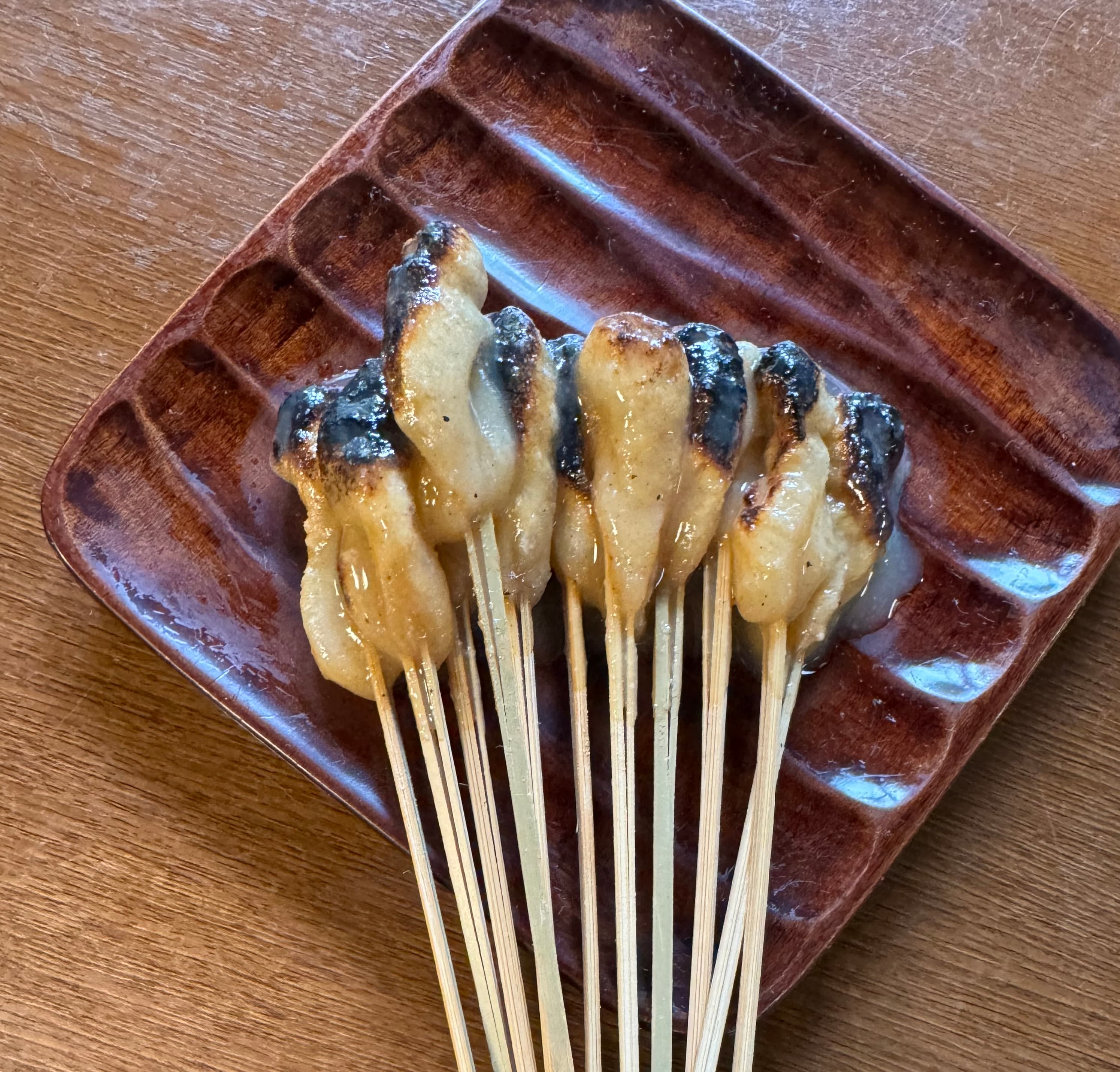
Aburi Mochi
TraditionalSkewered mochi grilled over heat until lightly blistered, then brushed with a sweet-savory glaze. It is chewy, smoky, and especially comforting as a temple or market snack.
Aburi mochi is strongly associated with shrine and temple sweets, where grilled rice cakes are served as small ritual-adjacent treats.
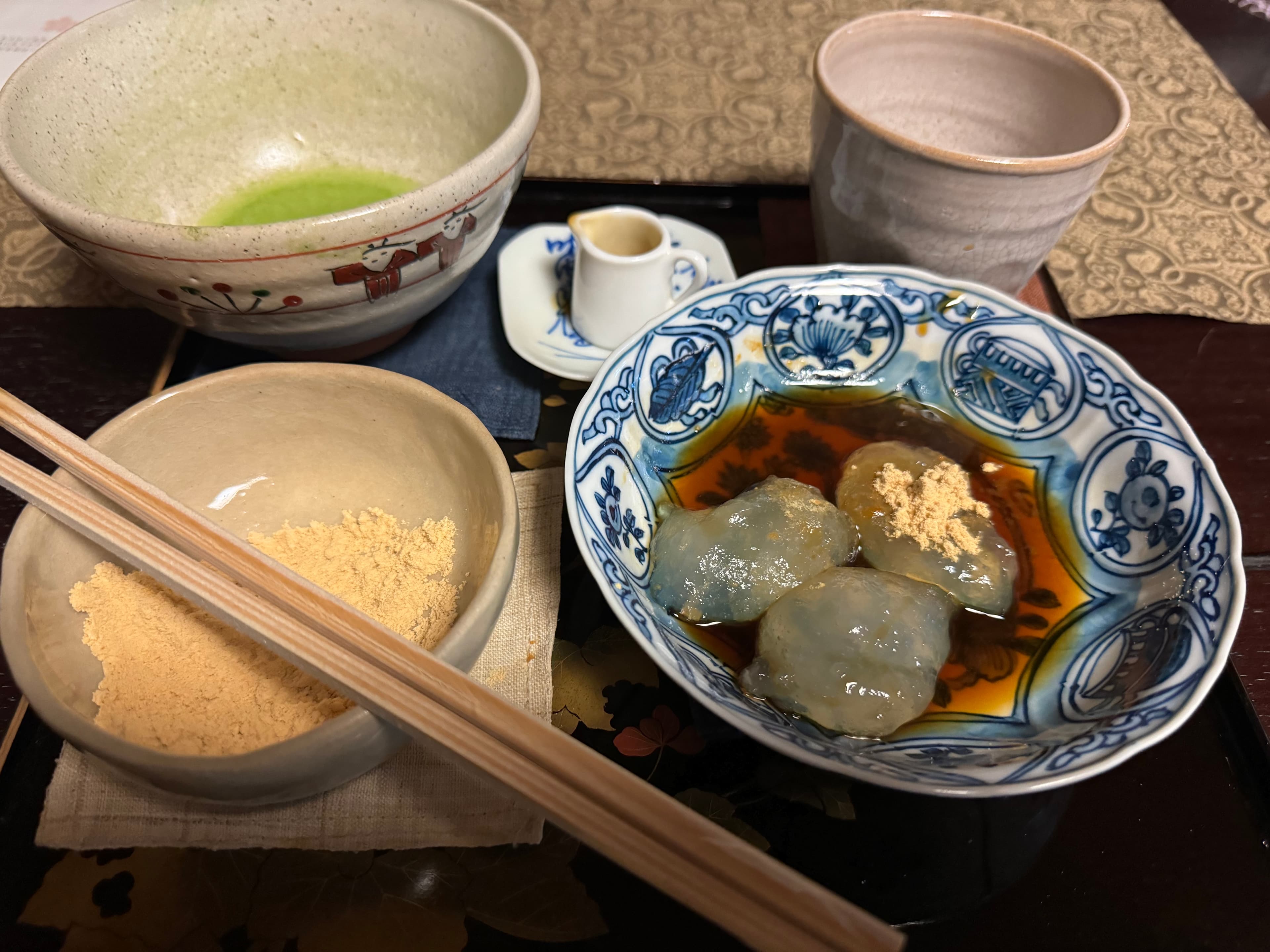
Kuzu Mochi
TraditionalA chilled, jelly-like Japanese sweet served with kinako (roasted soybean flour) and kuromitsu (brown sugar syrup). It is refreshing, subtle, and rooted in old Tokyo sweet-shop culture.
Tokyo-style kuzu mochi is often made from fermented wheat starch, making it distinct from the arrowroot-based versions found elsewhere.
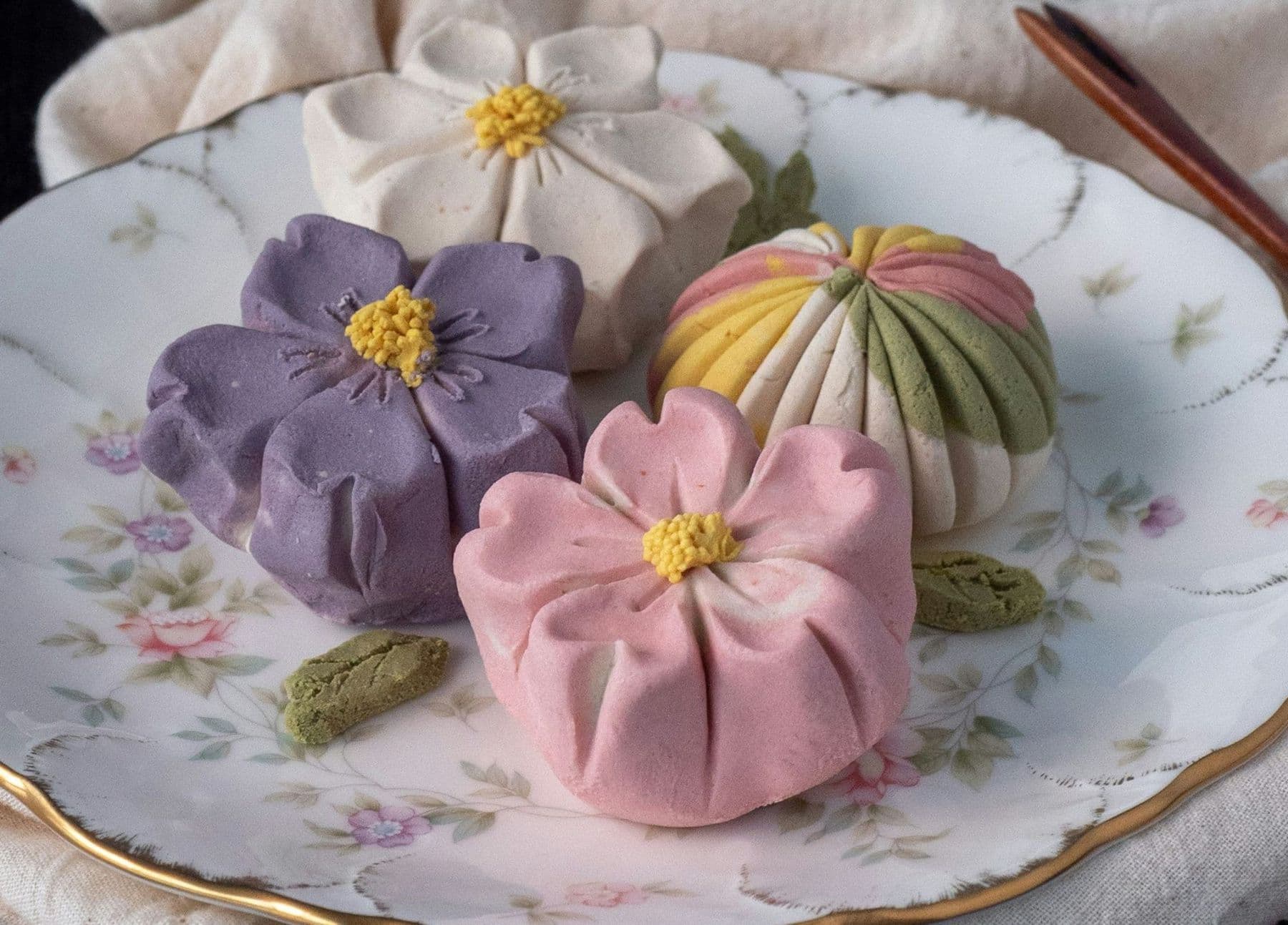
Wagashi
TraditionalTraditional Japanese sweets shaped by the seasons, often made with rice flour, red bean, agar, chestnut, or delicate sugar work. Tokyo tea salons and wagashi (traditional Japanese sweet) shops make them feel ceremonial.
Wagashi (traditional Japanese sweets) is closely tied to tea ceremony aesthetics, with shapes and colors often reflecting the current season.
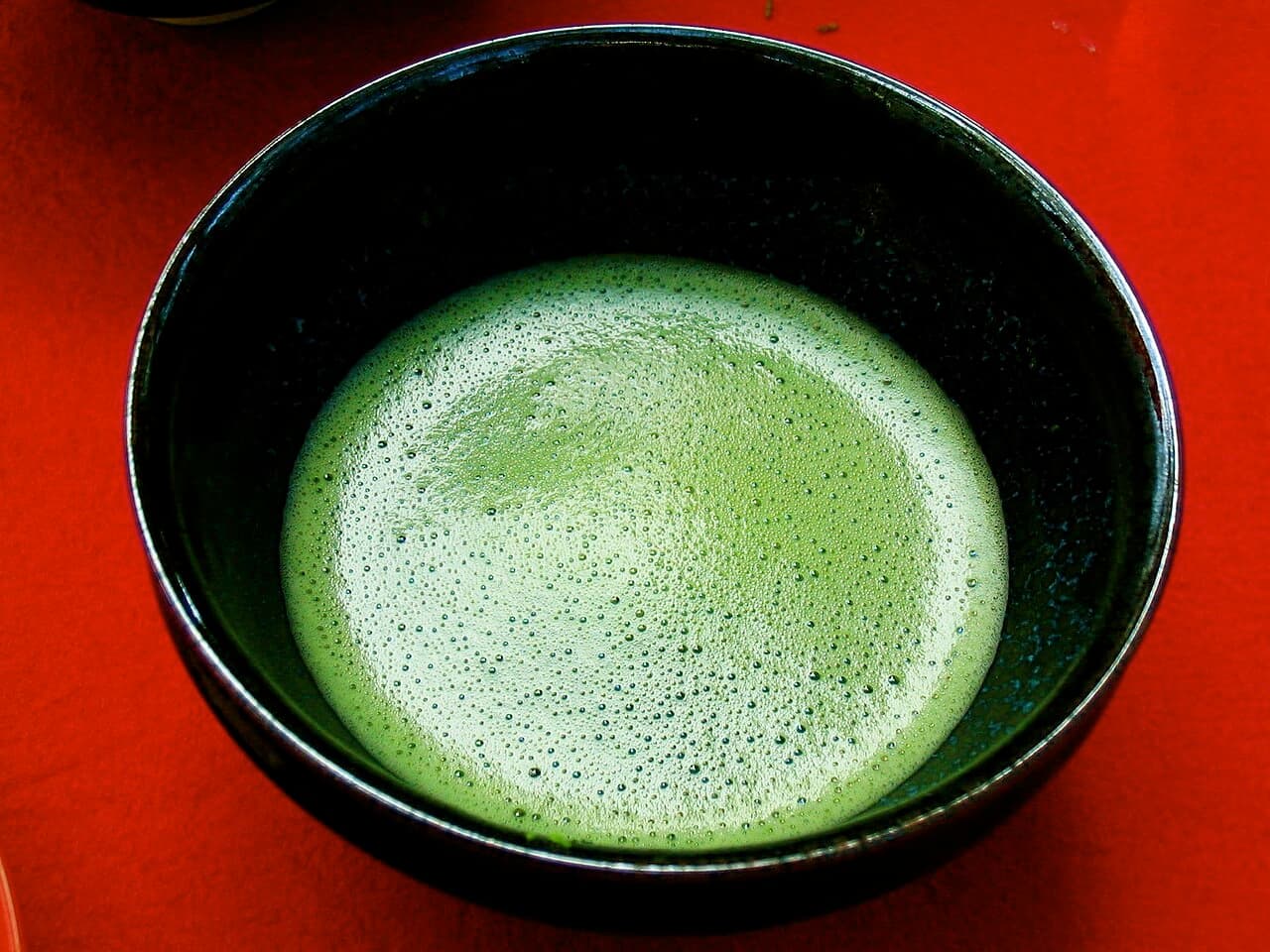
Matcha
TraditionalFinely ground green tea served traditionally as a whisked drink or worked into sweets, parfaits, lattes, and soft serve. Tokyo spans both quiet tea rooms and trend-forward matcha (powdered green tea) cafes.
Matcha (powdered green tea) is central to Japanese tea ceremony, but Tokyo also treats it as a modern dessert and cafe flavor.
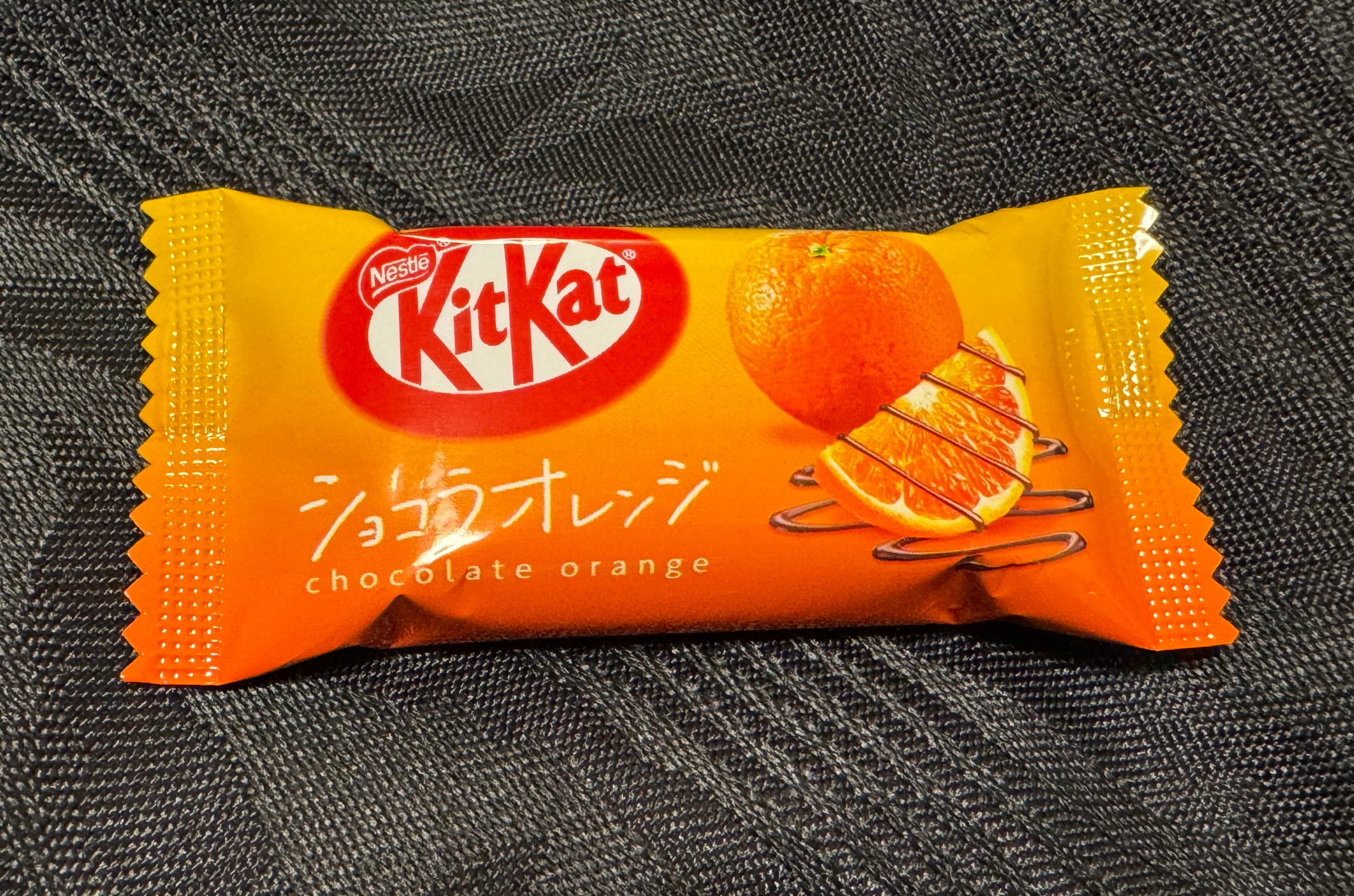
KitKat
TrendyJapan's famously collectible KitKats come in regional and seasonal flavors, from matcha to sake to fruit-inspired editions. Tokyo shops turn the candy aisle into a souvenir hunt.
KitKat became especially popular in Japan partly because its name sounds like kitto katsu, a phrase associated with wishing someone good luck.
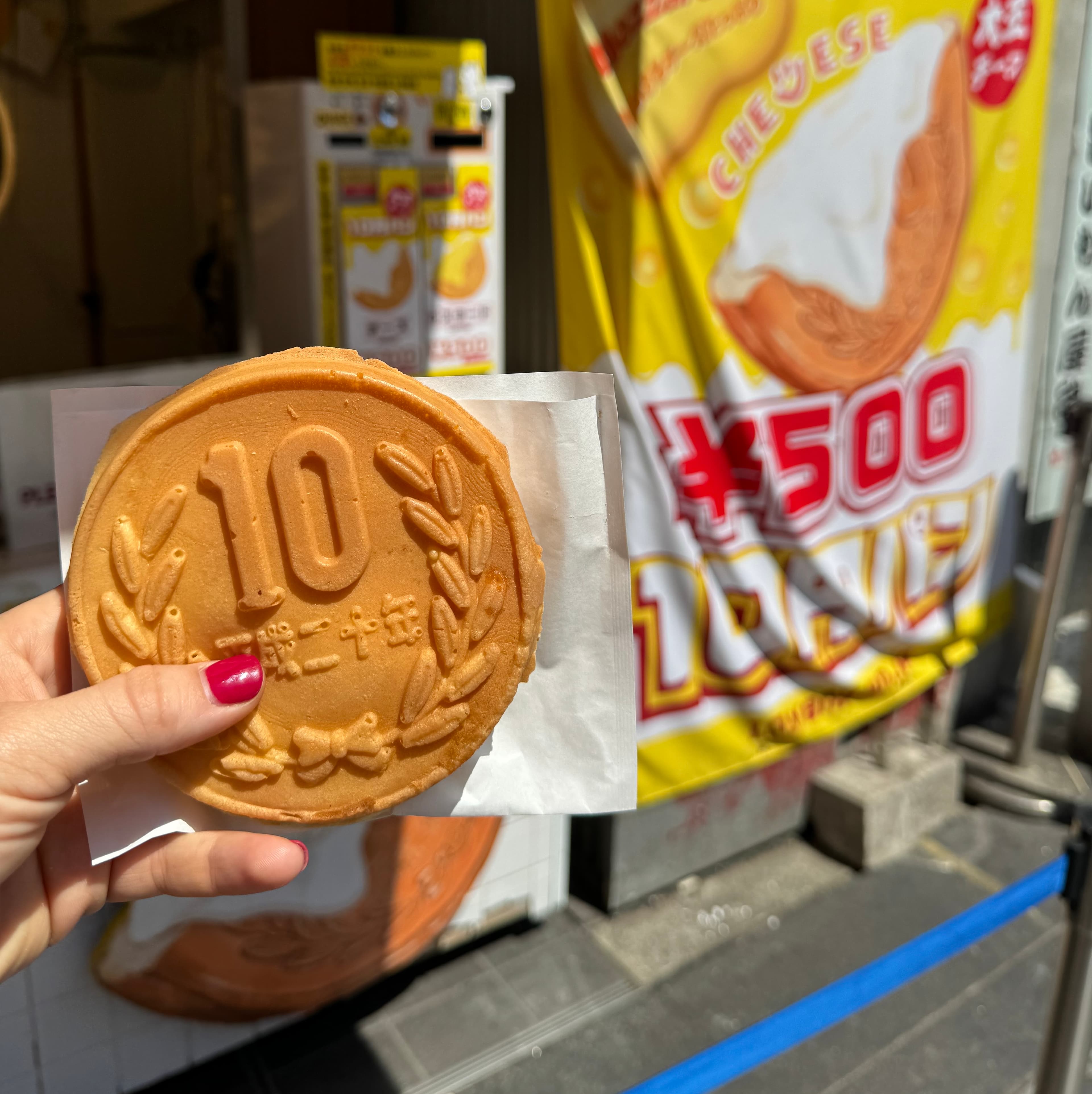
Cheese Coin
TrendyA round, coin-shaped street snack filled with stretchy cheese, usually sold warm from busy snack counters. It is part of Tokyo's newer wave of playful, viral food trends.
Cheese coin snacks are part of a broader East Asian street-food trend, with Tokyo shops adapting the format for high-foot-traffic shopping districts.
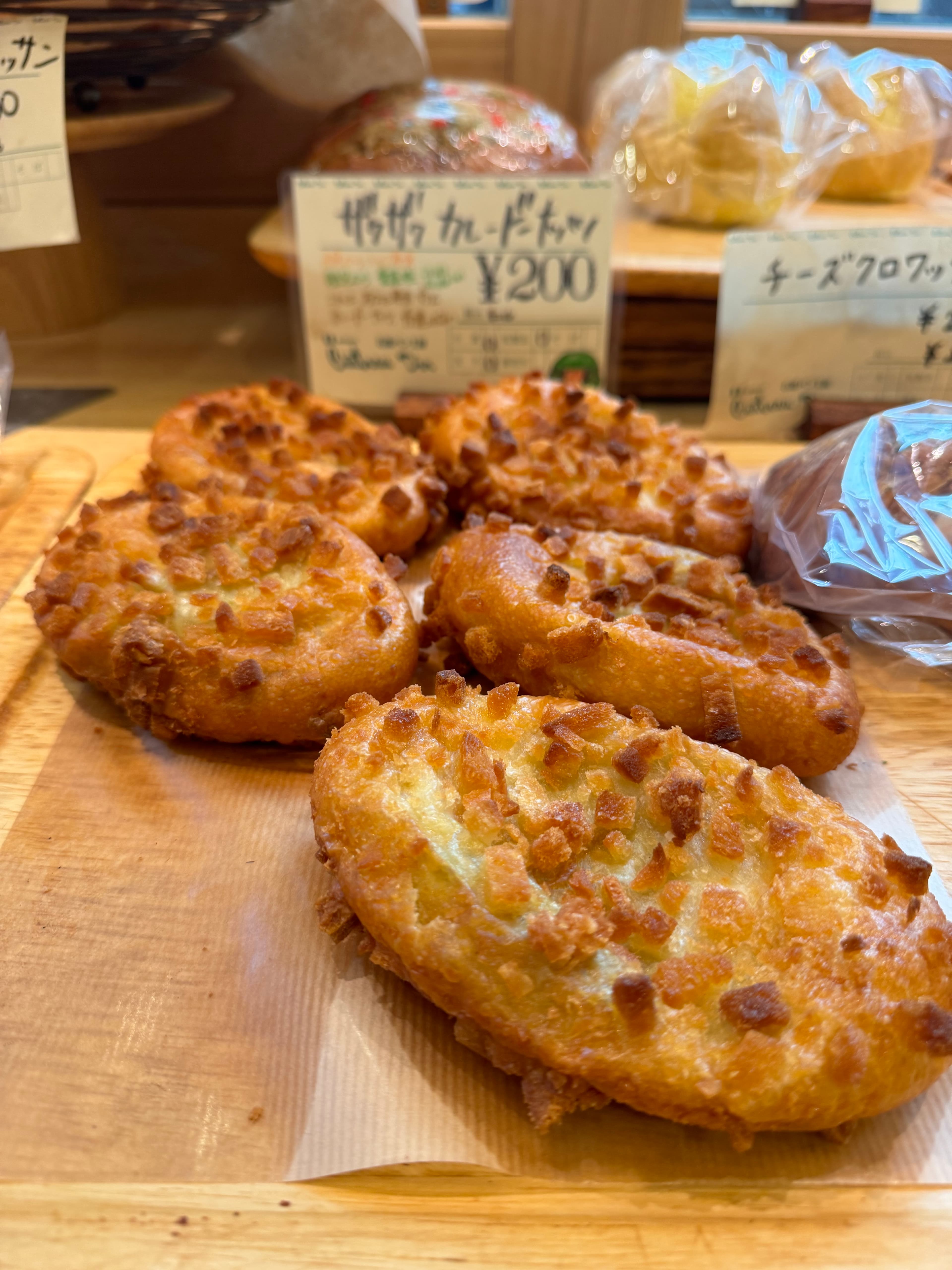
Curry Buns
TrendyCrisp or fluffy buns filled with Japanese curry, often sold warm from bakeries, convenience stores, and snack counters. They are savory, portable, and deeply satisfying.
Kare pan, or curry bread, grew from Japan's love of yoshoku (Western-influenced Japanese cooking) and bakery culture.
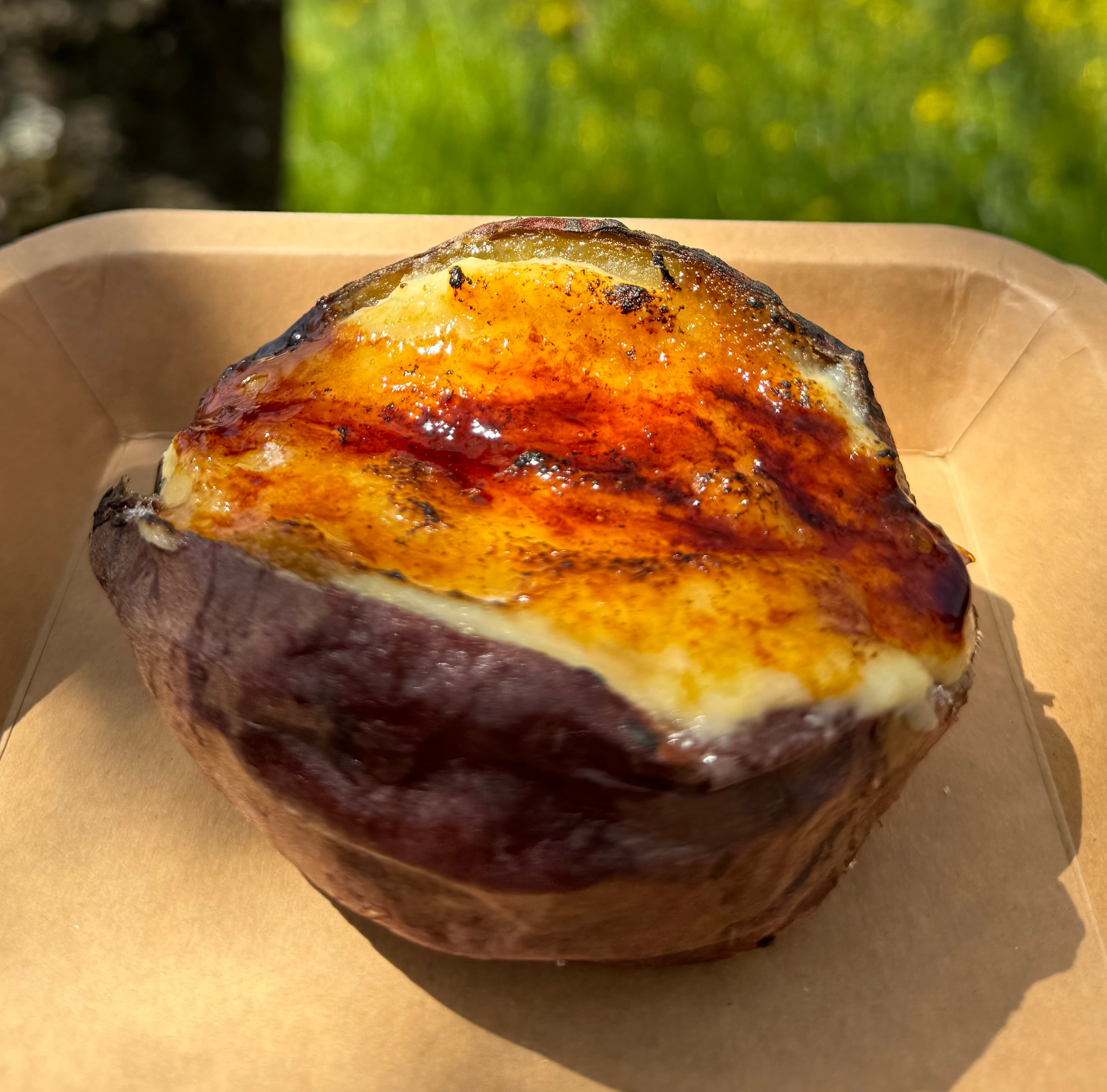
A roasted sweet potato finished with a caramelized sugar top, giving a humble Japanese comfort snack a glossy dessert-shop twist.
Japanese sweet potatoes are already dessert-like when roasted, which makes them an ideal base for Tokyo's playful cafe-style toppings.